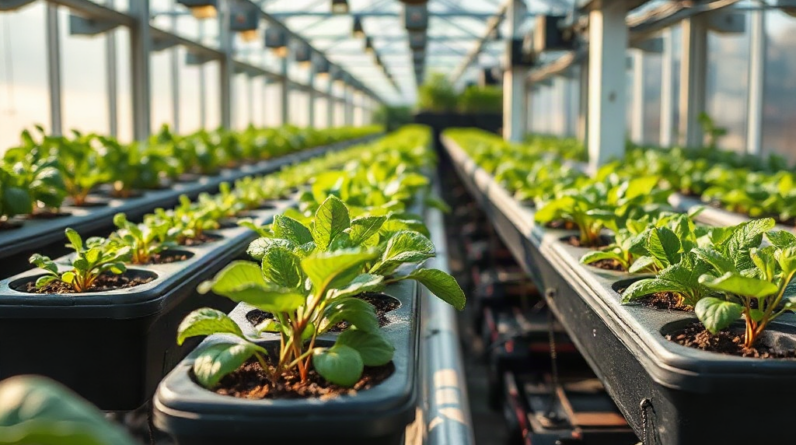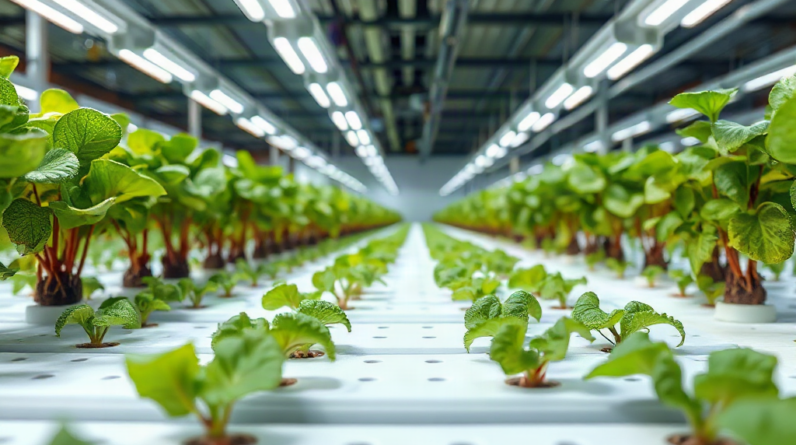
To select hydroponic grow lights effectively, consider the specific needs of your plants, including their light spectrum and intensity requirements. LED lights are often recommended for their energy efficiency and low heat output, making them ideal for smaller spaces. In contrast, High-Pressure Sodium (HPS) lights deliver intense light that benefits flowering plants but can produce excess heat, necessitating careful temperature management. Additionally, understanding the light spectrum is essential; blue light promotes vegetative growth while red light supports flowering. By aligning your light choice with your plants' growth stages, you can enhance their health and yield significantly.
Types of Hydroponic Grow Lights
When selecting hydroponic grow lights, it’s crucial to understand the different types available. The primary options include LED, High-Pressure Sodium (HPS), Metal Halide (MH), and fluorescent lights. Each type has unique characteristics that impact growth.
LED lights are favored for their energy efficiency and lower heat output, making them suitable for small spaces. HPS lights provide intense light that promotes flowering but can generate excess heat. MH lights emit a blue spectrum, ideal for vegetative growth, while fluorescent lights are best for seedlings and low-light plants. Choosing the right type will depend on your specific plant needs and growing environment.
Understanding Light Spectrum
The spectrum of light is vital for plant growth, as it influences photosynthesis. Plants primarily utilize blue (400-500 nm) and red (600-700 nm) wavelengths. Blue light promotes vegetative growth, while red light encourages flowering and fruiting.
Full-spectrum lights mimic natural sunlight and provide a balance of wavelengths for all growth stages. When selecting lights, consider those that offer a spectrum tailored to your plants’ developmental needs. Misunderstanding light spectrum can lead to poor growth and yield, so prioritize lights that cater to the specific phases of plant life.
Light Intensity and Placement
Light intensity is another critical factor in selecting hydroponic grow lights. Different plants require varying light intensities; for instance, leafy greens thrive in low to moderate light, while fruiting plants need higher intensity. Measuring light intensity in lumens or PAR (Photosynthetically Active Radiation) helps in making informed decisions.
Placement of the lights also affects light distribution. Generally, lights should be positioned 12-24 inches above the plants, depending on the type of light and plant variety. Proper placement ensures uniform light exposure, preventing issues like leggy growth or leaf burn.
Energy Efficiency and Cost Considerations
Energy efficiency is a significant consideration when selecting hydroponic grow lights. LED lights, while initially more expensive, consume less energy and have a longer lifespan compared to HPS or MH lights. This can lead to substantial savings over time.
Additionally, consider the heat output of the lights. Excessive heat can raise cooling costs and affect the growing environment. Choosing energy-efficient lights not only reduces operational costs but also creates a more stable climate for plant growth.
Frequently Asked Questions
What are the best grow lights for hydroponics?
LED grow lights are often considered the best due to their energy efficiency, low heat output, and full-spectrum options that cater to all plant stages.
How far should grow lights be from plants?
Grow lights should generally be placed 12-24 inches above the plants, but the exact distance may vary based on the light type and plant species.
How do I know if my plants are getting enough light?
Signs of insufficient light include leggy growth, pale leaves, and slow development. Adjusting light intensity or duration supports conditions.
Can I use regular light bulbs for hydroponics?
Regular light bulbs are not ideal for hydroponics as they do not provide the specific light spectrum needed for plant growth. Specialized grow lights are recommended.
What is the lifespan of hydroponic grow lights?
The lifespan varies by type: LED lights can last up to 50,000 hours, while HPS and MH lights typically last around 10,000 hours.
Further Reading
Authoritative Sources
- USDA National Institute of Food and Agriculture
nifa.usda.govResearch and extension resources related to agriculture, plants, soil, and food systems
- Extension Foundation Gardening Resources
extension.orgUniversity extension education resources for practical gardening and home agriculture topics
- USDA Natural Resources Conservation Service
nrcs.usda.govSoil, water, conservation, and land management resources for practical growing decisions
Conclusion
Selecting the right hydroponic grow lights is essential for maximizing plant growth and yield. Focus on the type of light, its spectrum, intensity, and energy efficiency to make informed decisions. Understanding your plants’ specific needs and the growing environment will guide you in choosing the best lighting solution for your hydroponic system.