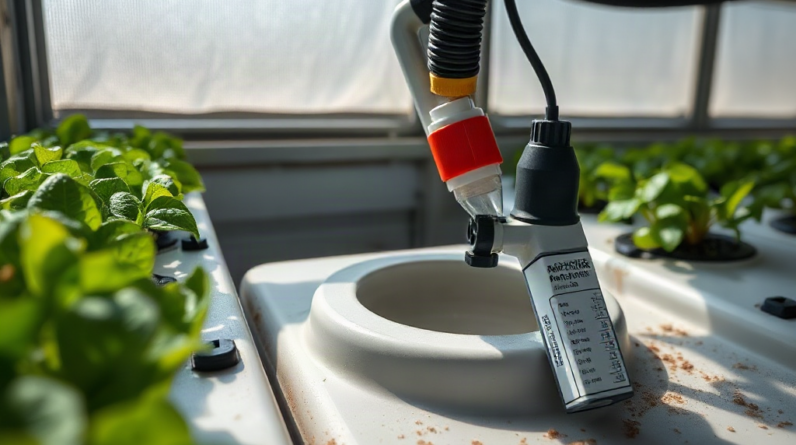
To test nutrient solution for hydroponics, utilize a pH meter and an EC meter to accurately measure the solution's pH and nutrient concentration. Maintaining a pH between 5.5 and 6.5 is critical, as deviations can hinder nutrient absorption, leading to deficiencies. Additionally, monitor the electrical conductivity (EC) to ensure the nutrient strength is appropriate for your plants. A higher EC indicates a stronger nutrient solution, while a lower EC suggests dilution. Regular testing and adjustments will help prevent nutrient imbalances, promoting healthier plant growth and maximizing yields.
Understanding Nutrient Solutions
A nutrient solution is a mixture of water and essential minerals that provides plants with the necessary nutrients for growth in hydroponic systems. These solutions deliver macronutrients like nitrogen, phosphorus, and potassium, as well as micronutrients such as iron and magnesium. Understanding the composition of your nutrient solution is crucial, as it directly affects plant health and productivity. Improper nutrient balance can lead to deficiencies or toxicities, hindering growth and reducing yields.
The way nutrients are absorbed by plants in hydroponics differs from traditional soil gardening. In hydroponics, plants rely solely on the nutrient solution, making it vital to monitor and adjust the solution’s composition regularly. This ensures that plants receive optimal nutrition, leading to robust growth and increased yields.
Importance of pH and EC Testing
Regularly testing the pH and electrical conductivity (EC) of your nutrient solution is essential for successful hydroponic gardening. The pH level indicates the acidity or alkalinity of the solution, which affects nutrient availability. Most plants thrive in a pH range of 5.5 to 6.5. If the pH strays outside this range, certain nutrients may become less accessible, leading to deficiencies.
Electrical conductivity measures the concentration of dissolved salts in the solution, which reflects the nutrient strength. A higher EC indicates a stronger nutrient solution, while a lower EC suggests a diluted solution. Maintaining the correct EC levels is crucial for ensuring that plants receive the right amount of nutrients without over-fertilization, which can lead to nutrient burn or other growth issues.
Testing Procedures and Equipment
To effectively test your nutrient solution, you will need a few essential tools: a pH meter and an EC meter. Here’s how to use them:
- pH Meter: Calibrate the pH meter according to the manufacturer’s instructions using standard calibration solutions. Submerge the electrode in the nutrient solution and read the pH value. Adjust the pH if necessary using pH up or down solutions.
- EC Meter: Rinse the EC meter’s probe with distilled water to avoid contamination. Immerse the probe in the nutrient solution and wait for the reading to stabilize. Compare the EC value to the recommended range for your specific plants, adjusting the nutrient concentration as needed.
It’s advisable to test the nutrient solution at least once a week, or more frequently during periods of rapid plant growth. Keeping a log of your readings can help you track changes over time and make informed adjustments.
Common Mistakes in Testing
One common mistake in testing nutrient solutions is neglecting to calibrate your meters regularly. A poorly calibrated meter can give inaccurate readings, leading to improper adjustments in pH and nutrient concentration. Ensure that you follow calibration procedures as recommended by the manufacturer.
Another mistake is failing to account for temperature variations. Both pH and EC readings can be affected by temperature fluctuations, so it’s important to measure and adjust your solutions at a consistent temperature, ideally around 20°C (68°F). Additionally, using the wrong type of water for diluting nutrients, such as tap water with high mineral content, can skew your results. Always use distilled or reverse osmosis water for the best accuracy.
Frequently Asked Questions
What is the ideal pH range for hydroponic nutrient solutions?
The ideal pH range for hydroponic nutrient solutions is typically between 5.5 and 6.5, which allows for optimal nutrient availability.
How often should I test my nutrient solution?
It is recommended to test your nutrient solution at least once a week, or more frequently during periods of rapid growth.
What happens if the pH is too high?
If the pH is too high, certain nutrients become less available to plants, which can lead to deficiencies and poor growth.
Can I use tap water for my nutrient solution?
Using tap water can introduce unwanted minerals and chemicals that may affect your nutrient solution. It's best to use distilled or reverse osmosis water.
What is electrical conductivity (EC) and why is it important?
Electrical conductivity measures the concentration of dissolved salts in your nutrient solution, indicating nutrient strength. It's important for ensuring plants receive adequate nutrients without over-fertilization.
Further Reading
Authoritative Sources
- Hydroponics World
hydroponicsworld.comA comprehensive resource for hydroponic gardening techniques and nutrient management
- I Hydroponics
ihydroponics.comThis site provides insights and guidance on nutrient solutions and hydroponic systems
Conclusion
Testing the nutrient solution is a fundamental aspect of successful hydroponic gardening. Regularly monitoring pH and EC levels ensures that plants receive the right balance of nutrients for optimal growth. By using the appropriate tools and following best practices, you can avoid common pitfalls and enhance your plants’ health and productivity. Stay proactive with your testing and adjustments to maximize the benefits of your hydroponic system.