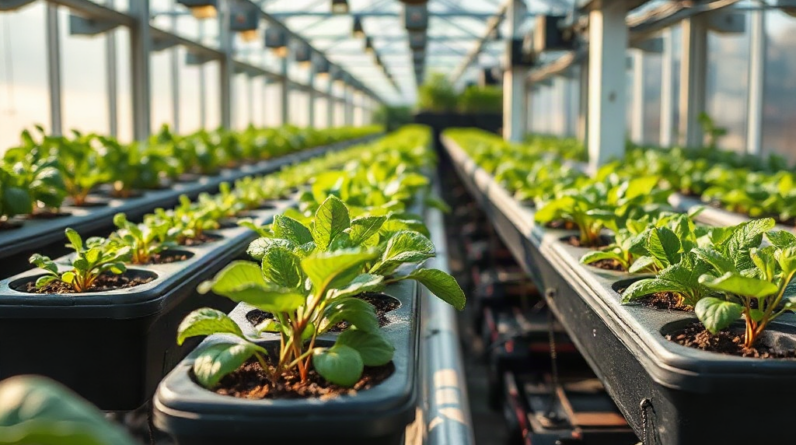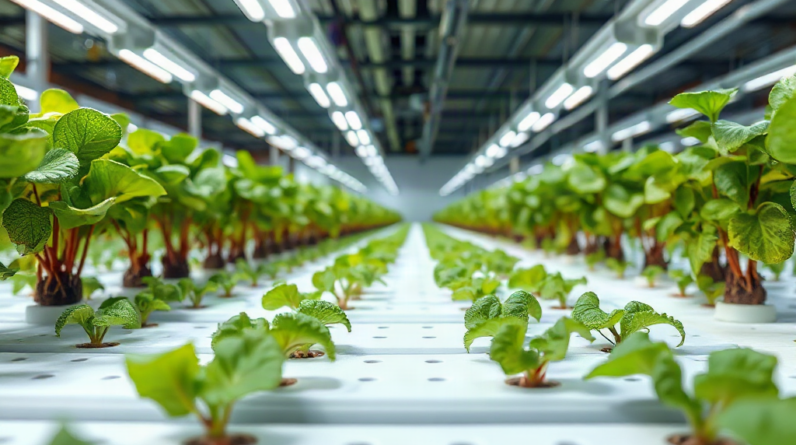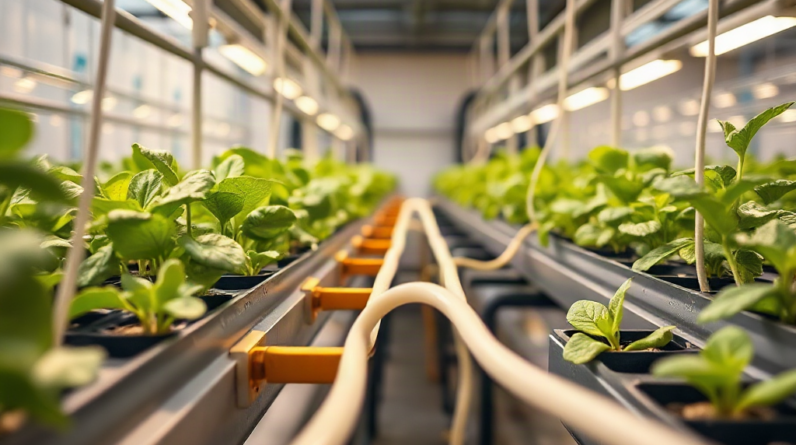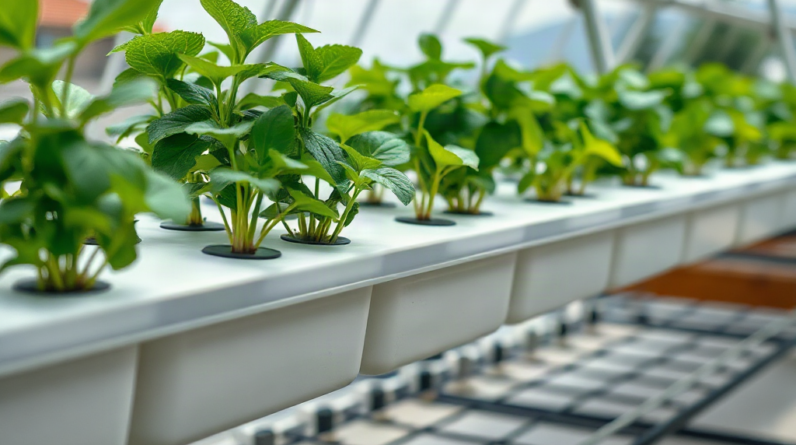
To transition from soil to hydroponics, start by selecting an appropriate hydroponic system that suits your plants, such as Deep Water Culture or Nutrient Film Technique. Prepare your plants by gently removing them from the soil, rinsing the roots to eliminate soil particles, and gradually reducing their watering to help them acclimate. A common mistake is failing to consider the specific nutrient requirements of hydroponic systems, which can lead to stress or poor growth. Ensure you provide the right nutrient solutions tailored for hydroponics to support healthy development. This careful approach will facilitate a smoother transition and promote robust plant growth in their new environment.
Choosing the Right Hydroponic System
Transitioning from soil to hydroponics starts with selecting the appropriate hydroponic system. Popular systems include Deep Water Culture (DWC), Nutrient Film Technique (NFT), and Ebb and Flow systems. Each system has its advantages and is suited for different types of plants and growth stages. For example, DWC is ideal for leafy greens and herbs, while NFT is better for fast-growing crops like lettuce.
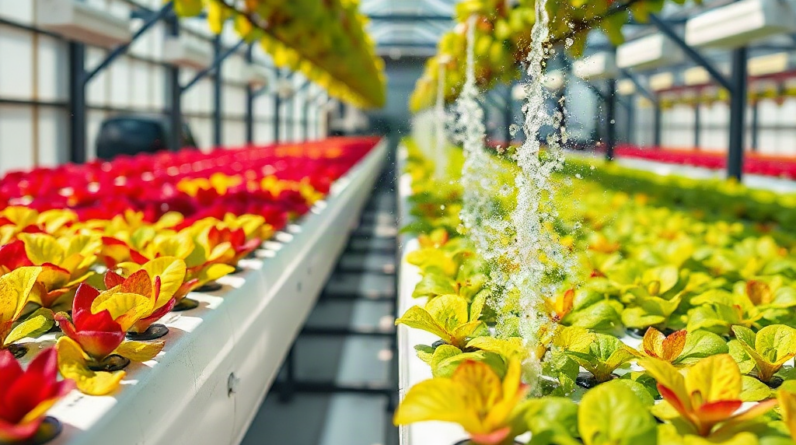
Understanding the mechanics of each system is crucial. DWC involves suspending plant roots in a nutrient-rich water solution, while NFT relies on a thin film of nutrient solution flowing over the roots. Evaluating your space, budget, and the types of plants you wish to grow will help determine the best choice. A common mistake is choosing a system without considering the specific needs of your plants, which can hinder growth and yield.
Preparing Your Plants for Hydroponics
Before moving plants from soil to a hydroponic system, preparation is key to minimizing shock. Start by gently removing the plants from their soil, taking care not to damage the roots. Rinse the roots under water to eliminate any remaining soil particles. Gradually reduce the watering of your plants in soil over a week to acclimate them to the new environment.
Consider starting with seedlings or cuttings that are more resilient to transplanting. This gradual transition allows plants to adapt to the hydroponic environment. A common error is rushing the process, which can lead to transplant shock and hinder growth. Monitoring the plants closely during this phase ensures they adapt well to their new conditions.
Understanding Nutrient Requirements
Nutrient management is critical in hydroponics, as plants rely entirely on the nutrient solution for their growth. Unlike soil, which provides a range of nutrients, hydroponic systems require a careful balance of macronutrients (nitrogen, phosphorus, potassium) and micronutrients (iron, manganese, zinc). Understanding the specific nutrient ratios for the plants you are growing will greatly impact their health and productivity.
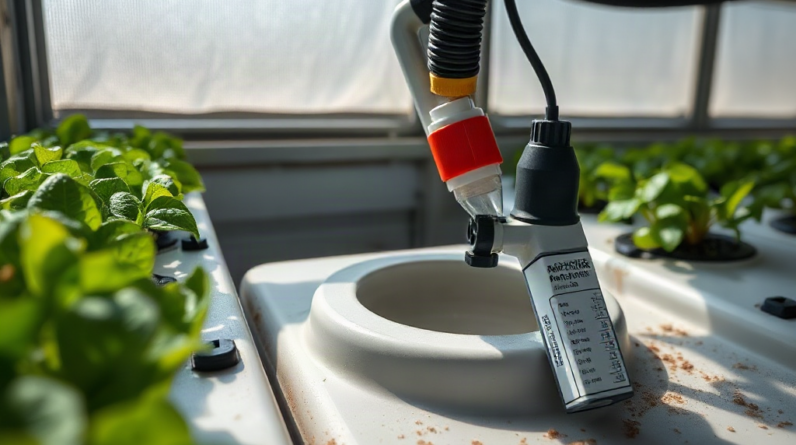
Using commercially available nutrient solutions can simplify this process, but it’s important to monitor pH and electrical conductivity (EC) regularly to ensure optimal nutrient uptake. A frequent mistake is assuming that all plants have the same nutrient needs, leading to deficiencies or toxicities. Tailoring your nutrient solution to the specific requirements of your plants is essential for a successful transition.
Common Mistakes to Avoid
When transitioning from soil to hydroponics, several pitfalls can hinder success. One of the most common mistakes is neglecting the importance of light. Hydroponic systems often require more light than soil gardens, so ensuring adequate lighting is crucial for plant health.
Another frequent error is not acclimating plants properly, which can result in transplant shock. Additionally, over-fertilizing or under-fertilizing can lead to nutrient imbalances. Regularly checking the nutrient solution and adjusting as necessary will help avoid these issues. Finally, failing to monitor water temperature and quality can lead to root problems and reduced growth. Addressing these common mistakes will pave the way for a successful hydroponic garden.
Frequently Asked Questions
What is the best hydroponic system for beginners?
The Deep Water Culture (DWC) system is often recommended for beginners due to its simplicity and effectiveness for growing a variety of plants.
How long does it take for plants to adjust to hydroponics?
Plants typically take 1-2 weeks to adjust to a hydroponic system, depending on their resilience and the care provided during the transition.
Can I grow any plant in hydroponics?
While many plants can thrive in hydroponics, some, like root vegetables, are less suited compared to leafy greens and herbs.
What should I do if my plants show signs of stress in hydroponics?
If plants show signs of stress, check nutrient levels, pH, and environmental factors such as light and temperature, and adjust accordingly.
How often should I change the nutrient solution in hydroponics?
It's recommended to change the nutrient solution every 1-2 weeks to maintain optimal nutrient balance and prevent buildup of harmful substances.
Further Reading
Authoritative Sources
- USDA National Institute of Food and Agriculture
nifa.usda.govResearch and extension resources related to agriculture, plants, soil, and food systems
- Extension Foundation Gardening Resources
extension.orgUniversity extension education resources for practical gardening and home agriculture topics
- USDA Natural Resources Conservation Service
nrcs.usda.govSoil, water, conservation, and land management resources for practical growing decisions
Conclusion
Successfully transitioning from soil to hydroponics requires careful planning and execution. Prioritize choosing the right system, preparing your plants adequately, and understanding their specific nutrient needs. Avoid common mistakes such as rushing the acclimation process and neglecting light requirements. By following these guidelines, you can create a thriving hydroponic garden that yields impressive results.