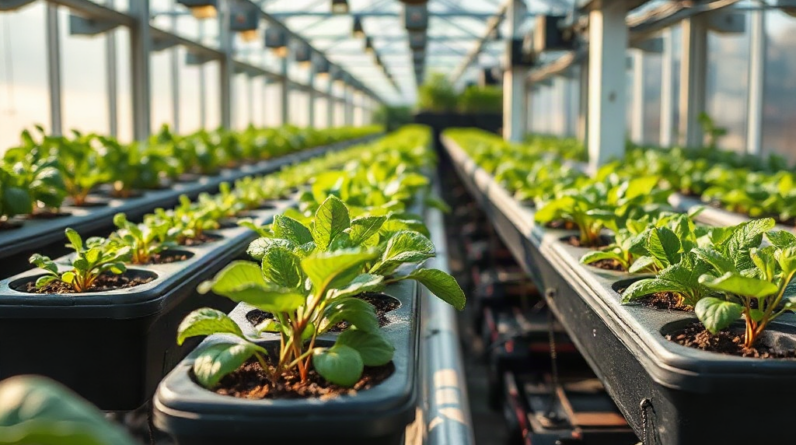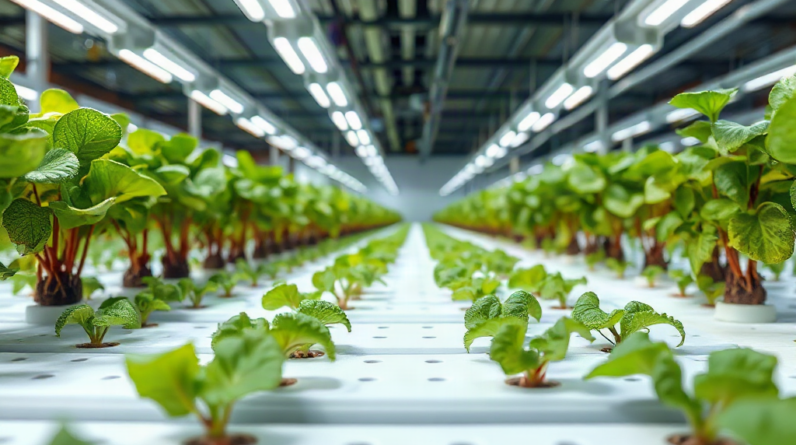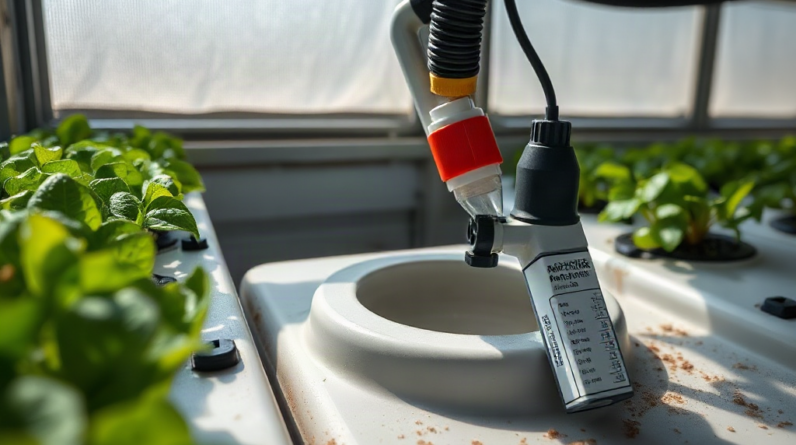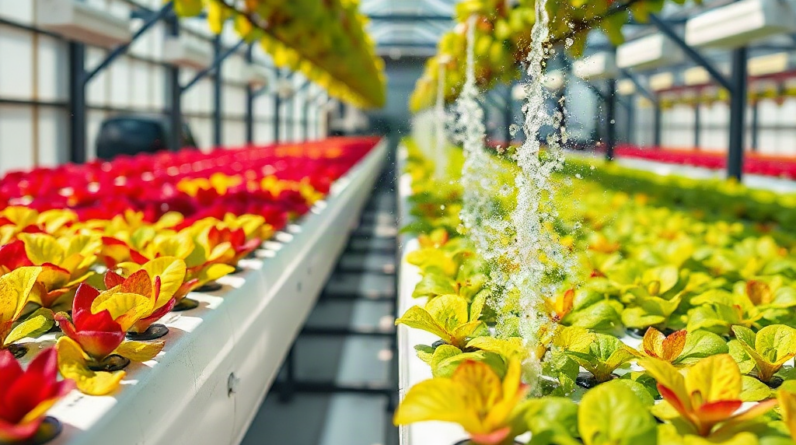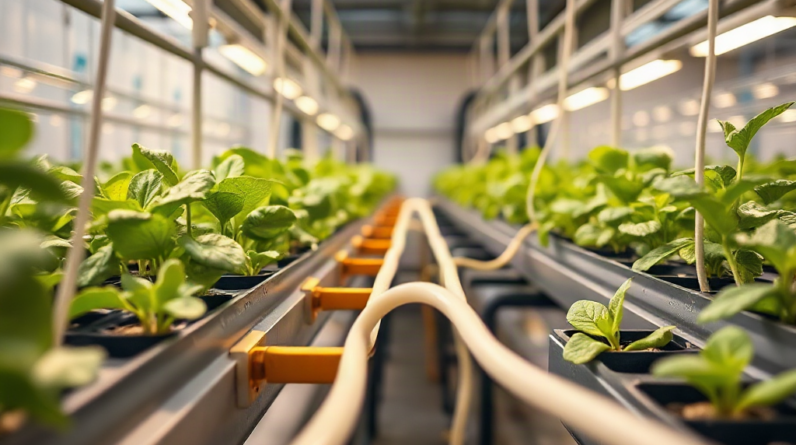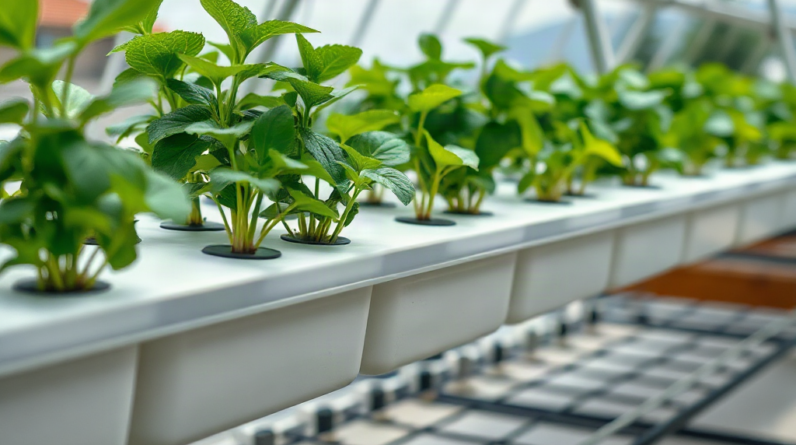
To troubleshoot pump failures in hydroponics, begin by checking the power supply to ensure the pump is receiving electricity. Inspect for clogs in the intake and discharge lines, as debris can restrict flow and lead to overheating. Additionally, examine the pump for mechanical wear, especially if it has been in continuous operation. Regular maintenance, such as cleaning filters and checking connections, can help prevent these issues. If problems persist, consider the pump's specifications to ensure it meets the demands of your hydroponic system.
Understanding Pump Functionality
Pumps are vital components in hydroponic systems, responsible for circulating nutrient solutions to plants. Understanding how these pumps function is crucial for effective troubleshooting. Typically, a pump operates by creating a pressure difference, allowing the liquid to flow through the system. This flow ensures that plants receive the necessary nutrients and oxygen, while also maintaining the desired moisture levels in the growing medium.
When troubleshooting pump failures, it’s essential to recognize that various factors can influence performance. These include pump type, system layout, and the specific requirements of the plants being grown. For instance, a submersible pump might face different challenges than a surface pump. Understanding these nuances can help in diagnosing issues more effectively.
Identifying Common Pump Failures
Several common issues can lead to pump failures in hydroponic systems. The most prevalent problems include power supply interruptions, clogs, mechanical wear, and improper installation. Power supply issues often arise from faulty outlets, blown fuses, or damaged cords. If a pump is not receiving adequate power, it will fail to operate, leading to potential plant stress or damage.
Clogs are another frequent cause of pump failures. Debris, algae, or sediment can build up in the pump or the connected tubing, restricting flow and causing the pump to overheat or fail entirely. It’s important to regularly check the intake and discharge lines for blockages. Additionally, mechanical wear can occur over time, especially if the pump is not designed for continuous operation. Components such as seals, impellers, and bearings may wear down, leading to leaks or reduced efficiency.
Troubleshooting Steps
When a pump failure occurs, follow these steps to troubleshoot effectively:
- Check the Power Supply: Ensure that the pump is plugged in and that the outlet is functioning. Test with a multimeter if necessary.
- Inspect for Clogs: Examine the intake screen and tubing for any blockages. Clean or replace parts as needed.
- Assess Mechanical Integrity: Look for any visible signs of wear or damage on the pump. Replace worn components to restore functionality.
- Test the Pump: If the pump still does not operate, consider testing it outside the system to determine if the issue is with the pump itself or the hydroponic setup.
By systematically following these troubleshooting steps, you can identify and resolve pump failures efficiently. This approach minimizes downtime and helps maintain optimal growing conditions for your plants.
Preventive Maintenance Strategies
Preventing pump failures is often more effective than troubleshooting them after they occur. Implementing regular maintenance routines can significantly extend the lifespan of your pump and enhance system reliability. Start by conducting routine inspections of the pump and surrounding components, checking for signs of wear, leaks, or blockages.
Additionally, cleaning the pump and associated tubing regularly is crucial to prevent clogs. Consider using filters to catch debris before it enters the pump system. It’s also beneficial to keep a maintenance log that tracks pump performance and any issues encountered, allowing you to spot patterns and address potential problems proactively.
Frequently Asked Questions
What are the signs of a failing hydroponic pump?
Signs include unusual noises, reduced water flow, and visible leaks around the pump. If the pump is not operational, it may also fail to start when powered on.
How often should I perform maintenance on my hydroponic pump?
Maintenance should be performed at least once a month, but more frequent checks may be necessary depending on the setup and plant growth stage.
Can I repair my hydroponic pump myself?
Yes, many common issues can be repaired with basic tools and knowledge, such as replacing seals or cleaning clogged components. However, more complex issues may require professional assistance.
What types of pumps are best for hydroponics?
Submersible pumps and inline pumps are both popular choices. The best type depends on your specific hydroponic system and its requirements.
How can I prevent pump failures in my hydroponic system?
Regular maintenance, cleaning, and proper installation can help prevent pump failures. Ensure the pump is suitable for your system's flow rate and pressure requirements.
Further Reading
Authoritative Sources
- USDA National Institute of Food and Agriculture
nifa.usda.govResearch and extension resources related to agriculture, plants, soil, and food systems
- Extension Foundation Gardening Resources
extension.orgUniversity extension education resources for practical gardening and home agriculture topics
- USDA Natural Resources Conservation Service
nrcs.usda.govSoil, water, conservation, and land management resources for practical growing decisions
Conclusion
Understanding how to troubleshoot pump failures in hydroponics is essential for maintaining a thriving growing environment. By regularly inspecting your pump, identifying common issues, and implementing effective troubleshooting steps, you can minimize downtime and ensure your plants receive the nutrients they need. Prioritizing preventive maintenance will not only extend the lifespan of your pump but also enhance the overall efficiency of your hydroponic system.