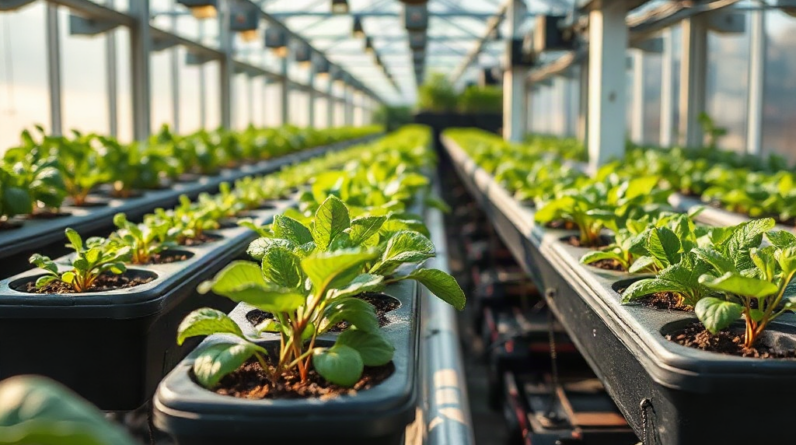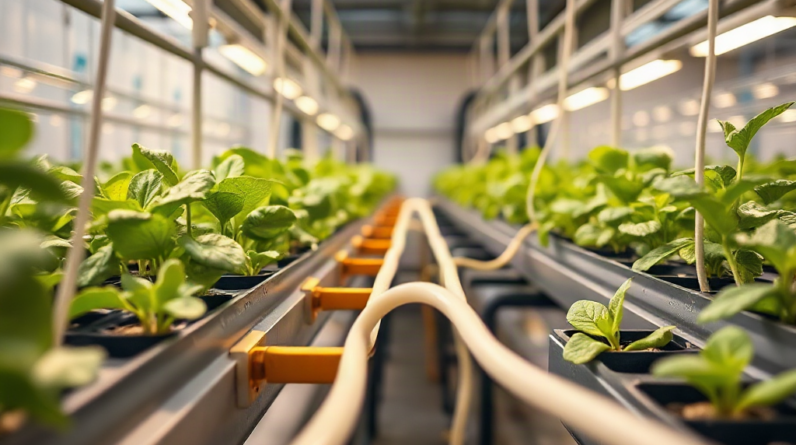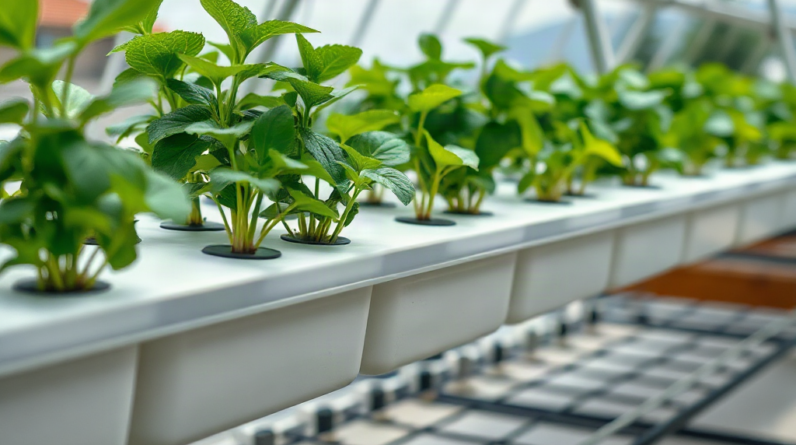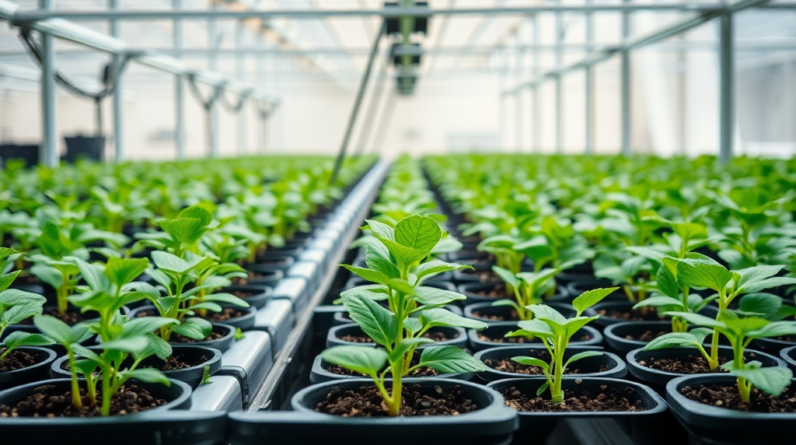
To troubleshoot seedling issues in hydroponics, begin by identifying specific problems such as nutrient imbalances, inadequate lighting, or overwatering. Regularly test and adjust the pH and electrical conductivity (EC) of your nutrient solution to ensure optimal nutrient uptake, as deviations can lead to deficiencies. Ensure your seedlings receive sufficient light to prevent leggy growth, which indicates they are stretching for light. Additionally, monitor your watering practices to avoid root rot, a common issue caused by excess moisture. By addressing these factors, you can significantly enhance the health and growth of your seedlings.
Understanding Common Seedling Problems
Seedlings in hydroponic systems can face various challenges, leading to poor growth or failure to thrive. Identifying these issues early is crucial for successful hydroponic gardening. Common problems include nutrient deficiencies, inadequate light exposure, and overwatering, which can result in yellowing leaves, stunted growth, or damping-off disease. Understanding the signs and underlying causes of these issues is essential for effective troubleshooting.
For instance, if seedlings exhibit yellowing leaves, it may indicate a nitrogen deficiency, while leggy growth suggests insufficient light. Monitoring environmental conditions and seedling responses is key to maintaining a healthy hydroponic system.
Nutrient Imbalance: Causes and Fixes
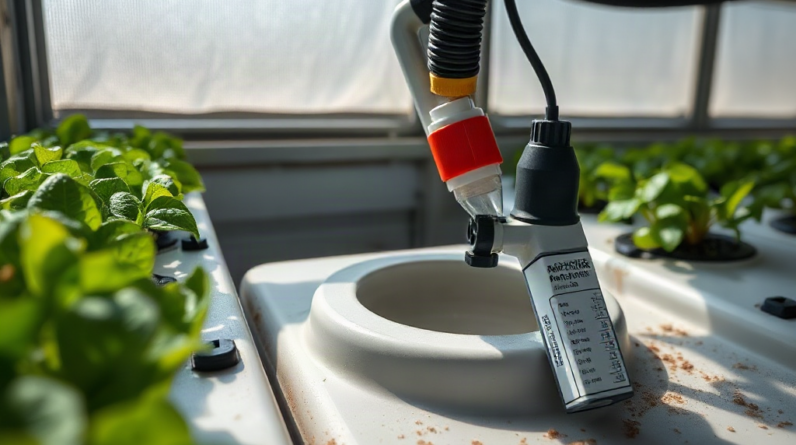
Nutrient imbalance is one of the most common issues affecting seedlings in hydroponics. Hydroponic systems rely on a carefully balanced nutrient solution, and deviations can lead to deficiencies or toxicities. The nutrient solution’s pH and electrical conductivity (EC) levels must be regularly monitored and adjusted to ensure optimal nutrient uptake.
For example, a pH level outside the optimal range of 5.5 to 6.5 can hinder nutrient absorption, leading to deficiencies in essential elements like magnesium or calcium. To address nutrient imbalances, regularly test the nutrient solution and adjust pH levels as needed. Additionally, consider using a complete nutrient solution tailored for seedlings to ensure they receive all necessary elements.
Light Requirements for Healthy Seedlings
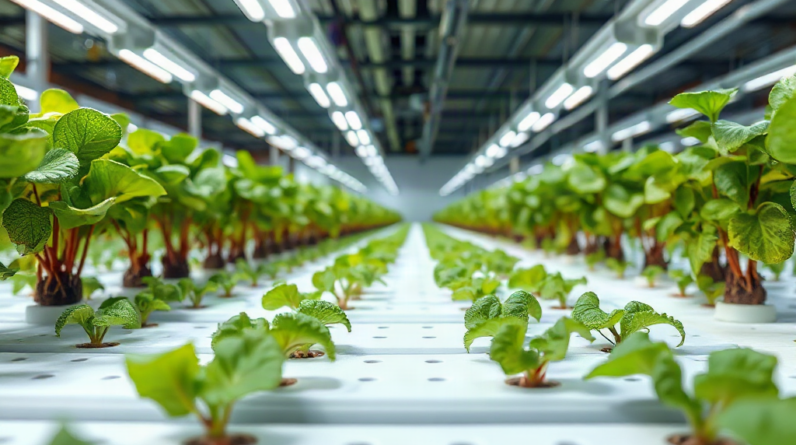
Light is a critical factor in seedling development, as it directly affects photosynthesis and growth rates. In hydroponics, seedlings typically require 12 to 16 hours of light per day, depending on the plant species. Insufficient light can result in elongated, weak seedlings that struggle to establish a strong root system.
Using full-spectrum LED grow lights can provide the necessary light intensity and spectrum for optimal growth. Position the lights at an appropriate distance from the seedlings to prevent light burn while ensuring they receive adequate illumination. Regularly assess seedling growth and adjust light exposure based on their development stage.
Watering Practices and Root Health
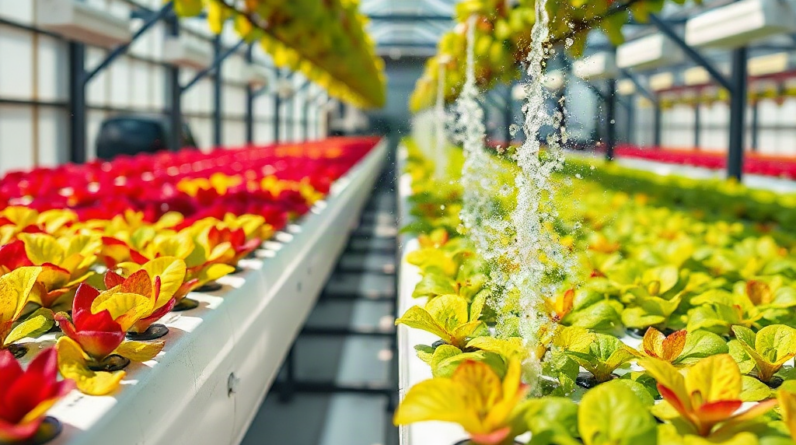
Watering practices play a vital role in maintaining healthy roots and preventing diseases. Overwatering is a common mistake that can lead to root rot and damping-off, both of which can severely affect seedling health. In hydroponics, it’s crucial to maintain a balance between moisture and aeration in the root zone.
To ensure healthy root development, monitor the moisture levels of the growing medium and adjust the watering schedule accordingly. Use a well-draining substrate that allows for adequate aeration while retaining moisture. Additionally, consider incorporating oxygenation techniques, such as air stones, to enhance root health and promote nutrient uptake.
Frequently Asked Questions
What are the signs of nutrient deficiency in seedlings?
Common signs include yellowing leaves, stunted growth, and leaf curling. Each nutrient deficiency manifests differently, so monitoring plant appearance is essential.
How often should I check the pH of my nutrient solution?
It's advisable to check the pH at least once a week, or more frequently if you notice signs of nutrient imbalance or poor seedling health.
Can I use regular soil nutrients in my hydroponic system?
No, regular soil nutrients are not designed for hydroponics and may contain elements that can clog systems or harm plants. Use nutrients specifically formulated for hydroponic systems.
What type of light is best for seedlings?
Full-spectrum LED grow lights are ideal for seedlings, as they provide the necessary spectrum for healthy growth and can be adjusted in intensity.
How do I prevent overwatering in hydroponics?
To prevent overwatering, monitor the moisture levels of the growing medium and adjust the watering frequency based on the seedlings' needs and the system's design.
Further Reading
Authoritative Sources
- USDA National Institute of Food and Agriculture
nifa.usda.govResearch and extension resources related to agriculture, plants, soil, and food systems
- Extension Foundation Gardening Resources
extension.orgUniversity extension education resources for practical gardening and home agriculture topics
- USDA Natural Resources Conservation Service
nrcs.usda.govSoil, water, conservation, and land management resources for practical growing decisions
Conclusion
Successfully troubleshooting seedling issues in hydroponics involves understanding the common problems that can arise, such as nutrient imbalances, inadequate light, and improper watering practices. By actively monitoring environmental conditions and seedling responses, gardeners can make informed adjustments to improve growth and health. Prioritizing nutrient balance, light exposure, and proper watering techniques will significantly enhance seedling development and set the foundation for a thriving hydroponic garden.