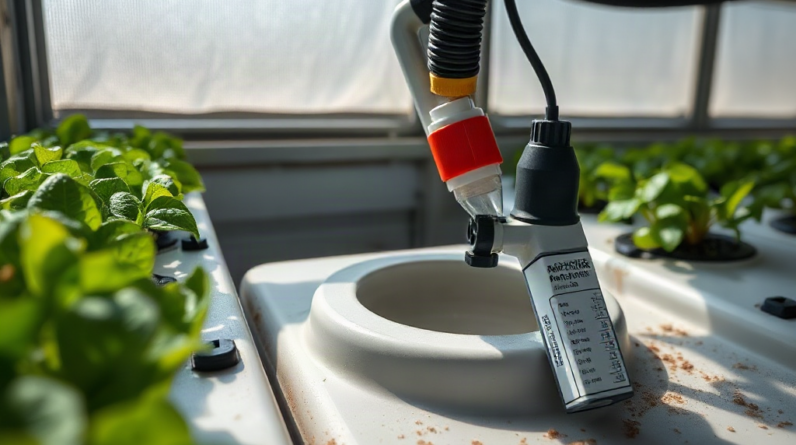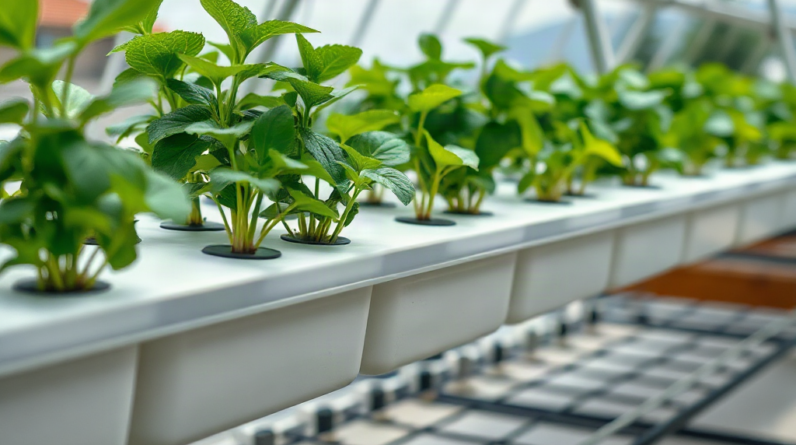

Compost tea is an effective way to enhance the nutrient profile of hydroponic systems, providing essential elements that support plant growth and health. This liquid fertilizer is made by steeping compost in water, allowing beneficial microbes and nutrients to leach into the solution. When used correctly, compost tea can improve nutrient uptake, enhance soil microbial diversity, and promote stronger plant growth.
Brewing compost tea requires careful attention to the compost quality and brewing conditions. The compost should be well-decomposed and free from pathogens to ensure a healthy tea. Aeration is critical during the brewing process; it helps promote aerobic bacteria while preventing the growth of harmful anaerobic organisms. Optimal brewing typically takes 24 to 48 hours, with a temperature range of 60 to 75°F (15 to 24°C) to maintain microbial activity.
Benefits of Compost Tea in Hydroponics
Using compost tea in hydroponics offers several benefits that can significantly enhance plant health and productivity. The tea is rich in nutrients, including nitrogen, phosphorus, potassium, and trace elements, which are crucial for plant development. Additionally, compost tea introduces beneficial microorganisms that can outcompete harmful pathogens, reducing disease incidence.
Moreover, compost tea can improve soil structure and aeration, even in hydroponic media, leading to better root development. It can also enhance plant resilience against stressors such as pests and environmental changes. Regular application can lead to higher yields and improved quality of produce, making it a valuable addition to any hydroponic system.
How to Prepare Compost Tea
Preparing compost tea involves a few straightforward steps to ensure you extract the maximum benefits from your compost. Start by selecting high-quality, well-aged compost that is free from contaminants. Place about one part compost to five parts water in a suitable container. Aerate the mixture using an aquarium pump or by stirring vigorously to introduce oxygen into the solution.
Let the mixture steep for 24 to 48 hours, keeping it at a stable temperature. After brewing, strain the liquid through a fine mesh or cloth to remove solid particles. This liquid is your compost tea, which can be diluted further if desired. It’s important to use the tea within a week to maintain its potency, as microbial populations can decline rapidly over time.
Application Techniques for Hydroponic Systems
When applying compost tea in hydroponic systems, timing and method are critical for effectiveness. It can be applied directly to plant roots through the nutrient solution or as a foliar spray. For root application, mix the tea with your nutrient solution at a ratio of about 10-20% tea to 80-90% water, depending on the concentration of the brew.
For foliar application, spray the tea onto the leaves during cooler parts of the day to avoid leaf burn. This method allows plants to absorb nutrients and beneficial microbes directly through their leaves. Regular applications every two weeks can help sustain plant health and vigor, but always monitor plant response to avoid over-fertilization.
Common Mistakes to Avoid
While using compost tea can be highly beneficial, there are common mistakes that growers should avoid to ensure optimal results. One major mistake is using poor-quality compost, which can introduce pathogens and reduce the effectiveness of the tea. Always use well-composted material that is free from contaminants.
Another common pitfall is over-aerating or under-aerating the tea during brewing. Proper aeration is essential to promote beneficial bacteria while preventing harmful anaerobic bacteria. Additionally, be cautious with application rates; too much compost tea can lead to nutrient burn or imbalance in your hydroponic system. Keeping a close eye on plant health and adjusting your approach as needed will lead to better outcomes.
For more insights on compost tea and its applications in hydroponics, consider exploring resources from reputable agricultural universities or organic gardening organizations. These sources can provide additional research findings and practical advice to help you maximize the benefits of compost tea in your hydroponic systems.
Further Reading
Authoritative Sources
- USDA National Institute of Food and Agriculture
nifa.usda.govResearch and extension resources related to agriculture, plants, soil, and food systems
- Extension Foundation Gardening Resources
extension.orgUniversity extension education resources for practical gardening and home agriculture topics
- USDA Natural Resources Conservation Service
nrcs.usda.govSoil, water, conservation, and land management resources for practical growing decisions
Frequently Asked Questions
What is compost tea?
Compost tea is a liquid fertilizer made by steeping compost in water, allowing nutrients and beneficial microbes to be extracted for plant use.
How often should I apply compost tea in my hydroponic system?
It is advisable to apply compost tea every two weeks to maintain plant health and nutrient levels.
Can I use compost tea in all types of hydroponic systems?
Yes, compost tea can be used in various hydroponic systems, including deep water culture, nutrient film technique, and aeroponics.
What are the signs of over-fertilization from compost tea?
Signs of over-fertilization include yellowing leaves, burnt leaf edges, and stunted growth in plants.
Is it necessary to dilute compost tea before use?
Yes, diluting compost tea is often recommended to prevent nutrient burn and to ensure that plants can absorb the nutrients effectively.
Conclusion
Incorporating compost tea into your hydroponic system can provide numerous benefits, from enhanced nutrient availability to improved plant health. By carefully preparing the tea and applying it correctly, you can maximize its potential and support your plants’ growth. Avoid common pitfalls like using low-quality compost or over-fertilizing, and you will likely see a significant improvement in your hydroponic yields. Regular monitoring and adjustment will help you achieve the best results.