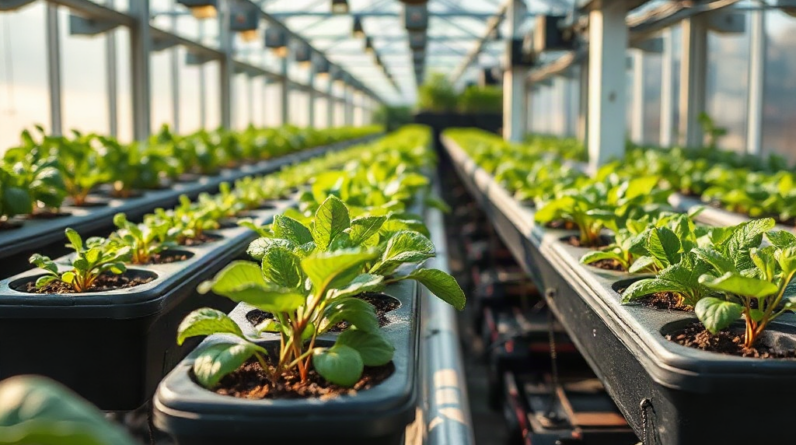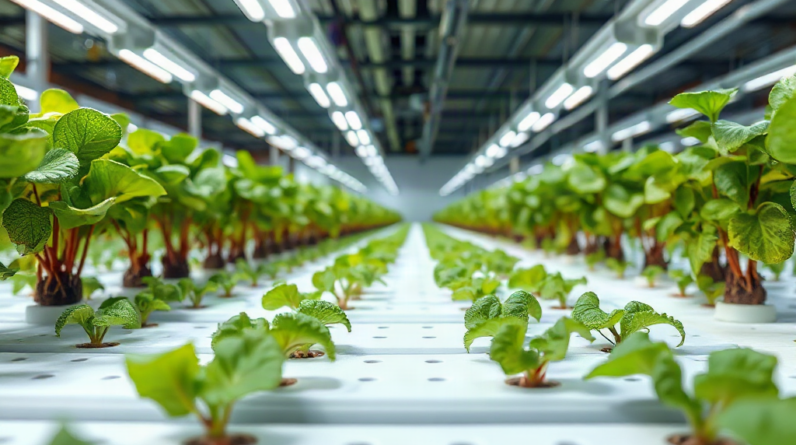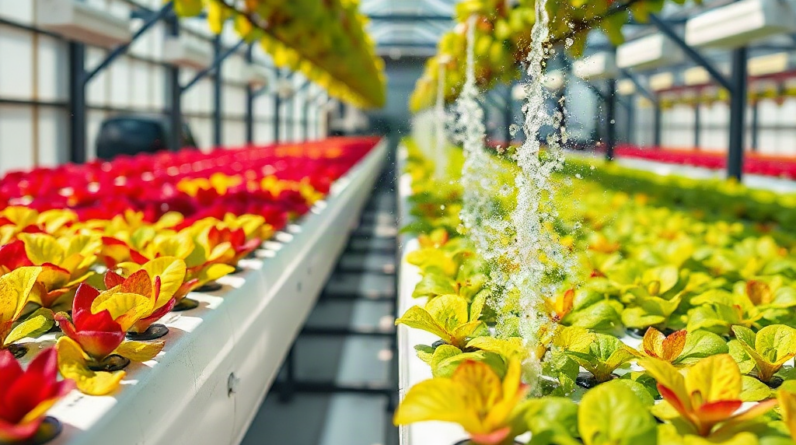
A hydroponic farming system at home enables you to cultivate plants without soil, utilizing a nutrient-rich water solution instead. This method not only accelerates growth but also allows for year-round gardening, making it ideal for those with limited space. To ensure success, it’s vital to monitor pH levels regularly, aiming for a range between 5.5 and 6.5, as this affects nutrient absorption. Additionally, providing adequate light and managing nutrient delivery are crucial for healthy plant development. Common pitfalls include overwatering and improper plant spacing, which can significantly impede growth and yield.
Understanding Hydroponics
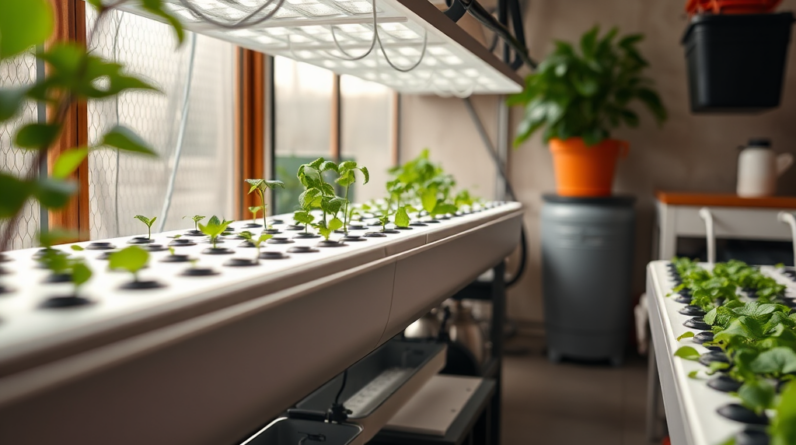
Hydroponics is a method of growing plants without soil, using nutrient-rich water to deliver essential minerals directly to the roots. This technique allows for more efficient nutrient uptake, leading to faster growth and higher yields compared to traditional soil gardening. A hydroponic farming system at home can be tailored to fit various spaces, making it accessible for urban dwellers and gardening enthusiasts alike.
The primary advantage of hydroponics is its ability to optimize growing conditions. By controlling factors like nutrient levels, pH, and lighting, you can create an ideal environment for plant growth. Moreover, this method reduces the risk of soil-borne diseases and pests, leading to healthier plants.
Setting Up Your Hydroponic System
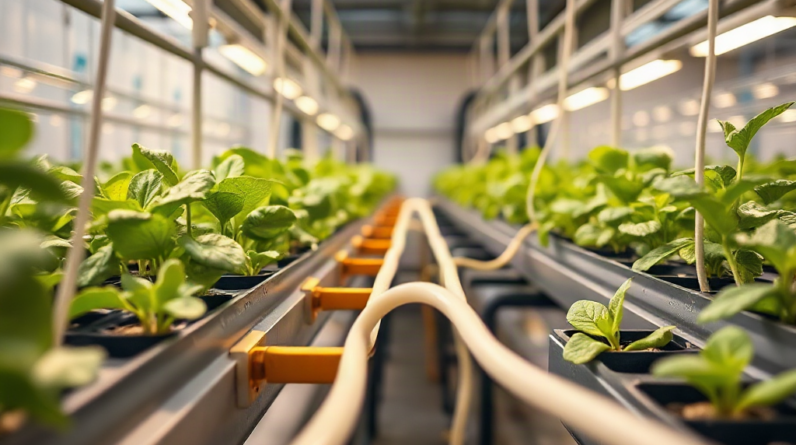
To establish a hydroponic farming system at home, you first need to choose a suitable system type. Common systems include nutrient film technique (NFT), deep water culture (DWC), and aeroponics. Each system has its benefits and drawbacks, so consider factors like space, budget, and plant types when making your choice.
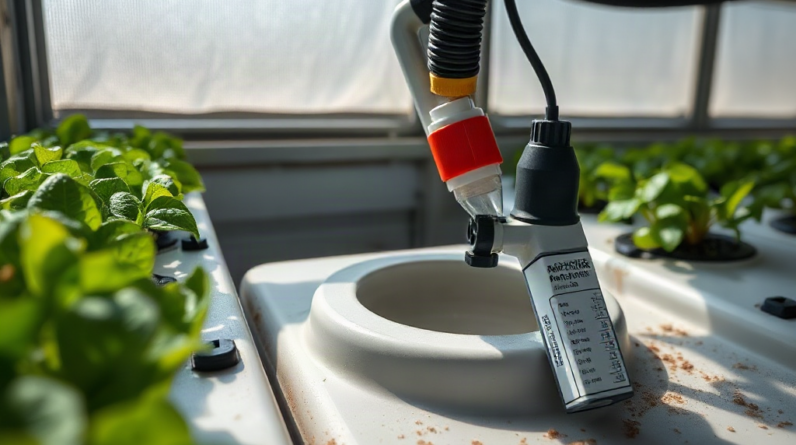
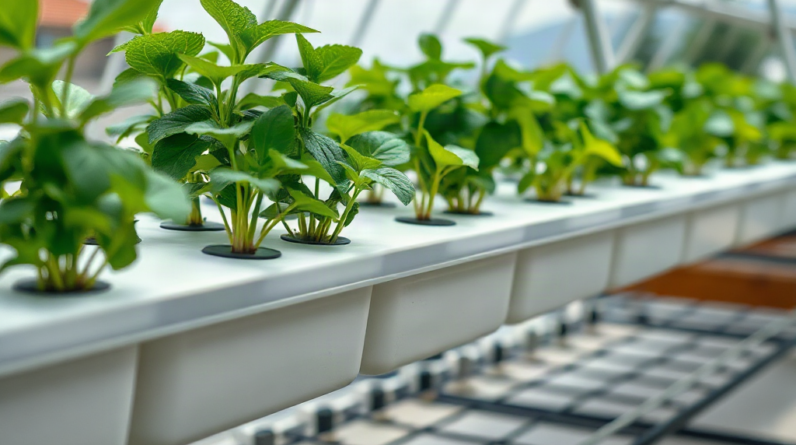
Once you’ve selected a system, gather the necessary materials, including a reservoir for the nutrient solution, a pump for water circulation, and grow trays for your plants. It’s crucial to maintain proper water levels and ensure adequate oxygenation for root health. Regularly monitor and adjust pH levels between 5.5 and 6.5 to ensure optimal nutrient absorption.
Choosing the Right Plants for Hydroponics
Not all plants thrive in hydroponic systems. Leafy greens like lettuce, spinach, and herbs such as basil and mint are excellent choices for beginners due to their relatively short growth cycles and adaptability. Fruiting plants like tomatoes and peppers can also be grown hydroponically, but they may require more advanced techniques and support structures.
When selecting plants, consider their growth habits and light requirements. Some plants may need more light than others, so you’ll need to invest in appropriate grow lights if you’re growing indoors. Additionally, ensure that your chosen plants are compatible with your hydroponic system type.
Common Mistakes to Avoid
Even experienced hydroponic gardeners can make mistakes that hinder plant growth. One common error is overwatering, which can lead to root rot and other issues. It’s essential to monitor water levels and ensure proper drainage in your system.
Another mistake is neglecting to space plants adequately. Overcrowding can lead to competition for nutrients and light, resulting in stunted growth. Make sure to follow recommended spacing guidelines for the specific plants you choose. Additionally, regularly check your nutrient solution for imbalances, as improper ratios can affect plant health.
Frequently Asked Questions
What is the best hydroponic system for beginners?
The deep water culture (DWC) system is often recommended for beginners due to its simplicity and effectiveness.
How often should I change the nutrient solution?
It is advisable to change the nutrient solution every 1-2 weeks to maintain optimal nutrient levels.
Can I grow fruits and vegetables together in a hydroponic system?
Yes, but be mindful of their differing nutrient and light requirements to ensure all plants thrive.
Do I need special lights for hydroponics?
Yes, if growing indoors, specialized grow lights are essential to provide adequate light for photosynthesis.
Is hydroponic gardening more expensive than traditional gardening?
Initial setup costs can be higher for hydroponics, but it can save money in the long run due to higher yields and less waste.
Further Reading
Authoritative Sources
- USDA National Institute of Food and Agriculture
nifa.usda.govResearch and extension resources related to agriculture, plants, soil, and food systems
- Extension Foundation Gardening Resources
extension.orgUniversity extension education resources for practical gardening and home agriculture topics
- USDA Natural Resources Conservation Service
nrcs.usda.govSoil, water, conservation, and land management resources for practical growing decisions
Conclusion
Adopting a hydroponic farming system at home opens up new possibilities for growing plants efficiently and effectively. By understanding the basics of hydroponics, selecting the right system and plants, and avoiding common pitfalls, you can enjoy the benefits of fresh produce year-round. Prioritize monitoring your system’s conditions and stay informed about your plants’ needs to maximize your gardening success.