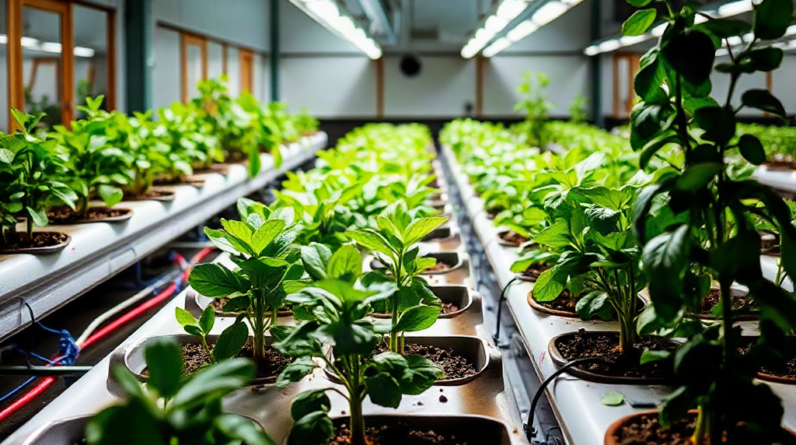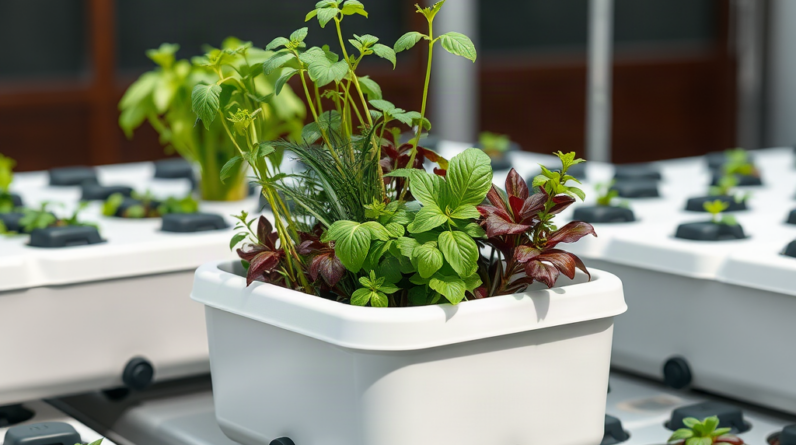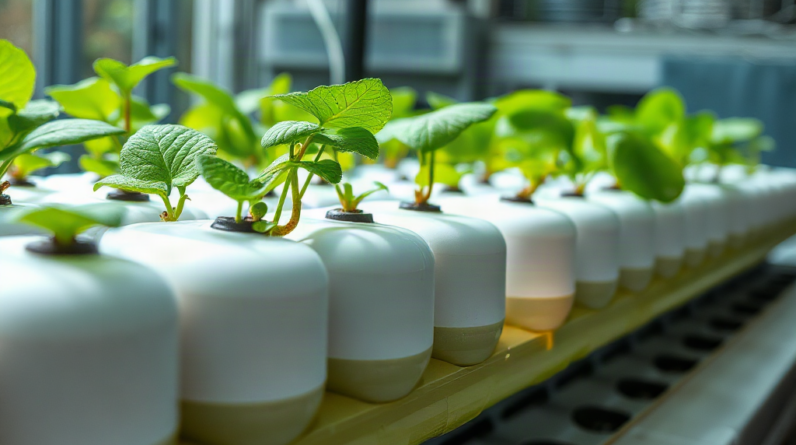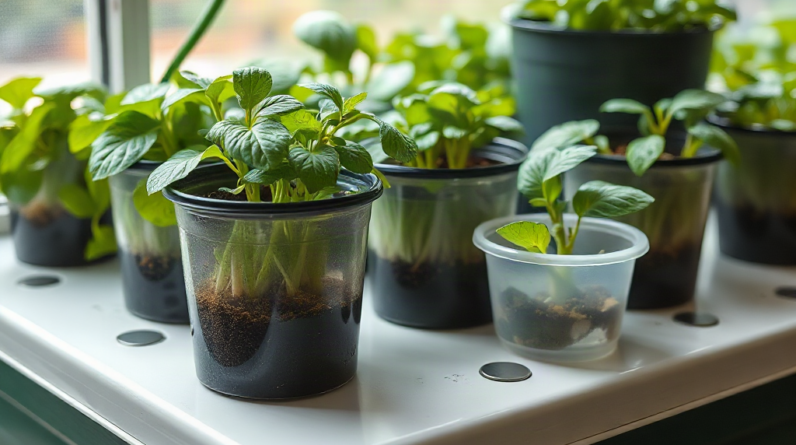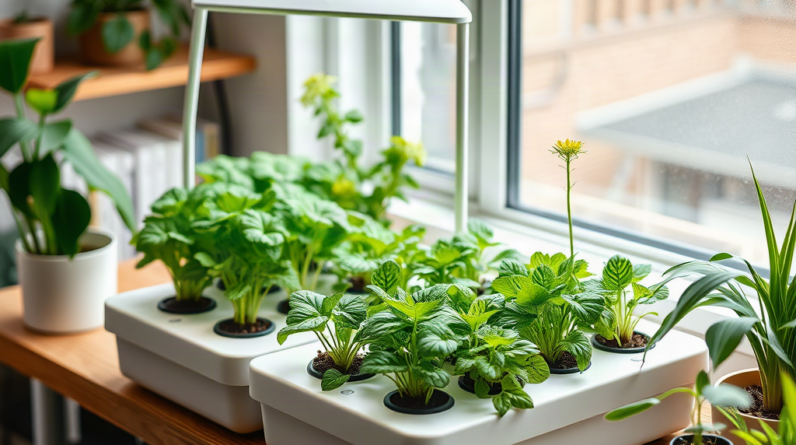
Hydroponic gardens for shared living spaces work best when compact crops, quiet equipment, spill-resistant placement, and clearly assigned care duties are planned together. A countertop wick or small deep-water system suits leafy greens and herbs, while a larger recirculating unit needs more light, reservoir checks, and agreement about noise and electricity. Place the garden near an outlet and usable light without blocking walkways, protect surfaces from leaks, and label nutrient supplies so mistakes do not affect other residents. Set a simple schedule for checking water level, pH, plant health, and harvests. The main risk is not the plants themselves but unclear ownership of maintenance, mess, and shared resources.
Choosing A System That Fits Shared Rooms
The best shared-space garden is usually the smallest system that can provide the desired harvest without making one resident responsible for a complex appliance. Countertop wick gardens, compact deep-water culture units, and small nutrient-film systems occupy very different amounts of space and demand different levels of attention. A wick system has few moving parts and little operating noise, but plant growth may be slower and water distribution less uniform. A deep-water unit can grow lettuce and basil efficiently in a small footprint, although its air pump creates a continuous hum and its reservoir must be monitored.
Match the design to the room before buying equipment. A kitchen shelf may suit a six-pod herb unit, while a common room with no nearby sink is poorly suited to a large reservoir that must be drained regularly. Leaf lettuce, arugula, basil, mint, and chives are practical first crops because they remain relatively compact and tolerate repeated harvesting. Fruiting plants such as tomatoes and peppers require stronger lighting, more vertical clearance, support, and a longer commitment from everyone using the space.
A useful comparison is between personal and communal ownership. A personal countertop unit can remain in a bedroom or private office, with the owner handling refills and cleaning. A communal unit in a kitchen creates shared access to fresh herbs but also turns every spill, dead leaf, and electrical cord into a household concern. The common mistake is choosing by advertised plant capacity rather than by maintenance burden. A unit holding twelve plants may need more light and nutrient management than roommates expect.
Before purchasing, agree on three limits: maximum floor or counter area, acceptable operating noise, and the number of minutes available for weekly care. If those limits are unclear, choose a smaller passive or low-flow system and expand only after the household has completed several successful crop cycles. For more detail on equipment decisions, see Hydroponic gardens for shared living spaces as a planning reference.
Placing Lights, Reservoirs, And Equipment Safely
Placement determines whether an indoor garden feels like a useful household feature or an obstacle. Put the reservoir on a stable, level surface that can tolerate occasional moisture, and keep electrical connections above the possible spill line. A tray beneath the unit catches drips during refilling, but it does not replace careful handling. Leave enough clearance to remove the lid, inspect roots, and lift the reservoir without striking a lamp or nearby dishes.
Lighting deserves special attention in shared rooms. A window may provide attractive natural light but often lacks the consistency needed for vigorous indoor growth, especially during short winter days. A supplemental LED fixture provides more predictable coverage, yet brightness and operating hours affect the room. A light aimed at a bare wall can create glare at night, while an uncovered fixture near a television or sleeping area may become irritating. Choose a fixture with adjustable intensity or use a timer that respects household quiet hours.
Air movement and humidity create another tradeoff. Gentle circulation can reduce stagnant air around leaves, but a strong fan adds noise and may dry plants quickly. A system beside a radiator, cooking surface, or drafty window experiences unstable temperatures and water loss. Roots also need oxygen; an air pump that is placed directly on a hollow shelf can amplify vibration through the furniture. A rubber pad often reduces transmitted noise more effectively than simply lowering the pump output.
Test the proposed location before planting. Run the pump and light for a short period, open cabinet doors, walk past the unit carrying a full glass, and check whether the cord crosses a walkway. The weak assumption is that a small garden creates small hazards. Water and electricity still require separation, and a crowded counter makes routine inspection less likely. A safe, accessible location is more valuable than a hidden corner that residents avoid.
Selecting Crops And Managing Shared Care
Crop selection should reflect both the space and the household’s eating habits. Fast-growing greens provide visible results and can be harvested a little at a time, which makes them suitable for several people sharing one unit. Basil and mint can supply regular kitchen use, but mint grows aggressively and may crowd neighboring pods if not trimmed. Strawberries can be appealing in a communal area, yet they need careful pollination, adequate light, and patience. Their novelty does not make them an easier first crop.
Different residents may also have different standards for harvesting. One person may cut basil stems heavily, while another removes only individual leaves. Without a shared approach, plants can become uneven or stressed. Marking plant names and noting the last feeding or reservoir change prevents guesswork. Never assume that a roommate who enjoys cooking also wants responsibility for pH testing or pump cleaning.
Assign duties by task rather than by vague promises. One person can check the water level and inspect roots twice each week; another can wipe the light, remove yellow leaves, and record harvests. If only one resident understands the nutrient concentration, the garden is not truly shared. Keep the nutrient bottle, pH supplies, measuring tools, and written instructions together in a labeled container. Follow the product directions rather than adding extra concentrate in the hope of faster growth.
A compact care record can include:
- Date of reservoir top-up or replacement
- Plant symptoms, root appearance, and pest observations
- Light timer status and pump noise changes
- Who completed cleaning and who may harvest
The most common failure is neglect after the first harvest. Plants continue consuming water and nutrients when enthusiasm fades, and an unattended reservoir can develop algae or concentrated salts. If the household cannot maintain a regular check, reduce the plant count or choose a passive design. The garden should fit the residents’ routines, not depend on one person remaining permanently available.
Preventing Odors, Leaks, Noise, And Disputes
Shared-space hydroponics tends to fail through small annoyances rather than dramatic plant problems. A loose lid can drip onto a counter, algae can form when light reaches nutrient solution, and a pump can become louder as it vibrates against a shelf. These issues matter because residents experience them even if they never touch the plants. Preventive design protects cooperation as much as it protects the crop.
Keep the reservoir covered and clean spills immediately, especially around food preparation areas. Remove dead leaves before they fall into the water, since decaying material can contribute to unpleasant odors and cloudy solution. A mild plant smell is usually manageable, but a persistent sour or rotten odor warrants inspection of roots, standing water, and organic debris. Do not mask a sanitation problem with fragrance products in a shared room.
Agree on household rules before installation. Decide whether the garden may occupy a dining table, whether its light can run after bedtime, who pays for electricity and supplies, and whether visitors may harvest. These details sound minor until the unit blocks a workspace or someone discovers that the last basil leaves have disappeared. A short written agreement is especially useful in student housing, co-living arrangements, and rented homes where furniture or walls cannot be modified.
Compare prevention with recovery. Buying a spill tray, cable clips, opaque reservoir cover, and vibration pad costs less effort than repeatedly cleaning a wet shelf or moving the unit after complaints. The mistake is treating courtesy as optional because the garden is technically small. A shared installation must be quiet enough, tidy enough, and reversible enough that people who do not garden can live comfortably beside it.
A Practical Setup And Maintenance Plan
Build the garden in stages rather than filling every opening on the first day. Assemble the empty unit, verify that the reservoir does not leak, run the pump, and observe the light position. Add a small number of plants that have similar light and nutrient needs. This staged approach makes it easier to identify whether a problem comes from equipment, placement, or plant care.
Use this priority order for the first month:
- Stability: confirm the unit is level, cords are secure, and the reservoir is easy to access.
- Environment: check leaf temperature, airflow, light coverage, and water level at consistent times.
- Plant health: inspect roots, leaves, and new growth before changing nutrients.
- Household fit: review noise, clutter, harvest fairness, and supply storage with residents.
Change one variable at a time when diagnosing trouble. If leaves pale, first check whether the light reaches the canopy and whether the solution level is appropriate before doubling the nutrient dose. If roots look brown or smell unpleasant, inspect oxygenation, temperature, cleanliness, and damaged tissue rather than assuming the plants simply need more fertilizer. Sudden changes make it difficult to identify the cause and can harm plants that were otherwise recovering.
Signs of a workable arrangement include predictable refill duties, clear access to the reservoir, even growth, and no repeated complaints about light or noise. Signs that the design is too ambitious include missed checks, frequent spills, plants outgrowing the fixture, or arguments about who may harvest. At that point, prune the crop list, move the unit, or replace it with a simpler model. A smaller garden that remains healthy and welcome in the room is a better result than a high-capacity system that becomes household clutter.
For a broader planning comparison, revisit Hydroponic gardens for shared living spaces after the first crop cycle and record which tasks actually fit the household schedule.
For crop-specific light, sanitation, and nutrient guidance, consult hydroponic growing resources from university extension programs, agriculture departments, and the equipment manufacturer’s official instructions. Those sources are more useful than generalized product claims because they explain operating limits for particular crops and system designs.
Frequently Asked Questions
What is the easiest hydroponic garden for roommates?
A small wick or deep-water culture unit growing herbs and leafy greens is usually easiest because it has a limited footprint and a manageable crop list. Choose a model with a covered reservoir and quiet pump if it will sit in a common room.
Where should a shared hydroponic garden be placed?
Use a level, moisture-tolerant surface near an outlet and usable light, but away from walkways, cooking splashes, radiators, and sleeping areas. Keep plugs and power strips higher than the reservoir’s possible spill level.
Which crops work well in communal indoor gardens?
Lettuce, arugula, basil, chives, and other compact herbs are practical choices because they harvest repeatedly without needing extensive support. Tomatoes, peppers, and large vines usually demand more light, space, and shared maintenance.
How can roommates divide hydroponic garden care?
Assign specific tasks such as water checks, cleaning, plant inspection, and harvesting rather than relying on a general promise to help. Record reservoir changes and keep supplies together so another resident can take over when needed.
What should be done if the garden becomes noisy or messy?
Check for pump vibration, loose lids, clogged components, and unstable placement. A rubber isolation pad, covered reservoir, spill tray, and better cable routing may solve the problem; otherwise, reduce the unit’s size or move it to a private area.
Conclusion
A shared hydroponic garden succeeds when household logistics receive as much attention as plant growth. Choose compact crops and a system that matches the available light, counter space, noise tolerance, and maintenance time. Protect surfaces, separate water from electrical connections, cover the reservoir, and agree on harvesting and supply costs before planting. A written care schedule prevents the common problem of one resident quietly carrying every refill and cleaning task. Begin with a modest crop load, observe how the equipment fits daily life, and expand only when the arrangement stays clean, quiet, and reliable. If the first month exposes repeated spills, missed checks, or disagreements, simplify the setup rather than adding more technology.