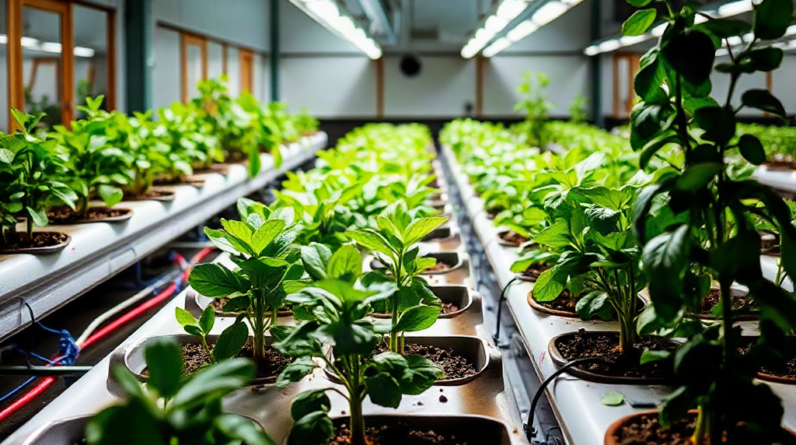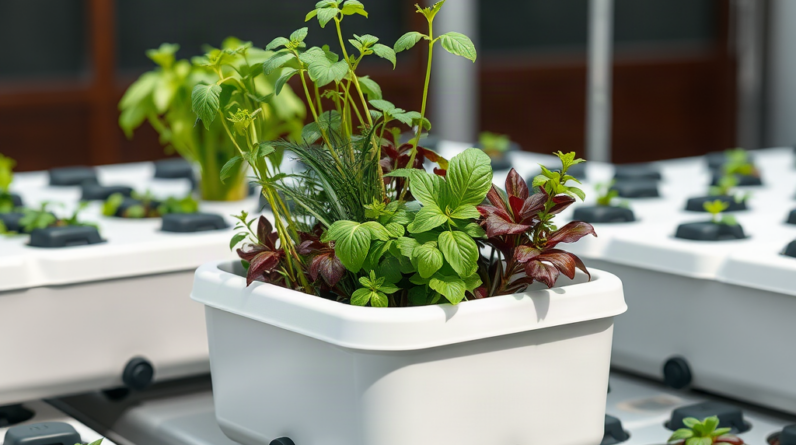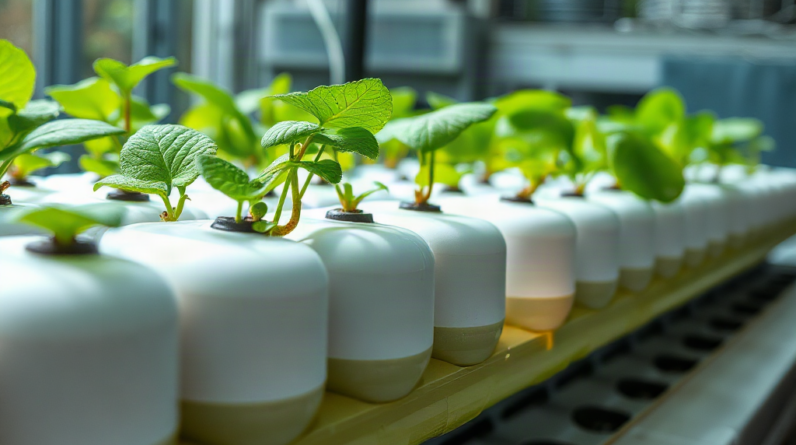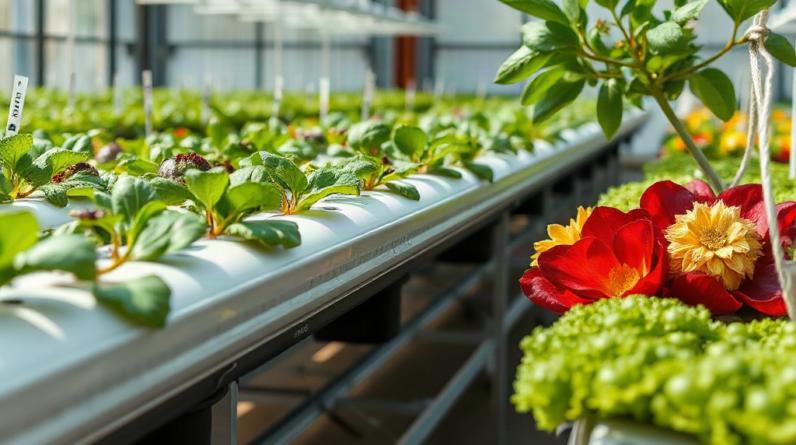
Reducing single-use plastic in hydroponic gardens means replacing disposable pots, bags, tubing, labels, and packaging with durable alternatives while keeping sanitation and crop reliability intact. Reusable nursery trays, washable harvest containers, refillable nutrient storage, fabric ties, and permanent plant labels usually deliver the biggest gains. The practical challenge is contamination: items that contact roots, nutrient solution, or harvested greens must be cleaned, inspected, and replaced when they become cracked or difficult to sanitize. A staged switch works better than discarding every plastic item at once because opaque reservoirs, food-safe bins, and durable fittings may remain useful for years. Track purchases and waste for one growing cycle, then target the items discarded most often.
Where Disposable Plastic Enters a Hydroponic Garden
Plastic waste in a hydroponic garden rarely comes from one dramatic item. It accumulates through seed-starting cells, propagation covers, plant tags, nutrient pouches, shipping wrap, disposable gloves, produce bags, zip ties, and short sections of tubing replaced during routine repairs. A small indoor garden may use little material at any one time, yet repeated purchases create a steady stream of waste because each crop cycle introduces another set of consumables.
The first useful step is a waste audit rather than an immediate product swap. Keep a box beside the garden for one crop cycle and place every discarded plastic item inside it. Record whether the item touched roots, nutrient solution, harvested produce, or only packaging. That distinction matters: a damaged nutrient bottle and a clean shipping sleeve do not present the same sanitation or reuse questions.
Consider a countertop lettuce system that uses disposable starter plugs, plastic clamshells for harvest, and single-use bags of nutrient concentrate. Replacing the clamshells with a washable container may be easy, while replacing the starter medium requires a different growing method. A weak assumption is that any reusable item is automatically more sustainable. If a container is difficult to clean, breaks after two cycles, or requires excessive water and detergent, its practical advantage may be small.
The strongest targets are usually frequent, clean, and easy to replace: plant labels, harvest packaging, storage containers, and propagation trays. Items exposed to roots or recirculating solution deserve slower, more cautious evaluation. Reducing single-use plastic in hydroponic gardens works best when waste reduction is treated as a system-design decision, not a shopping trend.
Reusable Materials That Fit the Growing Workflow
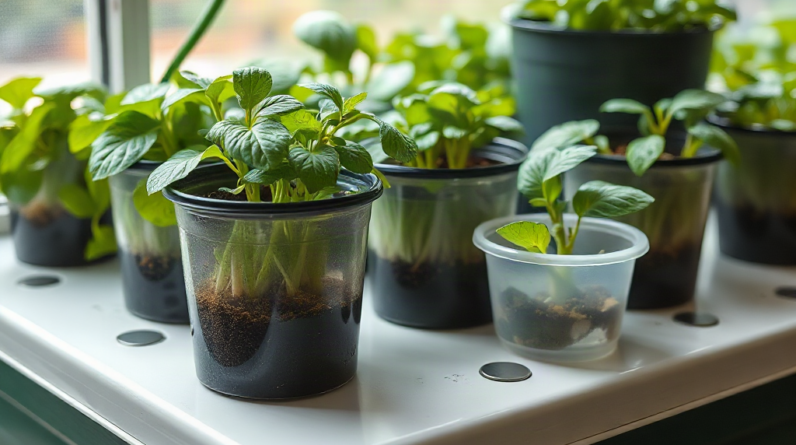
Durable equipment should match the task, exposure, and cleaning routine. Reusable propagation trays made from rigid, washable material can replace thin cell packs, especially when seedlings are started on a predictable schedule. Silicone bands, washable plant clips, and sturdy twist ties can replace disposable ties, provided they do not constrict stems or carry residue from one crop to another. A slate, plastic-free tag, or laminated reusable label may serve better than writing on scraps of packaging.
Harvest handling offers a straightforward opportunity. A lidded, washable food container can replace disposable produce bags for greens moving from the grow area to the refrigerator. Use separate containers for unwashed harvest and ready-to-eat produce, and do not assume that a reusable container eliminates the need for routine cleaning. For nutrient concentrates, buying a larger refillable container may reduce packaging, but only if the product remains stable, the container is clearly labeled, and spills can be controlled.
Some plastic components are worth keeping because durability and cleanability matter more than avoiding plastic at any cost. A rigid, opaque, food-contact-appropriate reservoir may last through many seasons and resist algae better than an improvised metal or glass substitute. Glass can be heavy and breakable; metal may corrode or react with acidic solutions; wood absorbs moisture and is difficult to sanitize. The better comparison is not plastic versus non-plastic in isolation, but disposable versus durable, cleanable, and appropriately selected.
Prioritize replacements in this order:
- Eliminate unnecessary packaging and disposable harvest bags.
- Use durable trays, labels, clips, and storage containers.
- Buy inputs in sizes that match actual consumption rather than chasing oversized packages.
- Replace root-zone components only when the alternative is safe, cleanable, and compatible with the system.
A useful internal reference is reusable propagation and harvest equipment, because those changes affect routine handling without requiring a full system rebuild.
Cleaning, Sanitation, and Material Safety
Reuse succeeds only when equipment remains cleanable and structurally sound. Wash containers, trays, clips, and tools after use with a method suitable for the material and the garden’s sanitation needs. Remove roots, mineral scale, and organic residue before sanitizing; residue can shield microorganisms and make a visually clean item unreliable. Rinse thoroughly when cleaning products could leave residues that contact plants or nutrient solution.
Inspect every reusable item under good light. Cracks, deep scratches, cloudy surfaces, swollen seams, and softened tubing can trap residue or leak. Flexible tubing deserves particular attention because its interior cannot always be inspected easily. Replacing a worn section is preferable to extending its life until a leak floods a shelf or interrupts circulation.
Material safety also requires restraint. Do not repurpose containers that held pesticides, solvents, automotive fluids, or unknown chemicals. Keep nutrient concentrates in clearly marked containers designed to tolerate the product, and never rely on a reused food container if its previous contents could cause confusion. “BPA-free” or “recyclable” labeling alone does not establish that a product is appropriate for concentrated nutrients, warm solutions, or prolonged contact with roots.
For a home system, create a simple cleaning station with a brush sized for channels, a drying rack, and labeled storage for clean components. Let items dry fully before stacking them. The common failure is storing damp trays in a closed bin, where odor and residue develop before the next planting. Reusable does not mean maintenance-free; it means the item earns its environmental cost across repeated, safe uses.
A Practical Reduction Plan for Home Systems
A staged plan limits expense and prevents disruption to crops. Begin by measuring what is actually discarded, then select one high-volume item and one easy substitution. For example, a grower might replace disposable harvest bags with two washable containers during the first cycle, then move to reusable seedling trays after confirming that the chosen tray fits the propagation shelf and drains properly.
Use this four-part workflow:
- Count: list disposable items used per crop cycle and note their purchase price.
- Classify: separate packaging, clean handling items, and components exposed to solution or roots.
- Test: trial one durable substitute for a complete cycle, including cleaning and storage.
- Review: keep the change if it reduces waste without creating leaks, contamination concerns, crop losses, or unreasonable labor.
Timing matters. Make changes between crops when the reservoir is empty and the growing area can be cleaned. Avoid testing unfamiliar fittings during a week when plants are already stressed or when a leak would threaten valuable plants. A reusable tray that drains too slowly may cause weak seedlings, while a cloth tie that stays wet may introduce a different maintenance problem.
Budget also shapes the right choice. A durable tray may cost more than several thin packs at first, but the comparison should include replacement frequency, cleaning time, shipping, and failure consequences. Conversely, an expensive “eco” accessory is not automatically worthwhile if it performs the same job as a container already owned. The practical goal is fewer discarded items per harvest, not a perfect equipment makeover.
Readers comparing system layouts can also use hydroponic system maintenance choices to check whether a proposed substitution complicates access, drainage, inspection, or emergency repairs.
Tradeoffs, Recycling, and Long-Term Maintenance
Waste reduction includes extending the useful life of equipment and managing unavoidable waste responsibly. Repair a fitting when the repair remains reliable, but do not patch a cracked reservoir or use tape as a permanent solution for a pressurized line. Durable parts should be stored away from sunlight and heat when possible, since ultraviolet exposure and temperature swings can make some plastics brittle.
Recycling is more complicated than placing every item in a household bin. Local programs differ by resin type, size, cleanliness, and whether flexible films are accepted. Empty and clean packaging according to local instructions, separate films when a suitable collection route exists, and do not place hydroponic components in recycling merely because a recycling symbol appears on them. Mixed materials, tubing, foam, and heavily soiled items may require different handling or may not be accepted.
A reasonable garden standard is to keep a replacement log. Write down when tubing, trays, clips, and reservoirs enter service, then note cracks, odors, leaks, or cleaning difficulty. This prevents two opposite mistakes: discarding serviceable equipment too early and keeping compromised parts because they appear reusable. If a supposedly durable item fails quickly, choose a simpler design rather than buying another version of the same product.
The measure of success is operational as well as environmental. Fewer bags, packs, and broken accessories should leave the garden, while plant care remains dependable and sanitation remains manageable. Reduce first, reuse when safe, repair selectively, and recycle according to local rules. That sequence avoids both disposable convenience and poorly considered substitutions.
For disposal and recycling decisions, consult your local waste authority’s current guidance, especially for flexible films, nutrient containers, tubing, and mixed-material products. Material and food-contact questions should be checked against manufacturer documentation rather than inferred from appearance or a recycling symbol.
Frequently Asked Questions
What should a hydroponic gardener replace first?
Start with frequently discarded packaging, harvest bags, labels, and thin propagation trays. These changes usually require less technical modification than replacing reservoirs, pumps, or root-zone parts.
Can hydroponic plastic pots be reused?
Yes, if they remain intact and can be thoroughly cleaned and sanitized. Discard pots with cracks, deep scratches, persistent residue, or surfaces that cannot be inspected properly.
Is glass better than plastic for nutrient storage?
Not automatically. Glass may be chemically suitable but is heavy and breakable. Choose a clearly labeled, durable container compatible with the nutrient product and easy to store safely.
How can reusable equipment avoid spreading problems between crops?
Remove organic residue, wash and sanitize according to the material, rinse when appropriate, dry completely, and inspect before storage. Keep clean components separate from used ones.
Should all hydroponic plastic be recycled?
No. Recycling acceptance varies by location and material. Follow local instructions, separate accepted films, and keep contaminated or mixed-material components out of collection bins when required.
Conclusion
A lower-plastic hydroponic garden is built through repeated operational choices rather than a single replacement product. Audit the waste created by each crop cycle, remove unnecessary packaging, and test durable trays, labels, clips, storage containers, and harvest vessels where cleaning is straightforward. Keep long-lasting reservoirs and fittings when they are appropriate, intact, and easier to manage than substitutes. Sanitation, inspection, and correct disposal matter as much as the material name. A practical next move is to choose one disposable item used every week, trial a reusable alternative for a full cycle, and record waste, labor, crop handling, and failures. Retain changes that reduce discarded material without weakening food handling, system reliability, or maintenance discipline.