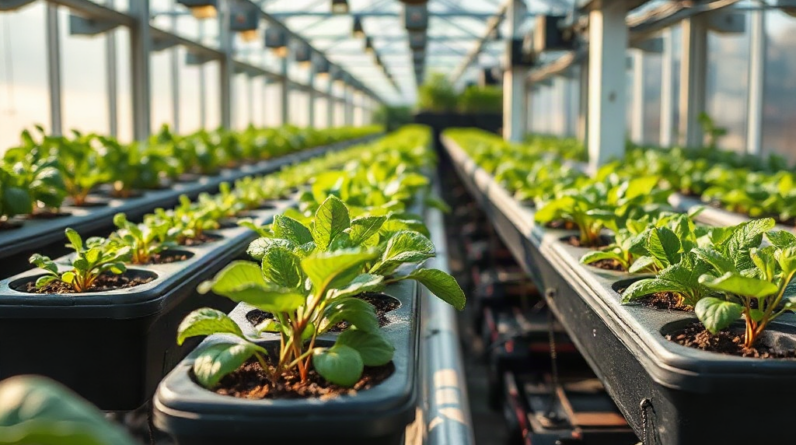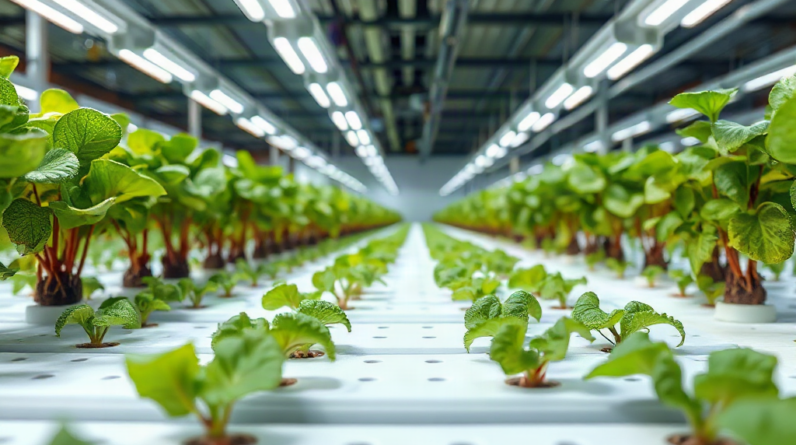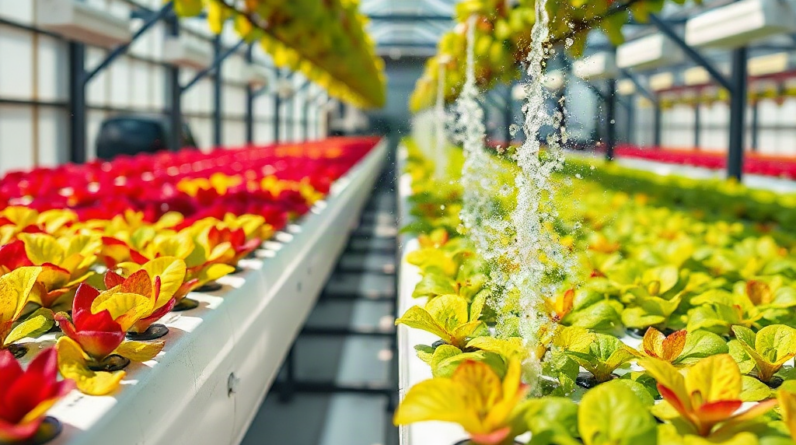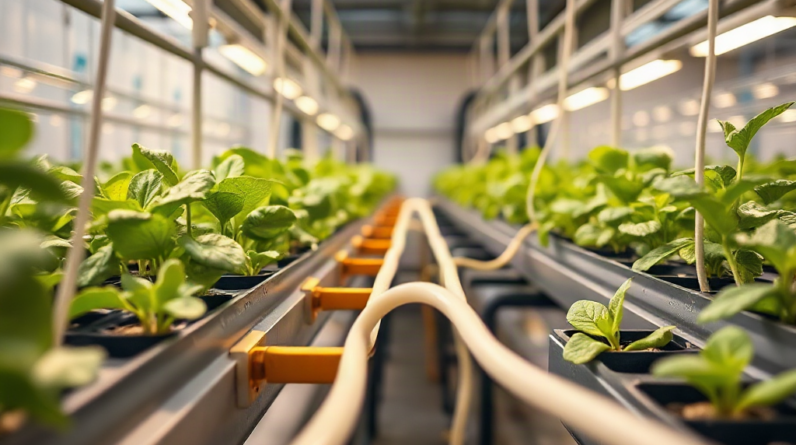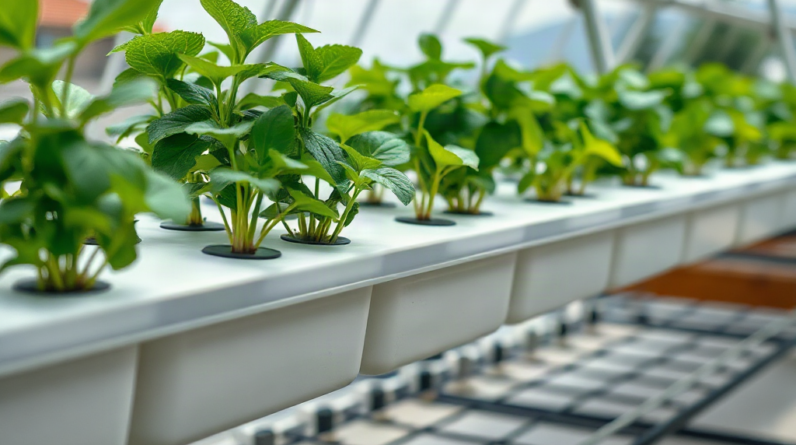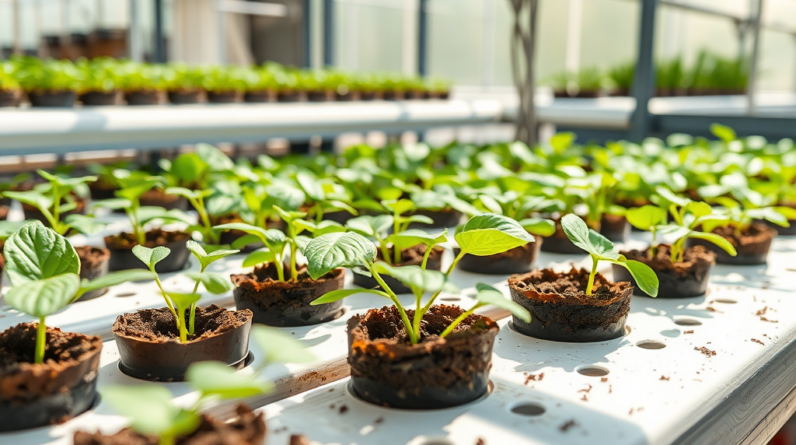
Hydroponic germination techniques are essential for successfully sprouting seeds in a soilless environment. To enhance germination rates, use seedling trays filled with a suitable medium, such as rock wool or coconut coir, and maintain optimal moisture levels by misting the seeds regularly. It's crucial to monitor temperature and humidity closely, as fluctuations can lead to issues like damping off. Implementing a humidity dome can create a microclimate that retains moisture, further supporting seedling development. By tailoring these conditions to the specific needs of your seeds, you can significantly improve the chances of healthy, robust growth.
Understanding Hydroponic Germination
Hydroponic germination refers to the process of sprouting seeds in a nutrient-rich water solution instead of soil. This method allows for controlled environmental conditions, which can lead to quicker and more uniform seedling development. The absence of soil minimizes the risk of soil-borne diseases, making it easier to manage plant health. Additionally, hydroponic systems can utilize various mediums like rock wool or coconut coir to support seedlings during their early growth stages.
The key to successful hydroponic germination lies in understanding how seeds absorb moisture and what conditions they need to thrive. Factors such as temperature, humidity, and light play crucial roles in the germination process. By creating an ideal environment tailored to the specific needs of the seeds being germinated, growers can enhance the chances of successful sprouting.
Key Techniques for Successful Germination
Several techniques can improve germination rates in hydroponic systems. One effective method is using seedling trays filled with a suitable growing medium, such as a soilless mix or hydroponic cubes. These trays should be placed in a controlled environment, where factors like temperature and humidity can be easily monitored.
Maintaining optimal moisture levels is critical. Overwatering can lead to root rot, while underwatering can hinder germination. A common practice is to mist the seeds with a fine spray to keep the medium moist without saturating it. Additionally, using a humidity dome can help create a microclimate that retains moisture around the seeds, promoting faster germination.
Light exposure is another essential element. Most seeds require light to germinate, but the intensity and duration can vary. Using grow lights set at the appropriate distance from the seedlings ensures they receive adequate light without causing heat stress.
Common Mistakes in Hydroponic Germination
One significant mistake many growers make is not providing enough warmth for seed germination. Most seeds thrive in temperatures between 70°F and 80°F (21°C to 27°C). Insufficient heat can delay or prevent germination altogether. Conversely, temperatures that are too high can lead to poor seedling development.
Another common error is failing to monitor humidity levels. Seeds need consistent moisture, and fluctuations can lead to poor germination rates. Growers should regularly check humidity levels and adjust as necessary, ensuring that conditions remain stable.
Finally, overcrowding seeds in trays can lead to competition for resources and increase the risk of disease. Spacing seeds adequately allows each plant to access light, nutrients, and airflow, promoting healthy growth.
Monitoring Conditions for Optimal Growth
After germination, it is crucial to continue monitoring environmental conditions to support the healthy growth of seedlings. Regularly checking the pH and nutrient levels of the solution is essential, as imbalances can lead to nutrient deficiencies or toxicities.
Temperature control should remain a priority. As seedlings grow, they may require different light and temperature settings compared to their germination phase. Adjusting the light cycle to mimic natural daylight can help seedlings transition smoothly into the vegetative phase.
Lastly, keeping an eye on pests and diseases is vital. Even in a hydroponic setup, seedlings can be susceptible to pests like aphids or fungal infections. Implementing an integrated pest management (IPM) strategy can help protect young plants and ensure a healthy growing environment.
Frequently Asked Questions
What is the best medium for hydroponic germination?
Rock wool and coconut coir are popular choices as they provide good moisture retention and aeration.
How do I prevent damping off in seedlings?
Maintain proper airflow, avoid overwatering, and ensure adequate light to reduce the risk of damping off.
Can I use regular soil for hydroponic germination?
Using regular soil is not recommended as it can introduce pathogens and impede the hydroponic process.
How often should I check the nutrient solution?
It's advisable to check the nutrient solution every few days to ensure proper pH and nutrient levels.
What temperature is ideal for germinating seeds?
Most seeds germinate best at temperatures between 70°F and 80°F (21°C to 27°C).
Further Reading
Authoritative Sources
- USDA National Institute of Food and Agriculture
nifa.usda.govResearch and extension resources related to agriculture, plants, soil, and food systems
- Extension Foundation Gardening Resources
extension.orgUniversity extension education resources for practical gardening and home agriculture topics
- USDA Natural Resources Conservation Service
nrcs.usda.govSoil, water, conservation, and land management resources for practical growing decisions
Conclusion
Successfully germinating seeds in a hydroponic system requires attention to environmental conditions, careful monitoring, and the right techniques. By understanding the needs of your seeds and avoiding common pitfalls, you can enhance your chances of achieving robust seedlings. Prioritize maintaining optimal temperature, humidity, and moisture levels to support healthy growth, and stay vigilant against potential issues. With the right approach, hydroponic germination can lead to thriving plants and a productive garden.