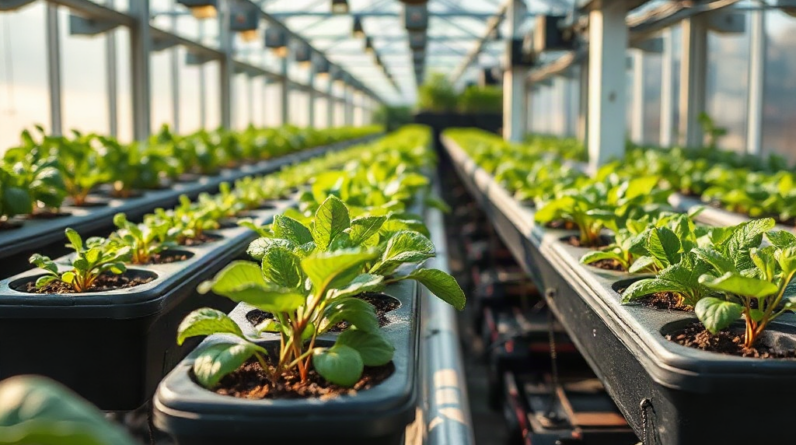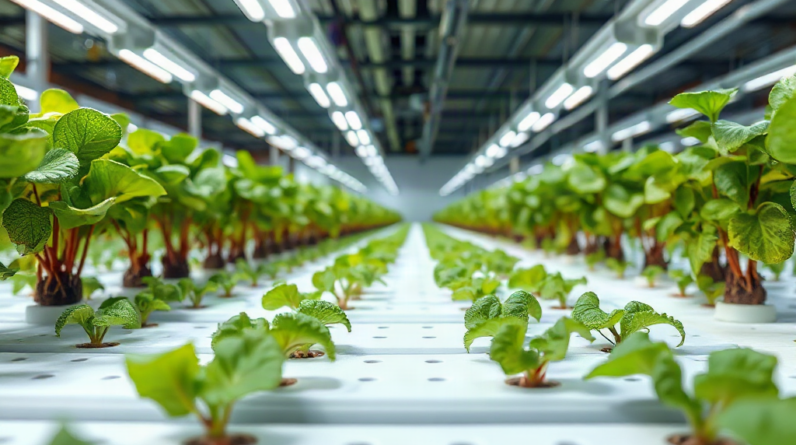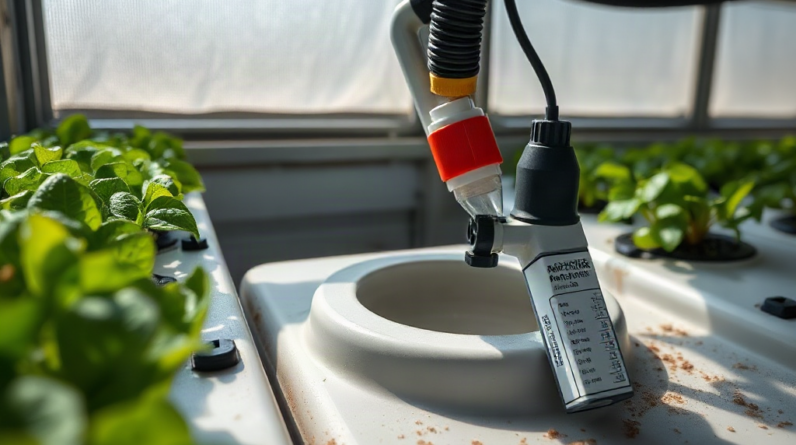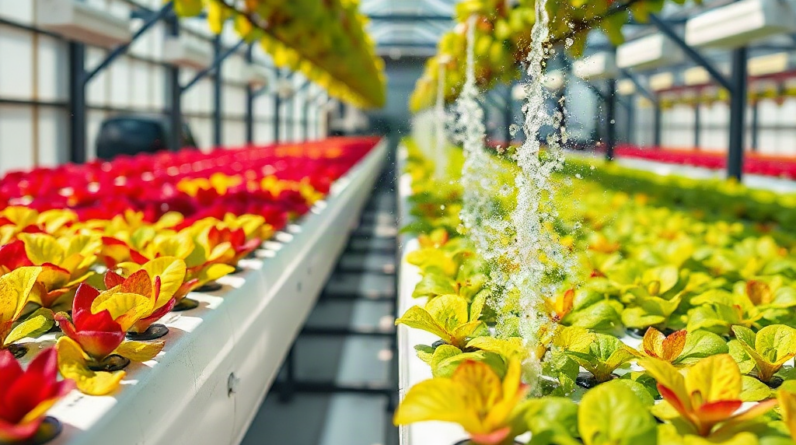
A hydroponic irrigation system is a soil-free method for cultivating plants using nutrient-rich water. Essential components include water pumps that circulate the nutrient solution, which is vital for plant growth, and delivery systems like drip lines that ensure efficient distribution. Implementing effective methods such as drip irrigation can significantly enhance nutrient absorption while minimizing water waste. It's crucial to monitor the nutrient solution's composition regularly to prevent deficiencies or imbalances that could hinder plant development. By understanding these elements, growers can optimize their hydroponic setups for better yields and healthier plants.
Understanding Hydroponic Irrigation Systems
A hydroponic irrigation system allows for the cultivation of plants in a nutrient solution rather than soil. This method is increasingly popular due to its efficiency and ability to produce high yields in limited space. Hydroponics eliminates many soil-borne diseases, reduces the need for pesticides, and conserves water compared to traditional farming methods. Understanding the mechanics behind hydroponic systems is crucial for successful gardening, as it involves managing water, nutrients, and light exposure effectively.
Hydroponic systems can vary widely in design and complexity, but they all share the common goal of promoting healthy plant growth. The choice of system often depends on the type of plants being grown and the available resources. Whether you are a hobbyist or a commercial grower, grasping the fundamental principles of hydroponic irrigation is essential for achieving optimal results.
Key Components of Hydroponic Irrigation
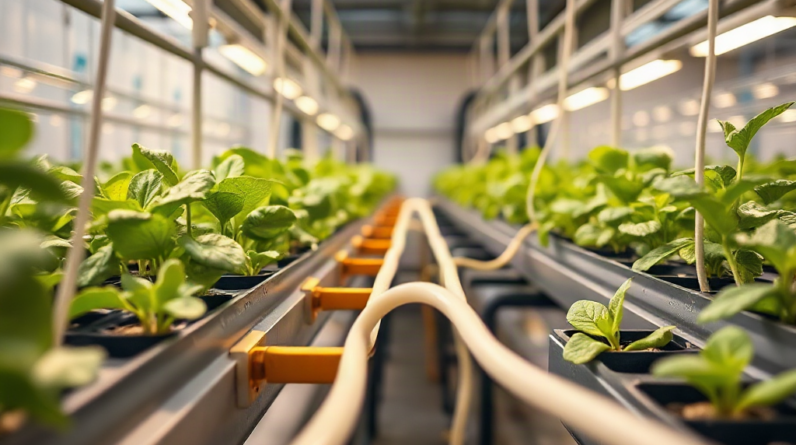
The effectiveness of a hydroponic irrigation system relies on several key components: water pumps, nutrient solutions, and delivery systems. Water pumps are responsible for circulating the nutrient solution to the plants, ensuring they receive adequate hydration and nutrients. The nutrient solution is a mixture of water and essential minerals that plants need for growth, making it a critical element in hydroponic gardening.
Delivery systems, such as drip lines and flood trays, play a vital role in distributing the nutrient solution to the plants. Drip irrigation, for instance, allows for precise control over water and nutrient delivery, minimizing waste and maximizing efficiency. Understanding how to select and maintain these components can significantly impact the success of your hydroponic garden.
Effective Irrigation Methods
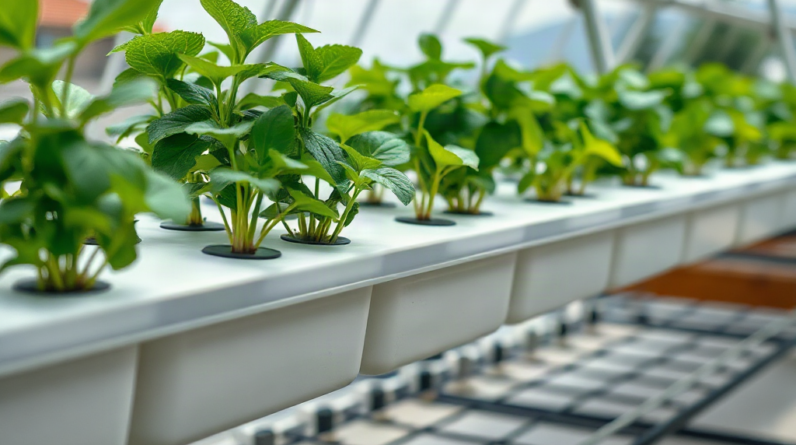
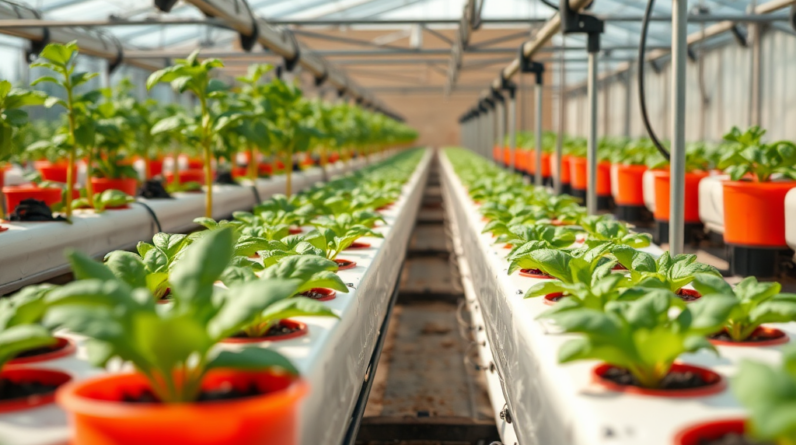
Several irrigation methods can be employed in hydroponic systems, each with its advantages. Nutrient Film Technique (NFT) involves a thin film of nutrient solution flowing over the roots, providing them with both water and nutrients. This method is efficient and minimizes water usage, making it ideal for large-scale operations.
Another popular method is Deep Water Culture (DWC), where plant roots are submerged in a nutrient-rich oxygenated solution. This method promotes rapid growth due to the constant availability of nutrients and oxygen. Selecting the right irrigation method depends on your specific gardening goals, available space, and the types of plants being cultivated.
Common Mistakes to Avoid
When setting up a hydroponic irrigation system, several common mistakes can hinder success. One major issue is neglecting to monitor the nutrient solution’s pH and electrical conductivity (EC), which can lead to nutrient deficiencies or toxicities. Regular testing and adjustments are crucial for maintaining optimal growing conditions.
Additionally, improper lighting can affect plant growth. Hydroponics often relies on artificial lighting, and it’s essential to provide the right spectrum and intensity for the specific plants being grown. Understanding these factors and regularly checking system components can help avoid costly mistakes and ensure a thriving hydroponic garden.
Frequently Asked Questions
What is a hydroponic irrigation system?
A hydroponic irrigation system is a method of growing plants without soil, using nutrient-rich water to provide essential elements directly to the roots.
How does a hydroponic system save water?
Hydroponic systems use significantly less water than traditional farming because they recirculate nutrient solutions, minimizing waste and evaporation.
What are the most common types of hydroponic systems?
Common types include Nutrient Film Technique (NFT), Deep Water Culture (DWC), and Aeroponics, each offering unique advantages for different growing conditions.
Can I use tap water in my hydroponic system?
Tap water can be used, but it's essential to test its pH and mineral content, as contaminants can affect plant growth.
What plants grow best in hydroponic systems?
Leafy greens like lettuce, herbs such as basil and mint, and strawberries are some of the easiest and most successful plants to grow hydroponically.
Further Reading
Authoritative Sources
- USDA Hydroponics Resource
usda.govThis resource provides comprehensive information about hydroponic systems, including best practices and regulatory guidelines.
- National Agricultural Library
nal.usda.govAccess research and publications related to hydroponic technology and practices.
- University Extension Services
extension.orgFind educational materials and resources on hydroponic gardening from various university extensions.
Further Reading
Authoritative Sources
- USDA National Institute of Food and Agriculture
nifa.usda.govResearch and extension resources related to agriculture, plants, soil, and food systems
- Extension Foundation Gardening Resources
extension.orgUniversity extension education resources for practical gardening and home agriculture topics
- USDA Natural Resources Conservation Service
nrcs.usda.govSoil, water, conservation, and land management resources for practical growing decisions
Conclusion
Establishing a hydroponic irrigation system can lead to impressive plant growth and resource efficiency. Understanding the key components, effective methods, and common pitfalls is essential for success. Regular monitoring and adjustments will ensure your system operates at peak performance. Start small, experiment with different methods, and enjoy the benefits of hydroponic gardening.