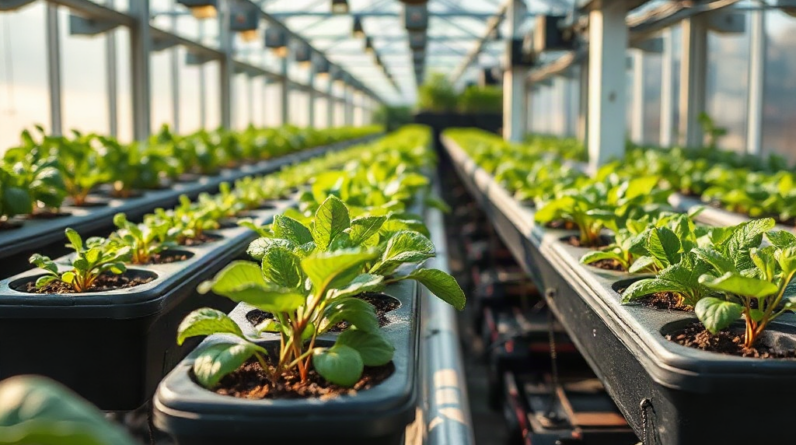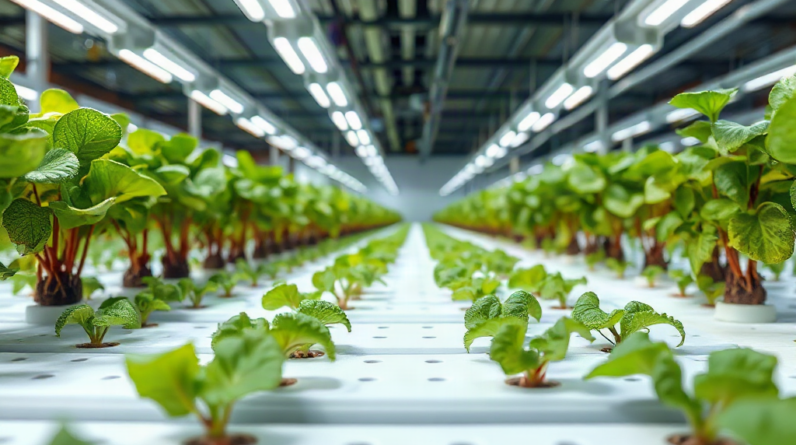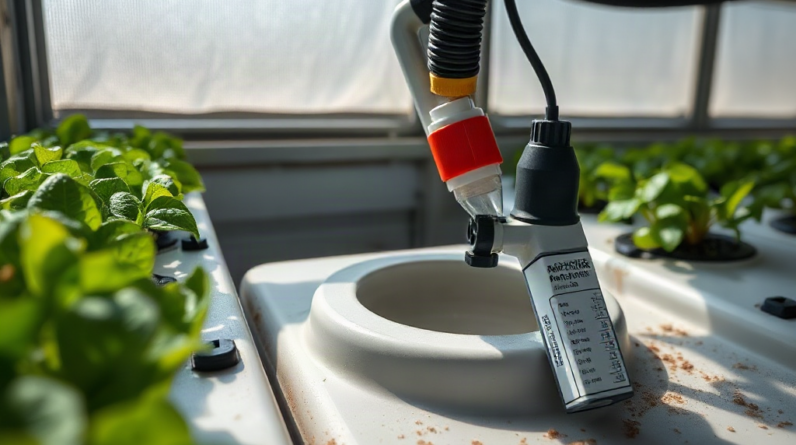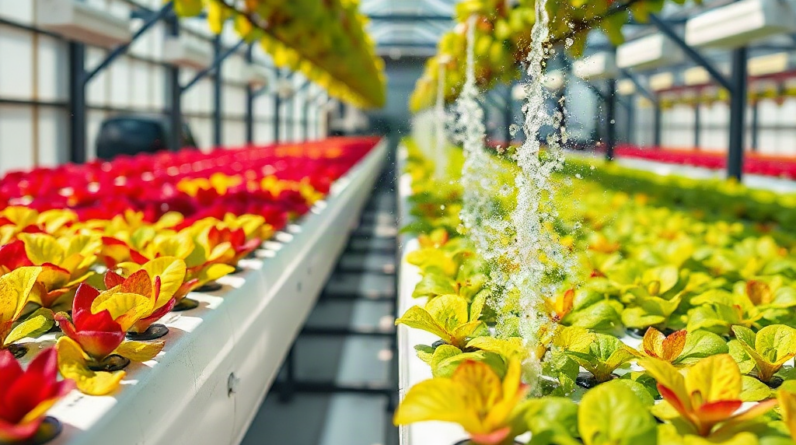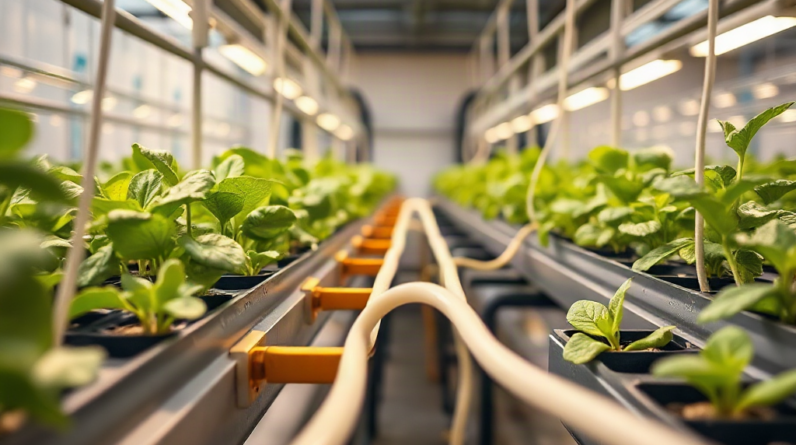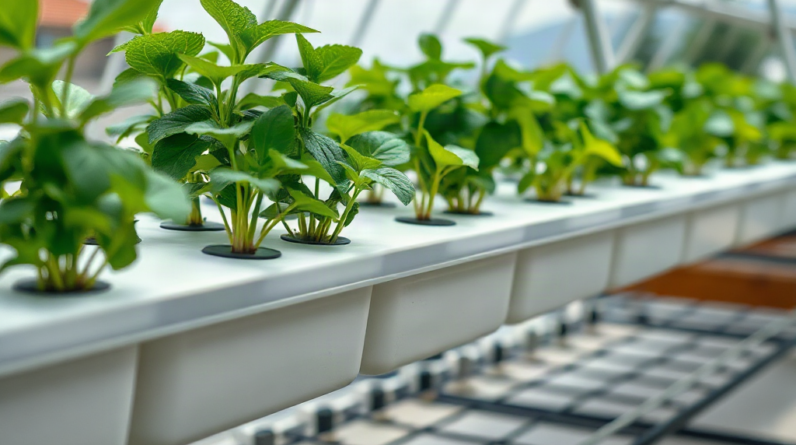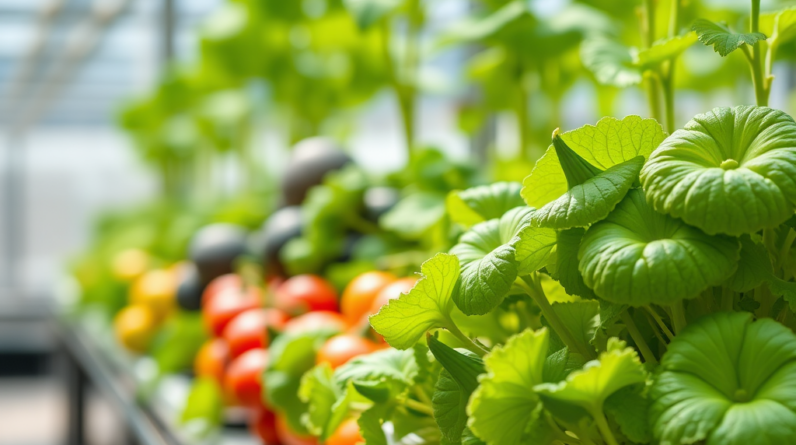
A hydroponic light schedule is critical for maximizing plant growth, typically involving 12-16 hours of light followed by 8-12 hours of darkness. This cycle supports healthy development and flowering, mimicking natural sunlight patterns. It's essential to tailor the light duration based on the specific needs of your plants, as different species and growth stages require varying levels of light exposure. One common mistake is failing to maintain a consistent schedule, which can lead to stunted growth or poor yields. Regularly monitoring plant responses and adjusting the light schedule accordingly can significantly enhance your hydroponic garden's productivity.
Understanding Hydroponic Light Requirements
Hydroponic systems rely heavily on artificial lighting, especially in indoor setups where natural sunlight is limited. Understanding the specific light requirements of your plants is crucial for their growth. Different plants have varying light intensity and duration needs, which can be influenced by their growth stage. For instance, seedlings may require less light than mature plants, while flowering plants often need increased exposure to promote blooming.
The spectrum of light is also vital; plants mainly utilize blue and red wavelengths for photosynthesis. Using LED lights that provide a full spectrum can enhance growth rates and overall health. Additionally, the placement of lights can affect how evenly plants receive illumination, so positioning lights at the correct height to prevent shadowing is essential.
Developing an Effective Light Schedule
Creating a light schedule involves determining the optimal light duration based on your plant’s specific needs. Most hydroponic plants thrive on a cycle of 12-16 hours of light per day, followed by a dark period of 8-12 hours. This cycle mimics natural sunlight patterns, promoting healthy growth and flowering.
To develop an effective light schedule, consider the following steps:
- Identify the type of plants you are growing and their specific light needs.
- Set timers to automate light cycles, ensuring consistency in exposure.
- Monitor plant responses and adjust the schedule as necessary based on growth observations.
By adhering to these principles, you can maximize the efficiency of your hydroponic system and improve crop yields.
Common Mistakes in Light Scheduling
Many hydroponic growers encounter pitfalls when establishing their light schedules. One common mistake is providing inconsistent light durations, which can stress plants and lead to poor growth. Another issue is using the wrong light spectrum; for instance, relying solely on white light may not deliver the necessary wavelengths for optimal photosynthesis.
Additionally, overexposing plants to light can cause photodamage, while underexposure can lead to stunted growth. It’s essential to regularly assess your plants’ health and adjust the light schedule accordingly. Keeping track of environmental conditions such as temperature and humidity is also important, as these factors can influence how plants interact with light.
Monitoring and Adjusting Light Conditions
Successful hydroponic gardening requires ongoing monitoring of light conditions. Regularly check the intensity and duration of light exposure your plants receive. Using a light meter can help you gauge the effectiveness of your setup and make necessary adjustments.
As plants grow and change, their light requirements may shift. For instance, transitioning from vegetative to flowering stages may necessitate changes in light duration or intensity. Being proactive in adjusting your light schedule not only enhances plant health but also optimizes yield potential.
Frequently Asked Questions
How long should I keep my lights on for hydroponic plants?
Most hydroponic plants benefit from 12-16 hours of light daily, depending on their growth stage.
What type of lights are best for hydroponics?
LED grow lights are often recommended for their efficiency and ability to provide a full spectrum of light.
Can I use natural sunlight for my hydroponic system?
Yes, but ensure that plants receive adequate light consistently; supplemental artificial lighting may still be needed.
What happens if my plants receive too much light?
Excessive light can lead to photodamage, causing leaves to burn or become discolored.
How can I tell if my plants are getting enough light?
Healthy plants should have vibrant leaves and steady growth; yellowing or leggy growth may indicate insufficient light.
Conclusion
Establishing a proper hydroponic light schedule is crucial for maximizing plant growth and yield. By understanding the specific light requirements of your plants, developing an effective schedule, and avoiding common pitfalls, you can create a thriving hydroponic environment. Regular monitoring and adjustments based on plant responses will ensure your system remains efficient and productive.