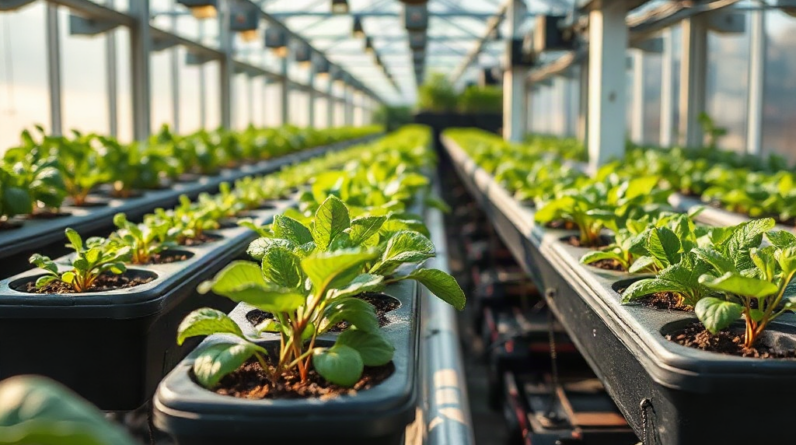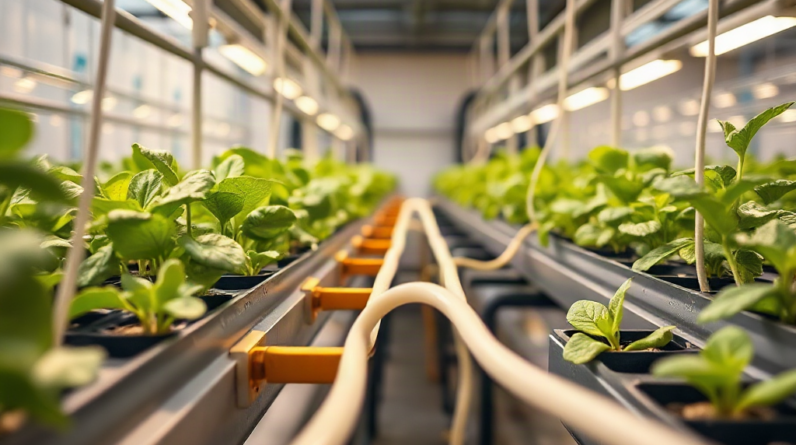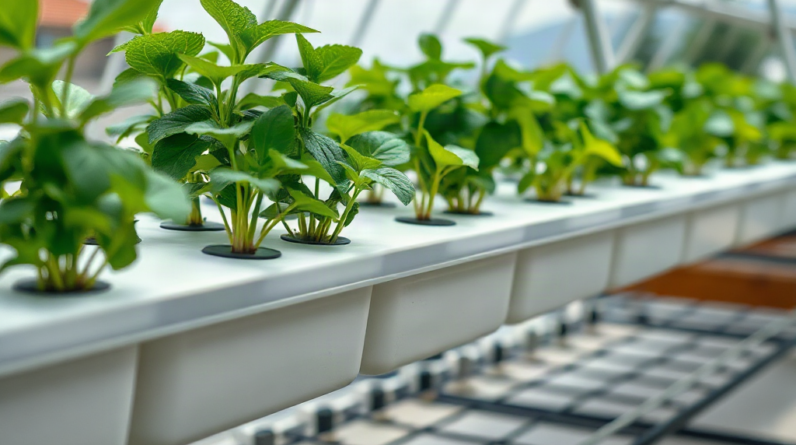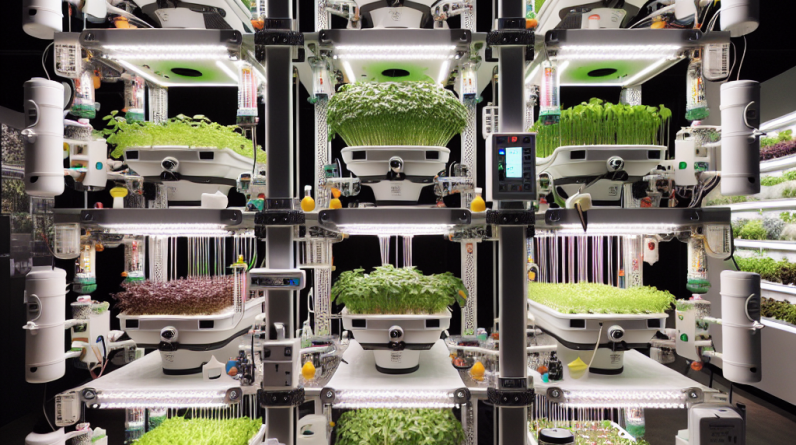
Hydroponic micro-greens growing allows for the cultivation of flavorful and nutritious young plants without soil. To achieve optimal results, focus on selecting fast-growing seed varieties like arugula and basil, which thrive in hydroponic systems. Proper lighting is essential; using full-spectrum LED lights positioned appropriately can prevent leggy growth and enhance flavor. Additionally, maintaining a balanced water and nutrient solution is crucial, as overwatering can lead to poor growth and diminished taste. Avoid common pitfalls such as inadequate light exposure and improper seed selection to ensure a successful harvest.
Choosing the Right Seeds for Hydroponic Micro-Greens
Selecting the right seeds is crucial for successful hydroponic micro-greens growing. Popular choices include arugula, basil, and radish, which offer distinct flavors and nutritional benefits. When choosing seeds, consider the growth rate and flavor profile; faster-growing varieties can yield quicker harvests, while flavor intensity can enhance culinary dishes. Additionally, ensure seeds are sourced from reputable suppliers to avoid issues with germination and contamination.
Another important factor is seed variety adaptability to hydroponic systems. Some seeds thrive better in water-based environments than others, which can affect overall yield and quality. For instance, leafy greens like kale and mustard are known for their robust growth in hydroponic setups, making them excellent candidates for beginners. Always check germination rates and specific requirements for each seed type to ensure optimal growth.
Essential Lighting Techniques for Micro-Greens Growth
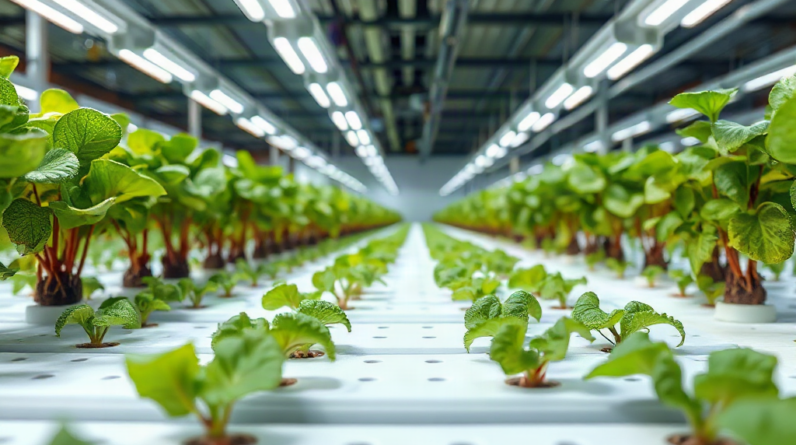
Lighting plays a vital role in the growth of hydroponic micro-greens, influencing photosynthesis and overall health. For best results, utilize full-spectrum LED grow lights, which provide the necessary wavelengths for optimal plant growth. Positioning the lights 12-24 inches above the micro-greens can prevent leggy growth, ensuring plants remain compact and robust. Adjusting the light cycle to 12-16 hours of light per day can also enhance growth rates and flavor profiles.
Moreover, it’s essential to monitor the light intensity and duration, as excessive light can lead to stress and hinder growth. Regularly rotating your trays can ensure even light distribution, promoting uniform growth across all plants. New growers should experiment with different lighting setups to find the most effective configuration for their specific micro-greens.
Water and Nutrient Management in Hydroponics
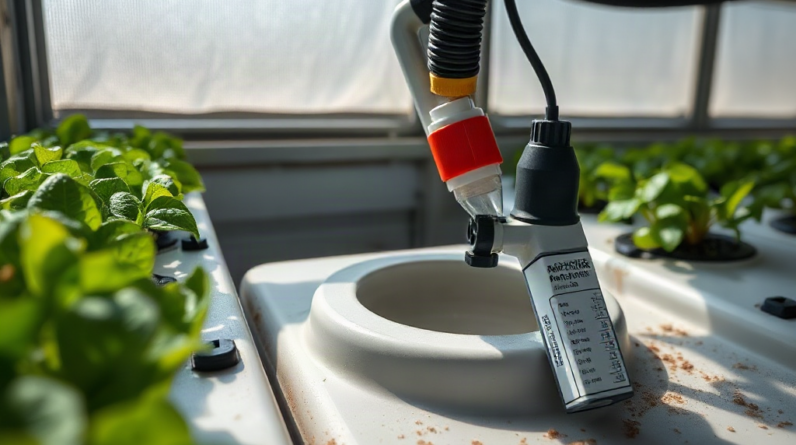
Effective water and nutrient management is key to hydroponic micro-greens growing. The nutrient solution should contain essential elements such as nitrogen, phosphorus, and potassium, which are vital for plant health. Regularly testing the pH levels of the nutrient solution, ideally between 5.5 and 6.5, can ensure optimal nutrient uptake. Over- or under-fertilization can lead to poor growth and nutrient deficiencies.
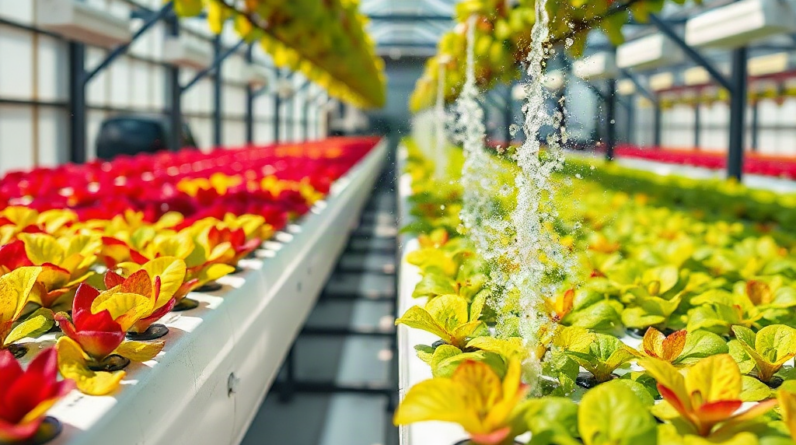
Watering practices should also be optimized; micro-greens require consistent moisture but should not be waterlogged. Using a drip irrigation system or a misting method can help maintain the right moisture levels while preventing root rot. Monitoring the moisture content and adjusting watering frequency based on environmental conditions will lead to healthier, more flavorful micro-greens.
Common Mistakes in Hydroponic Micro-Greens Growing
Even experienced growers can encounter challenges when cultivating hydroponic micro-greens. One common mistake is neglecting light requirements, leading to weak and leggy plants. Additionally, overwatering can create a damp environment conducive to mold growth, while underwatering can stunt growth. Understanding the specific needs of each micro-green variety can help mitigate these issues.
Another frequent error is improper nutrient management. New growers may either over-fertilize, resulting in nutrient burn, or under-fertilize, leading to deficiencies. Regular monitoring of plants and nutrient solutions can help identify and correct these problems. Awareness of these common pitfalls can lead to a more successful and rewarding hydroponic micro-greens growing experience.
Frequently Asked Questions
What are the best seeds for hydroponic micro-greens?
Popular seeds include arugula, basil, and radish for their fast growth and flavor.
How much light do hydroponic micro-greens need?
Micro-greens typically require 12-16 hours of light daily for optimal growth.
How often should I water my micro-greens?
Watering frequency depends on environmental conditions, but consistency is key to prevent overwatering.
What nutrients do micro-greens need?
Essential nutrients include nitrogen, phosphorus, and potassium, typically found in hydroponic nutrient solutions.
How can I prevent mold in my hydroponic system?
Ensure proper air circulation, avoid overwatering, and maintain appropriate humidity levels to prevent mold growth.
Further Reading
Authoritative Sources
- USDA Hydroponics Resources
usda.govProvides official guidelines and resources for hydroponic farming practices
- NIH Nutrition Research
ncbi.nlm.nih.govResearch articles on the nutritional benefits of micro-greens
- University Extension Services
extension.orgOffers educational materials on hydroponic growing techniques and plant care
Conclusion
Hydroponic micro-greens growing offers a flavorful and nutritious addition to any diet, but success hinges on careful attention to seed selection, lighting, and nutrient management. By avoiding common pitfalls such as overwatering and neglecting light needs, growers can cultivate vibrant, healthy micro-greens. Prioritizing these elements will lead to a rewarding hydroponic gardening experience.