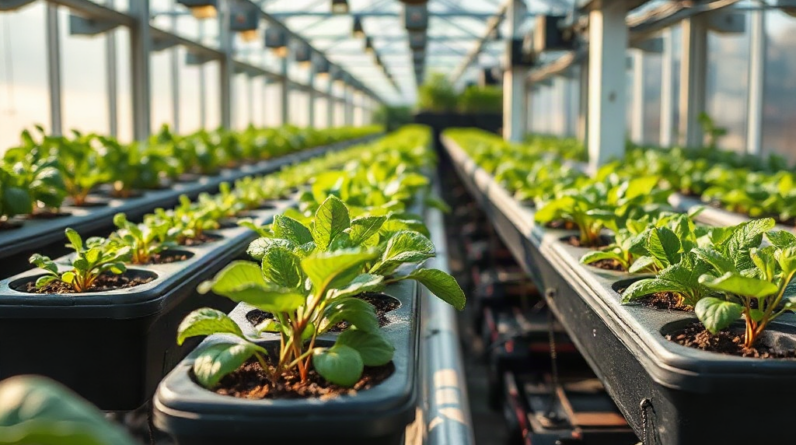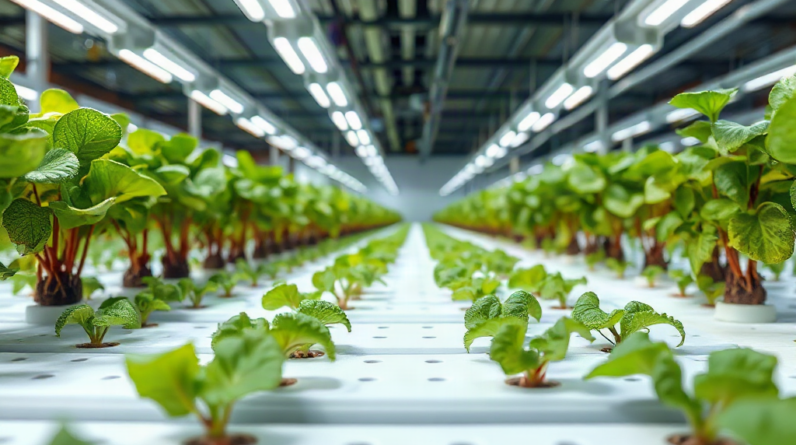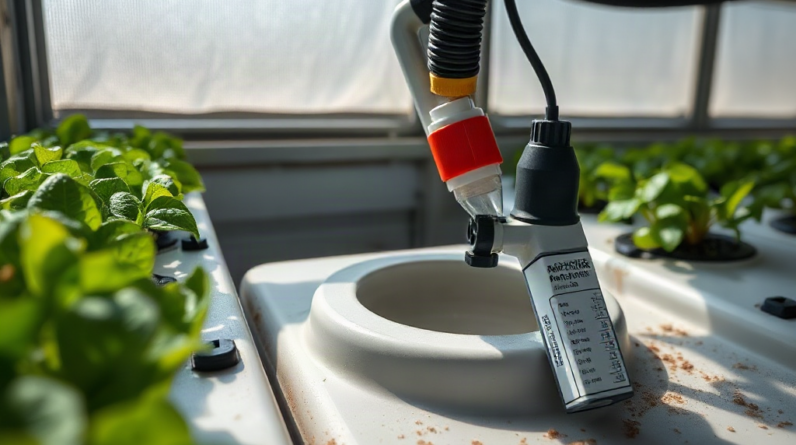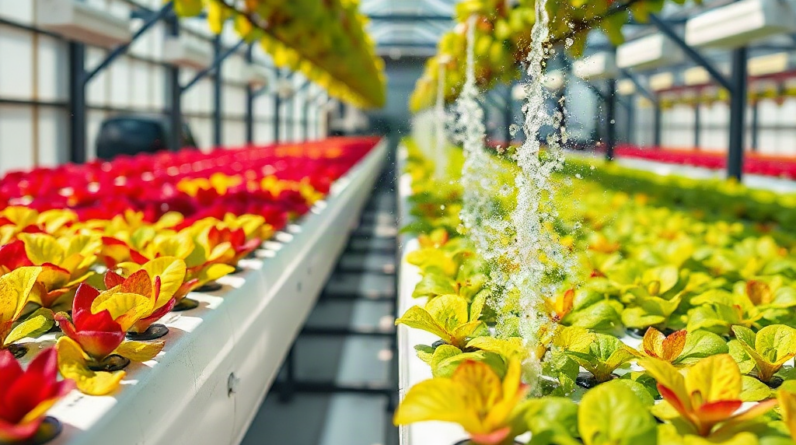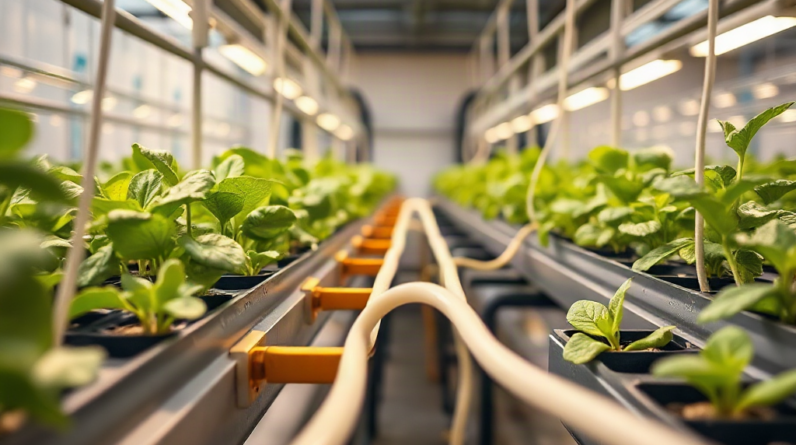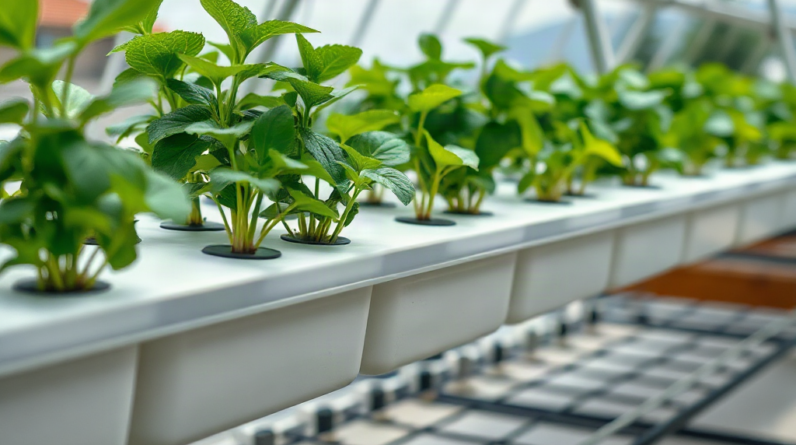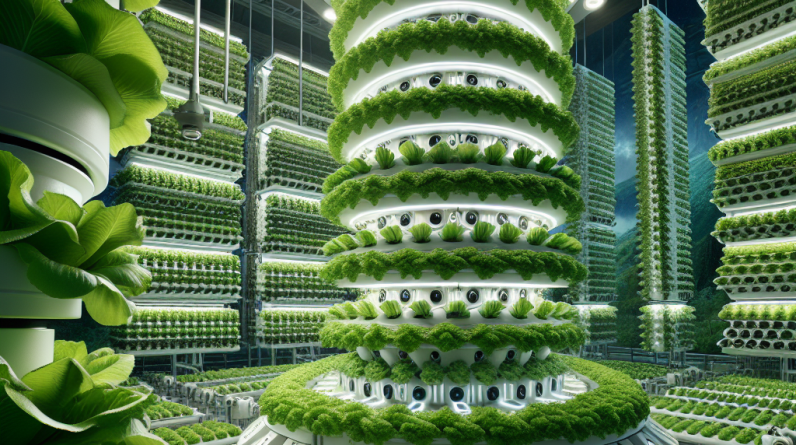
Hydroponic oxygenation techniques are vital for ensuring robust root development in soilless gardening. Effective methods include using air stones to create bubbles in the nutrient solution, which enhances oxygen availability for roots. Additionally, employing aeration pumps can help maintain consistent oxygen levels, particularly in deep water culture systems. It's crucial to monitor oxygen levels regularly, as inadequate oxygen can lead to root rot and hinder plant growth. By understanding and implementing these techniques, growers can significantly improve plant health and yield.
The Importance of Oxygen in Hydroponics
Oxygen plays a critical role in the health of plants grown in hydroponic systems, particularly in root development. The roots require sufficient oxygen to perform cellular respiration, which directly influences nutrient uptake and overall plant vigor. Without adequate oxygen, plants can suffer from stunted growth and diseases like root rot, which can ultimately lead to crop failure. Understanding the oxygen requirements of your plants and implementing effective oxygenation techniques is essential for successful hydroponic gardening.
In hydroponics, the growing medium and system type can affect how oxygen is delivered to the roots. For instance, systems like deep water culture (DWC) are particularly reliant on oxygenation because the roots are submerged in water. On the other hand, systems that allow for better air exposure, such as aeroponics, may have different oxygenation needs. Growers must recognize the specific requirements of their chosen system to optimize oxygen availability.
Methods for Oxygenation
There are several effective methods for ensuring that your hydroponic system maintains optimal oxygen levels. One of the most popular techniques is the use of air stones or air diffusers, which introduce air bubbles into the nutrient solution. These bubbles increase the surface area for gas exchange, allowing for higher oxygen levels in the water. Additionally, aeration pumps can be used to maintain consistent oxygen levels, particularly in systems like DWC.
Another method involves enriching the nutrient solution with oxygen through the use of specialized devices like oxygen generators or oxygen tablets. These products can significantly enhance oxygen levels, ensuring that the roots receive the necessary amounts for healthy growth. Furthermore, nutrient film techniques (NFT) can also improve oxygenation by allowing the roots to be partially exposed to air while still receiving nutrients from a flowing film of water.
Common Mistakes in Oxygenation
One of the most common mistakes in hydroponics is neglecting the importance of oxygenation. Many growers focus solely on nutrient levels and pH, forgetting that oxygen is just as vital. Over-saturation of the nutrient solution can also lead to decreased oxygen levels, as water that is too dense can hinder gas exchange. It’s crucial to strike a balance between nutrient concentration and oxygen availability to avoid detrimental effects on plant health.
Another frequent error is using inadequate or poorly maintained aeration equipment. Air stones should be cleaned regularly to prevent algae buildup, which can block airflow and reduce efficiency. Additionally, failing to monitor oxygen levels can result in unanticipated plant stress. Implementing regular checks of dissolved oxygen levels in the nutrient solution can help prevent issues before they escalate.
Monitoring Oxygen Levels
Monitoring oxygen levels in your hydroponic system is essential for maintaining plant health. Various tools are available for measuring dissolved oxygen, including portable meters and test kits. Regularly checking these levels can help you understand how well your oxygenation methods are working and allow for timely adjustments if levels drop below optimal thresholds.
It’s also important to observe plant health closely. Signs of oxygen deficiency include yellowing leaves, wilting, and poor root development. If you notice these symptoms, it may be time to reevaluate your oxygenation techniques and make necessary changes to ensure your plants thrive.
Frequently Asked Questions
What is the best method for oxygenating hydroponic systems?
The best method often includes using air stones or diffusers connected to an aeration pump to introduce oxygen into the nutrient solution.
How often should I check the oxygen levels in my hydroponic system?
It's advisable to check oxygen levels regularly, at least once a week, or more frequently if you notice signs of plant stress.
Can I use regular aquarium air pumps for hydroponics?
Yes, aquarium air pumps can be effective for hydroponics, but ensure they are powerful enough to meet the oxygen needs of your plants.
What happens if my hydroponic system is not oxygenated properly?
Poor oxygenation can lead to root rot, nutrient deficiencies, and overall poor plant health, potentially resulting in crop failure.
Are there specific plants that require more oxygen in hydroponics?
Yes, certain plants with higher growth rates, like lettuce and herbs, may require more oxygen compared to slower-growing species.
Conclusion
Incorporating effective hydroponic oxygenation techniques is vital for ensuring healthy root development and overall plant growth. By employing methods such as air stones, monitoring oxygen levels, and avoiding common mistakes, growers can create an optimal environment for their plants. Regular checks and adjustments will help maintain the necessary oxygen levels, leading to thriving crops and successful hydroponic gardening.
Further Reading
Authoritative Sources
- The Zone of Aeration: Controlling the Hydroponic Root ...
hydronov.comThe answer is an inline oxygen diffuser. Pressurized oxygen is emitted from the diffuser as one-micron bubbles. Along with monitoring the ...
- Dissolved Oxygen in Hydroponics
waterprocess.comLearn how dissolved oxygen, temperature, salinity, and system design affect root-zone performance and water quality in commercial ...
- (PDF) A method for cultivating plants under controlled ...
researchgate.netOrganic matter, or an artificial reducing agent, must be added to a hydroponic solution to create a strong oxygen demand similar to that of flooded soils [36] , ...
- Anyone know about OXYGEN BOOSTING ur plants roots??
thcfarmer.comAn air stone under every plant is usually very effective, but will require a larger air pump. Models that will do from forty to four hundred ...