Maintaining the correct hydroponic pH balance is essential for maximizing nutrient uptake in plants. Aim for a pH level between 5.5 and 6.5, as this range optimizes the availability of key nutrients like nitrogen, phosphorus, and potassium. Regularly check your pH levels, as fluctuations can occur due to nutrient concentration and water quality. If you notice nutrient deficiencies, it may be due to improper pH levels, so using pH up or down solutions can help rectify this issue. Understanding the specific pH needs of your plants can significantly enhance their growth and overall health.
Understanding pH in Hydroponics
The pH level in hydroponic systems indicates how acidic or alkaline the nutrient solution is, which significantly impacts plant health. A pH scale ranges from 0 to 14, with 7 being neutral; values below 7 indicate acidity, while values above 7 signify alkalinity. In hydroponics, plants thrive best within a pH range of 5.5 to 6.5. This range ensures that essential nutrients are soluble and available for plant absorption. Understanding pH is fundamental for hydroponic success, as it influences various physiological processes, including nutrient uptake and enzyme activity.
Monitoring pH regularly is critical, as fluctuations can result from factors such as nutrient concentration, water quality, and plant metabolism. Hydroponic systems often require more frequent checks than traditional soil gardening, particularly because nutrients in water can change quickly. Keeping a pH meter handy allows for timely adjustments, which is crucial for maintaining an optimal growing environment.
How pH Affects Nutrient Availability
The relationship between pH and nutrient availability is complex but vital for hydroponic gardening. Different nutrients are available to plants at varying pH levels. For example, nitrogen, phosphorus, and potassium are most accessible at a pH of around 6.0. Conversely, micronutrients like iron and manganese become less available if the pH exceeds 6.5. This can lead to deficiencies, even when these nutrients are present in the nutrient solution.
Understanding how different pH levels affect nutrient solubility allows growers to optimize their nutrient solutions. For instance, if a grower notices signs of nutrient deficiency, they should first check the pH. Adjusting the pH back into the ideal range can often resolve these issues. This proactive approach not only improves plant health but also enhances overall yield.
Methods to Measure and Adjust pH
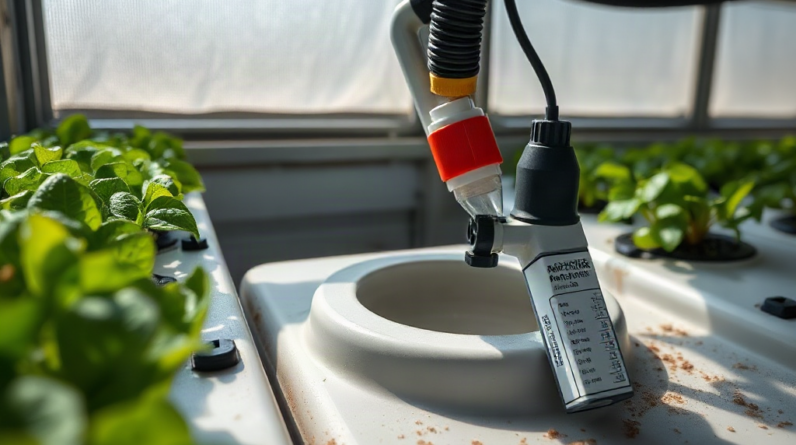
Measuring pH accurately is essential for maintaining a healthy hydroponic system. The most common tools for this task are pH meters and pH test strips. While pH meters provide precise readings and are ideal for regular monitoring, test strips can be a cost-effective alternative for quick checks. It’s advisable to calibrate your pH meter regularly to ensure accuracy.
Adjusting pH levels can be achieved using commercial pH up and pH down solutions, which are typically safe for plants. When adjusting, add small amounts gradually and re-check the pH to avoid overshooting the desired level. Additionally, some growers use natural methods, such as adding vinegar to lower pH or baking soda to raise it, although these methods may not provide precise control.
Common Mistakes in pH Management
One of the most common mistakes in pH management is neglecting to monitor the pH regularly. Many growers assume that the pH will remain stable once it is adjusted, but this is not the case. Environmental factors, plant growth stages, and nutrient concentrations can all cause fluctuations. Another common error is over-adjusting the pH. Dramatic changes can shock plants and lead to stress, affecting their growth negatively.
Another pitfall is relying solely on visual indicators of plant health without testing pH. While symptoms like yellowing leaves can suggest nutrient deficiencies, they can also be caused by improper pH levels. Regular testing is essential to diagnose issues accurately and respond appropriately. Integrating a consistent pH management routine can significantly enhance the success of hydroponic gardening.
Frequently Asked Questions
What is the ideal pH range for hydroponic systems?
The ideal pH range for hydroponic systems is typically between 5.5 and 6.5, allowing for optimal nutrient availability.
How often should I check the pH in my hydroponic system?
It is recommended to check the pH at least once a week, or more frequently if you notice any signs of nutrient deficiency or other plant stress.
Can I use regular soil pH testing kits for hydroponics?
While soil pH testing kits can provide some insights, it is best to use a pH meter or hydroponic-specific test kits for more accurate measurements in water-based systems.
What happens if the pH is too high or too low?
If the pH is too high or too low, plants may experience nutrient lockout, leading to deficiencies or toxicities that affect growth and yield.
How can I adjust the pH in my hydroponic system?
You can adjust the pH using commercial pH up or pH down solutions, or natural methods like vinegar for lowering pH and baking soda for raising it. Always adjust gradually and re-test.
Conclusion
Maintaining the right hydroponic pH balance is essential for nutrient uptake and overall plant health. Regular monitoring and timely adjustments can prevent nutrient deficiencies and enhance growth. By understanding the importance of pH and avoiding common mistakes, you can create a thriving hydroponic environment. Implementing a consistent pH management routine will lead to healthier plants and better yields in your hydroponic garden.
Further Reading
Authoritative Sources
- Optimizing Nutrient Uptake in Hydroponic Systems
papajoesproduce.com3 Simple Steps for Optimizing Nutrient Uptake in Hydroponics · Keep pH in the right range for the plants you're growing. · Keep EC at the right level to make sure ...
- Understanding pH
producegrower.comPH ranges from 5.8 to 6.2 or 5.5 to 6.0 are desirable for hydroponic nutrient solutions and substrates. That applies across most crops and ...
- PH for Hydroponics: Importance, Testing, and Adjusting
growgeneration.comThe best pH range is generally between 5.5 and 6.5. This range ensures that plants can uptake nutrients efficiently while preventing nutrient lockout.
- A Guide To Adjusting pH In Hydroponics
atlas-scientific.comTo adjust pH in hydroponic systems, use pH testing kits to monitor levels regularly. Adding pH adjusters like pH-up or pH-down solutions helps ...