Hydroponic system insurance and water damage coverage usually depends on the policy’s definitions of covered equipment, sudden leaks, business property, and gradual damage. A burst supply line may be treated differently from an overflowing reservoir caused by poor maintenance, while crop loss, nutrient solution, flooring, and neighboring-unit damage may fall under separate limits or exclusions. Before a loss, photograph the installation, record serial numbers, document maintenance, and ask the insurer about endorsements for specialized equipment and business use. After a leak, shut down power safely, stop the water source, preserve damaged parts, photograph every affected area, and notify the insurer promptly without discarding evidence.
How Insurance Treats Hydroponic Equipment And Leaks
Insurance does not usually treat every part of a growing installation as one item. A policy may distinguish between pumps, lights, controllers, shelving, plumbing, plants, nutrient solution, and the building surfaces around them. The location also matters: a small household setup, a rented apartment, a garage, and a commercial growing room can create very different underwriting questions.
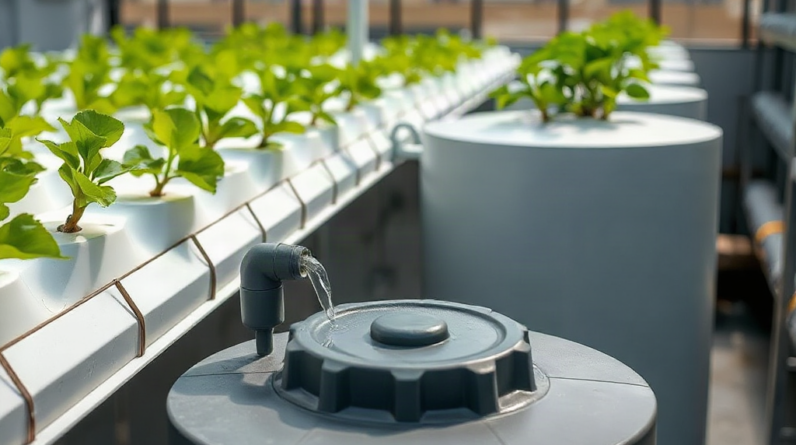
Water damage claims often turn on the source, timing, and maintenance history of the event. A suddenly cracked reservoir or failed fitting may be evaluated differently from a slow leak that has been present long enough to cause rot or mold. The distinction is not automatic, and policy language controls. “Sudden” does not guarantee payment, just as “gradual” does not explain every denial. An adjuster may inspect the failed component, surrounding damage, photographs, invoices, and evidence of prior warnings.
Equipment coverage can also be narrower than owners expect. A standard homeowners policy may offer some protection for personal property, but limits, deductibles, exclusions, and business-use provisions can change the result. A commercial policy may better fit a farm or retail operation, yet it may still separate contents, stock, equipment breakdown, lost income, and liability coverage. The useful question is not simply whether the setup is insured; it is whether each financially important exposure has a plausible coverage path.
For example, a pump that stops circulating nutrient solution may cause plant loss without releasing enough liquid to damage the room. That is an equipment failure and crop-loss problem, not necessarily a conventional water-damage claim. A split hose that floods a basement creates a different chain of events, potentially involving cleanup, damaged contents, electrical work, and temporary relocation. Keep the distinction in mind when reviewing Hydroponic system insurance and water damage questions with an agent.
A common mistake is buying a policy based on the replacement price of the visible hardware while ignoring installation labor, electrical upgrades, custom plumbing, inventory, and cleanup. Make a written inventory instead. Ask which items are covered, where they are covered, whether business activity changes the policy, and how losses are valued. Replacement-cost wording, actual-cash-value wording, sublimits, and exclusions can produce materially different claim payments.
Coverage Gaps That Affect Crops, Buildings, And Neighbors
The largest gap is often the assumption that equipment coverage automatically includes plants and income. Plants may be treated as stock, personal property, agricultural property, or an excluded growing product depending on the policy. Even when plants are covered, a separate limit or cause-of-loss restriction may apply. Nutrients, growing media, seeds, harvested produce, and packaging should be identified rather than casually grouped under “supplies.”
Building damage raises another boundary issue. A leaking tray can damage drywall, flooring, cabinets, insulation, or an electrical outlet. If the space is rented, the lease may assign responsibility for fixtures and improvements, while the landlord’s policy may cover the structure but not the tenant’s equipment. A tenant should not assume that the landlord’s insurance will replace a grow rack or pay for damaged plants. Written lease terms and policy documents deserve review before installation.
Liability becomes more serious when water travels beyond the growing room. In a condominium, apartment, or shared commercial building, liquid may reach another unit or common area. A business may face claims involving a customer’s property, an employee’s workspace, or interruption to a neighboring tenant. General liability is not a substitute for first-party property coverage, and neither necessarily covers every form of crop or income loss.
Specialized endorsements may be relevant for equipment breakdown, inland transit, business interruption, spoilage, or higher-value contents. They are not interchangeable. Equipment breakdown may address mechanical or electrical failure under defined conditions, while water-damage coverage may focus on the resulting physical loss. Business-interruption coverage typically depends on a covered physical loss and documented financial information. Ask the insurer to explain the trigger and exclusions in plain language rather than relying on the endorsement name.
Consider two setups. A hobbyist’s enclosed rack in an owned home may have modest hardware value but substantial flooring and electrical exposure. A small commercial room may have more expensive pumps and climate controls, plus payroll and sales commitments. The first owner should focus on household-policy compatibility and liability; the second may need a commercial review covering stock, equipment, cleanup, and income. Treating both risks identically is a costly misconception.
Before purchasing, prepare a short exposure list:
- Equipment replacement and installation cost
- Plants, inputs, harvested inventory, and packaging
- Building improvements and landlord or lease obligations
- Cleanup, drying, electrical inspection, and temporary relocation
- Damage to neighboring property and possible lost revenue
What To Document Before A Water-Damage Claim
Good records do not create coverage, but they make the loss easier to explain and may reduce disputes about ownership, condition, and value. Photograph the complete installation from several angles, then capture labels, model numbers, serial numbers, connections, shutoff points, drain paths, and nearby outlets. Keep invoices for pumps, reservoirs, lights, controllers, racks, plumbing parts, and professional installation.
Maintenance records are equally useful because they show how the system was operated. Record reservoir inspections, hose replacement, filter cleaning, leak checks, float-valve testing, and repairs. A simple dated log is better than relying on memory. Note changes to the room, such as added capacity, new plumbing, or relocation of a reservoir. Those changes may affect both the physical risk and the insurer’s understanding of the installation.
Store records in two places, such as a cloud folder and an external drive. Include a room diagram showing the main water source, pumps, overflow route, shutoffs, drain location, and electrical disconnect. The diagram is especially helpful when someone else must respond to a leak. Labeling a shutoff is a practical control, not merely an insurance formality.
A realistic example is a reservoir positioned above finished flooring. The owner may have photographs proving the reservoir’s purchase price, but a claim still becomes complicated if there is no evidence of the original floor condition, no maintenance record, and no clear way to establish when the leak began. A dated photo after every major change and a monthly visual inspection can provide a much clearer timeline.
Do not overstate values or describe used equipment as new. Keep proof of upgrades and note whether an item was purchased personally or by a business. Misclassification can create confusion during a claim, particularly when household and commercial property occupy the same room. If the installation is unusual, send the agent a written description with photographs and request a written response about suitability.
For more planning detail, compare your records with the decisions outlined in Hydroponic system insurance and water damage, then ask the insurer targeted questions instead of requesting a vague “full coverage” review.
The Right Response After A Reservoir Or Line Failure
After a leak, protect people first and stop escalation without creating an electrical hazard. If water is near outlets, power strips, lights, or control equipment, avoid standing in water while reaching for a switch. Use an accessible disconnect only when it can be operated safely; otherwise contact qualified help. Close the water supply or isolate the failed section, move undamaged contents away from the wet area, and arrange professional drying when materials or wiring may be affected.
Photograph and video the source, standing water, affected surfaces, equipment labels, plants, and any damage that spreads beyond the room. Keep the failed hose, fitting, pump, or reservoir unless it presents a safety hazard or the insurer or contractor instructs otherwise. Do not begin major demolition or discard damaged property before documenting it, although urgent mitigation should not wait when delay would increase damage.
Notify the insurer promptly and describe facts rather than guessing at coverage or fault. Provide the date discovered, suspected source, actions taken, affected property, and whether anyone else may have been impacted. Keep receipts for emergency extraction, drying, temporary storage, replacement parts, and professional inspections. Separate damaged items from unaffected items and avoid mixing contaminated or wet materials with clean inventory.
Plant loss requires careful documentation. Photograph the crop before removal, identify the growing stage, record the number or area affected, and preserve sales or production records if income is involved. Do not assume every dead plant is automatically compensable. The cause may be a pump failure, contamination, temperature event, or water release, and each may be treated differently under the policy.
A frequent failure mode is making a permanent repair before the insurer can inspect the evidence. Temporary measures that prevent further damage are usually easier to justify than replacing the entire installation without records. Ask the adjuster what can be discarded, what requires inspection, and whether a preferred contractor is required. If the loss is substantial or liability is disputed, a licensed claims professional or attorney may be appropriate.
Reducing Losses Without Creating New Insurance Problems
Prevention begins with containment, not expensive automation. Put reservoirs on stable, level supports; use fittings suited to the tubing; secure lines against pulling; and provide a deliberate overflow path where practical. A secondary tray or waterproof surface can limit spread, while a clearly accessible shutoff shortens the time between detection and isolation. These measures do not eliminate risk, but they can reduce the distance water travels.
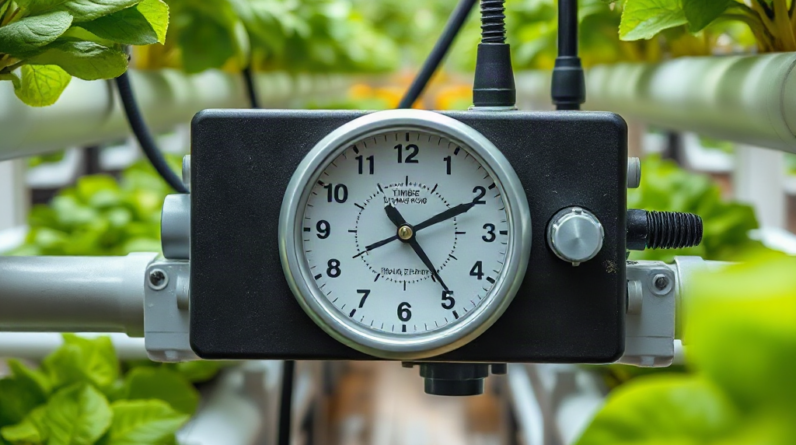
Leak sensors, high-level alarms, pump timers, and automatic shutoffs may be useful when selected for the actual system. A sensor that sits outside the lowest point will not detect the first damaging puddle. An automated valve that fails closed may interrupt irrigation during a false alarm. Test alarms and valves after installation, during power interruptions, and whenever plumbing is changed. Record the test because an unused safeguard is only an assumption.
Choose controls according to the room and operating pattern. A small attended rack may benefit more from a visible shutoff and daily inspection than from a complex network device. An unattended commercial room may justify remote alerts and redundant containment, but those systems introduce batteries, connectivity, calibration, and maintenance obligations. Compare the cost of controls with the likely severity of a release, not with the equipment’s purchase price alone.
Never conceal a system’s scale or purpose when asking for insurance. Adding commercial production, leased equipment, new plumbing, or employees can change the risk profile. Update the insurer after material changes and retain the response. A policy review is especially sensible after moving from hobby production to sales, increasing reservoir volume, installing permanent improvements, or placing equipment in a rented or shared building.
The practical priority order is straightforward: verify policy fit, inventory the installation, contain the water path, test shutoffs and alarms, and rehearse the claim response. The wrong approach is to buy a generic rider, skip documentation, and assume a leak will be judged by the retail value of the damaged hardware. Insurance works better when the physical controls and the paper record tell the same story.
Frequently Asked Questions
Does homeowners insurance automatically cover a hydroponic setup?
Not necessarily. Coverage may depend on whether the equipment is personal property, business property, or a permanent improvement, and limits or exclusions may apply to plants and water damage.
Is a leaking reservoir usually covered?
The answer depends on the policy, cause, and resulting damage. A sudden failure may be treated differently from long-term seepage, poor maintenance, or excluded equipment breakdown.
Are lost plants included in a water-damage claim?
Do not assume so. Plants may be classified as stock, personal property, or an excluded growing product, and crop or income coverage may require separate terms.
What should I save after a hydroponic leak?
Save photographs, videos, failed parts, invoices, maintenance records, receipts for mitigation, and a written timeline. Preserve damaged items unless safety concerns or insurer instructions require disposal.
Can leak sensors reduce insurance risk?
They may reduce the duration or spread of a leak when positioned correctly and tested regularly. They do not guarantee coverage or replace suitable policy terms, containment, and maintenance.
Conclusion
Insurance decisions for a growing installation should follow the actual loss pathway: equipment failure, released liquid, building damage, crop loss, cleanup, liability, and possible income interruption. Review each category rather than asking whether the entire setup is “covered.” Before operating, photograph the installation, keep purchase and maintenance records, identify shutoffs, and obtain written clarification about household use, business activity, plants, specialized equipment, and gradual damage. After a leak, make the area safe, stop the source, document conditions, preserve failed parts, and notify the insurer promptly. A containment tray or alarm may limit the claim, but only a policy review can reveal whether the remaining loss fits the contract.
Related Content
- The Ultimate Guide to Hydroponic Gardening at Home in 2025: 10 Effective Tips to Grow Smarter
- Transform Any Room into a Thriving Garden
- Harness Hydroponic Techniques for Healthy Eating
- The Ultimate Guide to the Best hydroponic garden kit for 2025: 10 Effective Tips
- How to Grow Hydroponic Strawberries for Sweet Success