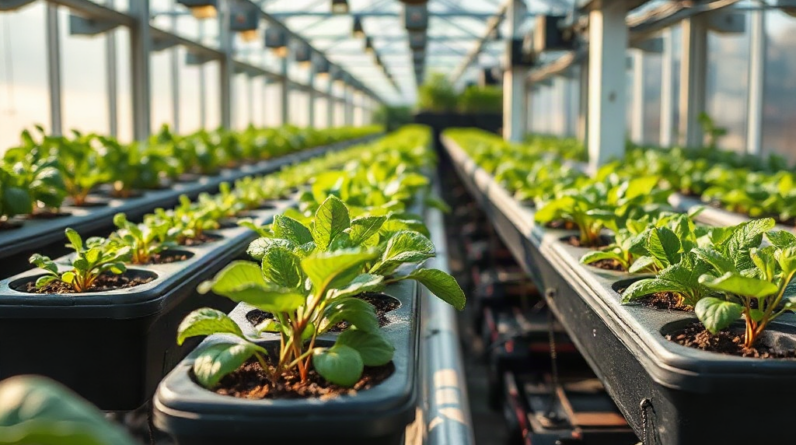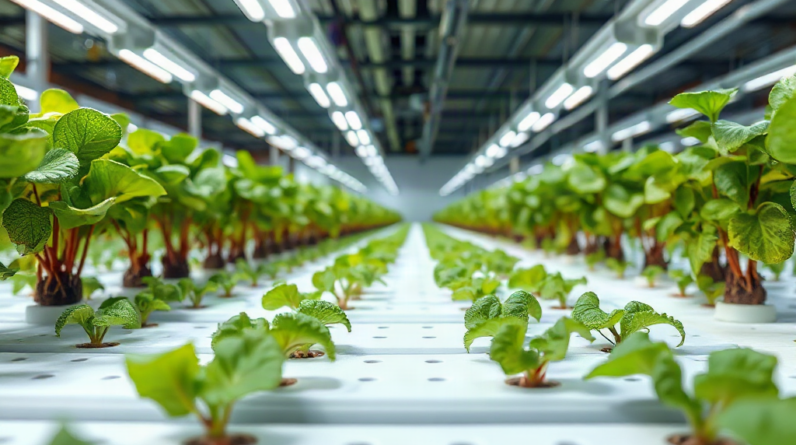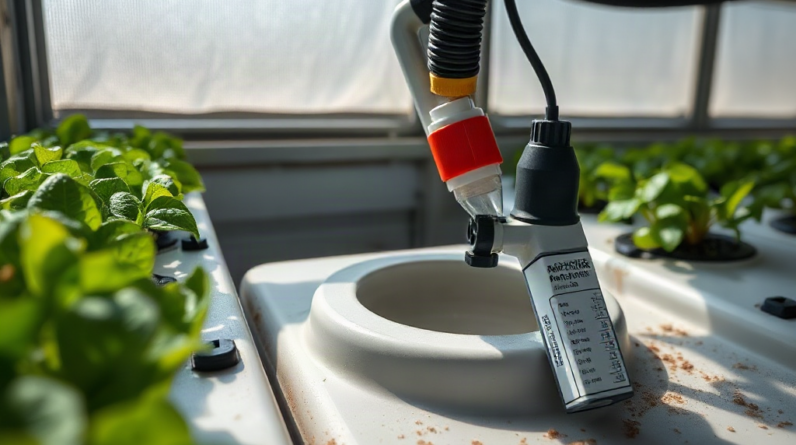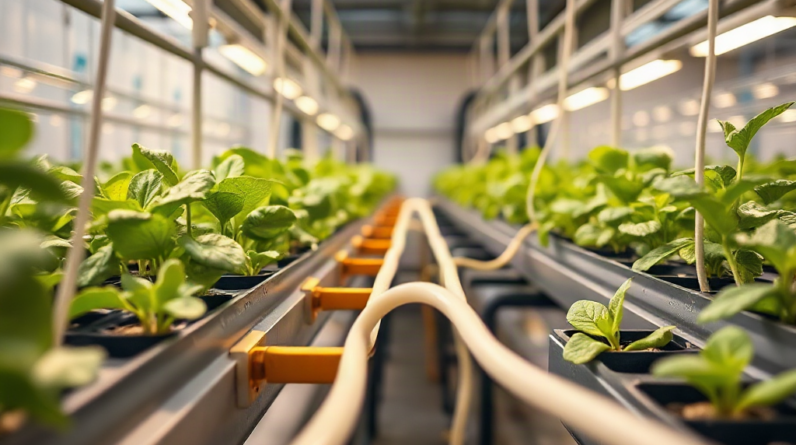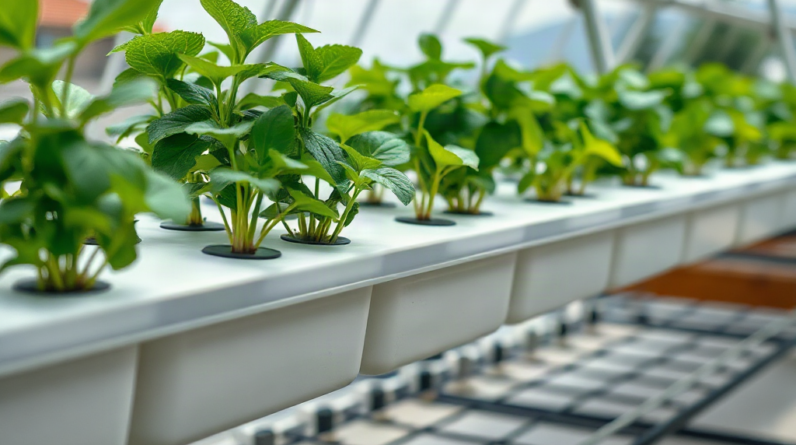
The levels of carbon dioxide significantly affect hydroponic crops, as optimal CO2 concentrations can enhance photosynthesis and growth. Maintaining CO2 levels between 800 to 1,200 parts per million (ppm) is essential for maximizing plant productivity without adverse effects. However, excessive CO2 can lead to nutrient imbalances and poor plant health. Growers should regularly monitor CO2 levels using sensors to ensure they remain within the ideal range, adjusting their systems as necessary to support healthy crop development. Understanding the specific CO2 needs of different crops can further optimize yields and improve overall plant quality.
Understanding CO2’s Role in Photosynthesis
Carbon dioxide is a crucial component of photosynthesis, the process by which plants convert light energy into chemical energy. In hydroponic systems, where soil is absent, the availability of CO2 directly influences plant growth and productivity. CO2 enters the plant through stomata, small openings on the leaf surface, and is used in the synthesis of glucose, which serves as energy for the plant. The efficiency of photosynthesis increases with higher CO2 levels, leading to enhanced growth rates and biomass accumulation.
For hydroponic growers, understanding the role of CO2 is essential for optimizing crop yields. A well-regulated CO2 environment can lead to faster growth cycles and larger harvests. However, it’s important to balance CO2 levels with other growth factors, such as light intensity and nutrient availability, to achieve the best results.
Optimal CO2 Levels for Hydroponic Crops
The optimal concentration of carbon dioxide for hydroponic crops typically ranges between 800 to 1,200 parts per million (ppm). At these levels, plants can maximize their photosynthetic efficiency without experiencing negative side effects. Different crops may have varying tolerance levels, so it’s vital to research the specific requirements of the plants being cultivated.
For instance, leafy greens like lettuce may thrive at lower CO2 levels compared to fruiting crops such as tomatoes. Regular monitoring of CO2 levels can help growers adjust their systems to maintain optimal conditions. Tools such as CO2 sensors and data loggers can facilitate this process, ensuring that plants receive the necessary carbon dioxide for optimal growth.
Risks of Excessive CO2 Concentration
While increased carbon dioxide can boost plant growth, excessive levels can lead to detrimental effects. High CO2 concentrations can cause nutrient imbalances, particularly in hydroponic systems where nutrients are delivered through water. This can result in issues such as stunted growth, leaf burn, or poor fruit quality.
Moreover, elevated CO2 levels can alter the pH of the nutrient solution, making it more acidic. This shift can hinder nutrient absorption, negatively impacting plant health. Growers must be vigilant in monitoring CO2 levels and adjusting their systems accordingly to prevent these problems. A common mistake is to solely focus on increasing CO2 without considering the overall balance of the growing environment.
Monitoring and Managing CO2 Levels
Effective management of CO2 levels in hydroponic systems involves regular monitoring and adjustments based on plant needs and environmental conditions. Utilizing CO2 enrichment systems can help maintain the desired concentration. These systems can be automated to release CO2 when levels drop below the optimal range, ensuring that plants receive a consistent supply.
Additionally, it’s important to ventilate the growing area to prevent excessive CO2 buildup, especially in enclosed environments. Implementing a proper exchange of air can help maintain a healthy atmosphere for plant growth. Regularly testing the nutrient solution’s pH and composition is also crucial to ensure that the plants can absorb necessary nutrients efficiently.
Frequently Asked Questions
What is the ideal CO2 level for hydroponic crops?
The ideal CO2 level for most hydroponic crops is between 800 and 1,200 ppm, which supports optimal photosynthesis and growth.
How does CO2 affect plant growth in hydroponics?
CO2 enhances photosynthesis, leading to increased growth rates and biomass in hydroponic plants, especially when combined with adequate light and nutrients.
What are the risks of too much CO2 in hydroponic systems?
Excessive CO2 can cause nutrient imbalances, altered pH levels, and poor plant health, leading to stunted growth and reduced crop quality.
How can I monitor CO2 levels in my hydroponic system?
Using CO2 sensors and data loggers can help monitor levels, enabling timely adjustments to maintain optimal conditions for plant growth.
What should I do if CO2 levels are too high?
If CO2 levels are too high, increase ventilation in the growing area and consider reducing CO2 enrichment to restore optimal levels.
Further Reading
Authoritative Sources
- USDA Agricultural Research Service
usda.govThis source provides research and guidelines on optimal growing conditions for various crops, including CO2 levels
- Purdue University Horticulture
hort.purdue.eduPurdue offers extensive resources on hydroponic systems and the science behind plant growth
- National Center for Biotechnology Information
ncbi.nlm.nih.govNCBI hosts research articles discussing the effects of CO2 on plant physiology and growth
Conclusion
Understanding the impact of carbon dioxide levels on hydroponic crops is essential for maximizing growth and yield. Maintaining optimal CO2 levels can enhance photosynthesis and crop quality, while excessive levels pose significant risks. Implementing effective monitoring and management strategies is crucial for ensuring a healthy growing environment. By balancing CO2 levels with other growth factors, hydroponic growers can achieve optimal results and produce healthy, high-quality crops.