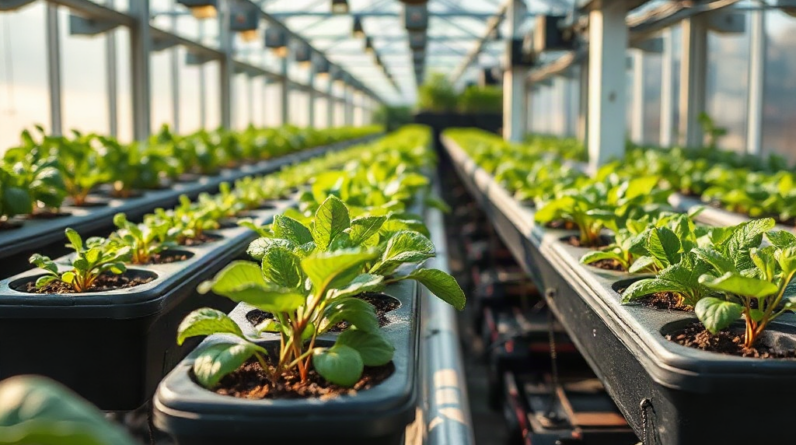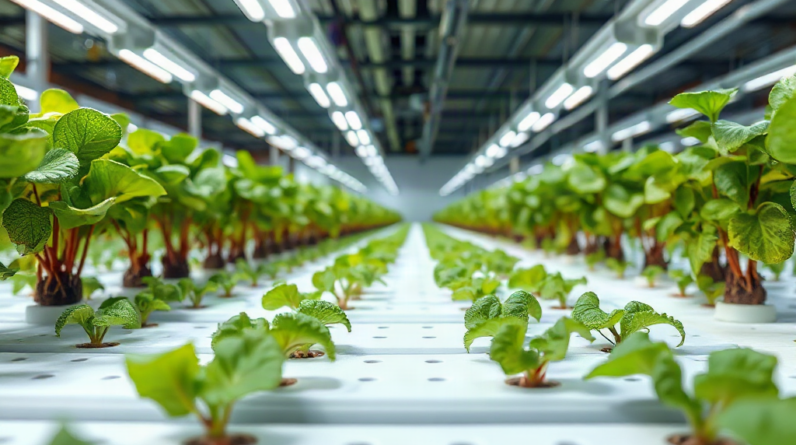
The duration of lighting significantly impacts plant growth, influencing processes such as flowering and photosynthesis. For optimal development, seedlings require about 16-18 hours of light daily to establish strong roots and prevent leggy growth. During the vegetative stage, extended light hours promote vigorous leaf growth, while flowering plants often need specific light schedules to trigger blooming. Growers should tailor their lighting strategies based on the specific needs of their plants, ensuring that light exposure aligns with each growth stage to maximize yield and health.
Understanding Photoperiod
Photoperiod refers to the duration of light exposure plants receive in a 24-hour cycle. This duration is crucial as it affects physiological processes such as flowering, germination, and overall growth. Different plants have varying light requirements; for instance, some are long-day plants that thrive with extended light periods, while others prefer short days. Recognizing these needs is essential for effective hydroponic gardening, as it allows growers to tailor their lighting systems for optimal growth.
Plants perceive light through specialized receptors, which trigger hormonal responses that regulate growth. For instance, the hormone gibberellin is stimulated by longer light durations, promoting stem elongation and flowering in certain species. Conversely, insufficient light can lead to etiolation, where plants grow tall and spindly in search of light. Understanding the photoperiod helps gardeners create an environment conducive to healthy plant development.
Effects on Growth Stages
The impact of lighting duration varies across different growth stages of plants. For seedlings, adequate light is critical to ensure strong root development and healthy leaf formation. Seedlings typically require 16-18 hours of light daily to prevent leggy growth and ensure robust development. During the vegetative stage, most plants benefit from extended light hours, which encourage leaf growth and photosynthesis.
As plants transition to the flowering stage, light duration becomes even more crucial. Many flowering plants require a specific light schedule to trigger blooming; for example, short-day plants need long periods of darkness to initiate flowering. Understanding these requirements allows growers to manipulate lighting schedules, ensuring that plants receive the appropriate light duration to flourish during each growth phase.
Common Mistakes in Lighting Duration
One of the most frequent mistakes growers make is not adjusting light duration according to the specific needs of their plants. For instance, providing too much light can lead to light burn, while too little can cause slow growth or even plant death. Another common error is failing to account for seasonal changes in natural light, which can affect indoor growing conditions.
Another misconception is that all plants require the same light duration. This is not true; different species have distinct light needs. For example, while some crops like tomatoes benefit from 18 hours of light, others like cannabis may require a different schedule to optimize yield. Educating oneself about each plant’s unique requirements is vital for successful hydroponic gardening.
Strategies for Optimizing Light Duration
To optimize light duration effectively, growers should consider using timers to automate lighting schedules. This ensures that plants receive consistent light exposure, mimicking natural conditions. Additionally, using grow lights with adjustable intensity can help cater to different growth stages, providing strong light during vegetative phases and softer light during flowering.
Monitoring plant responses to light changes is essential. If plants appear stressed or exhibit poor growth, adjusting the light duration or intensity may be necessary. Regularly assessing plant health and growth rates can guide adjustments to the lighting strategy, allowing for a more responsive approach to plant care.
Frequently Asked Questions
What is the ideal lighting duration for seedlings?
Seedlings generally thrive with 16-18 hours of light daily to promote strong growth and prevent leggy appearances.
How does lighting duration affect flowering in plants?
Many plants require specific light schedules to trigger flowering, with short-day plants needing longer periods of darkness to bloom.
Can too much light harm plants?
Yes, excessive light can lead to light burn, which damages leaves and can stunt growth.
How can I automate my plant lighting schedule?
Using timers can help automate lighting schedules, ensuring consistent light exposure for plants.
What should I do if my plants are not growing well?
Assess the lighting duration and intensity; adjusting these factors can often improve plant health and growth rates.
Further Reading
Authoritative Sources
- Lighting for Plant Growth
hort.purdue.eduPurdue.eduThis Purdue extension resource provides detailed insights into the role of lighting in plant growth, including photoperiod information
- The Role of Light in Plant Development
ncbi.nlm.nih.govA comprehensive study discussing how light influences various developmental stages in plants
- Lighting for Indoor Gardening
extension.umn.eduThis extension article covers the essentials of indoor gardening lighting, including photoperiod considerations
Conclusion
Understanding the impact of lighting duration on growth is vital for successful hydroponic gardening. By recognizing the specific needs of different plants and adjusting light exposure accordingly, growers can optimize growth and yield. Regular monitoring and adjustments to lighting schedules will ensure that plants receive the necessary conditions to thrive, ultimately leading to healthier crops and better harvests.