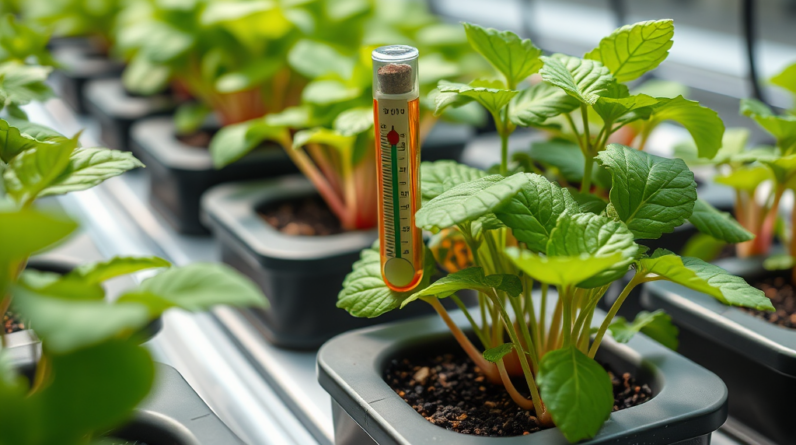
The temperature of the nutrient solution has a profound effect on plant health, influencing nutrient uptake and growth rates. Maintaining a temperature range of 65°F to 75°F (18°C to 24°C) is essential for optimal nutrient solubility and metabolic function. When temperatures drop below this range, plants may suffer from nutrient deficiencies and slowed growth, while higher temperatures can lead to increased evaporation and root rot. To avoid these issues, regularly monitor the nutrient solution temperature and make adjustments as necessary, ensuring a stable environment for your plants to thrive.
Understanding Nutrient Solution Temperature
Nutrient solution temperature plays a critical role in hydroponic gardening, affecting everything from seed germination to plant growth and yield. Temperature impacts the solubility of nutrients and the metabolic rates of plants. Generally, an ideal range for nutrient solution temperature is between 65°F and 75°F (18°C to 24°C), as this range promotes optimal plant health and nutrient absorption.
When temperatures fall below this range, plants may experience slowed growth or root stress due to reduced nutrient availability. Conversely, temperatures above this range can lead to increased evaporation rates, decreased oxygen levels in the solution, and potential root rot, all of which can severely impact plant health.
Effects of Temperature on Nutrient Uptake
The temperature of the nutrient solution directly influences how effectively plants can absorb nutrients. At optimal temperatures, the metabolic processes of plants are accelerated, facilitating efficient nutrient uptake. For instance, at temperatures around 70°F (21°C), nutrient solubility is maximized, allowing plants to access essential elements like nitrogen, phosphorus, and potassium more readily.
On the other hand, if the nutrient solution is too cold, the solubility of key nutrients decreases, leading to deficiencies that can stunt growth and reduce yields. High temperatures can also lead to problems; for example, at temperatures above 80°F (27°C), nutrient solubility can diminish, and plants may struggle to obtain necessary elements, resulting in nutrient lockout.
Common Mistakes in Temperature Management
Many hydroponic growers overlook the importance of nutrient solution temperature, leading to common mistakes that can compromise plant health. One frequent error is failing to monitor temperatures regularly, which can result in sudden fluctuations that stress plants. Another mistake is not accounting for environmental factors such as room temperature and light exposure, which can dramatically affect nutrient solution temperatures.
Additionally, some growers may rely solely on ambient temperature control without considering the heat generated by pumps, lights, and other equipment, which can elevate solution temperatures beyond the optimal range. To avoid these pitfalls, regular temperature checks and adjustments based on environmental conditions are essential.
Best Practices for Maintaining Optimal Temperatures
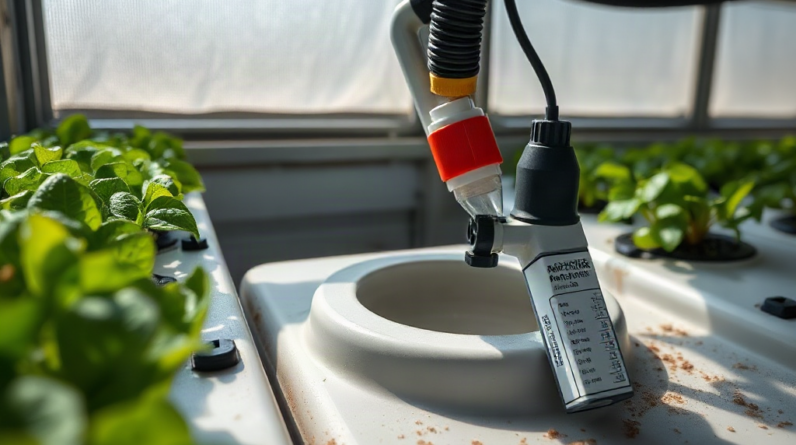
To ensure that your nutrient solution remains within the ideal temperature range, consider implementing several best practices. First, invest in a reliable thermometer to monitor solution temperatures consistently. Additionally, use insulated reservoirs to minimize temperature fluctuations caused by external conditions.
Another effective strategy is to utilize temperature control systems, such as heaters or chillers, to maintain consistent temperatures, especially in environments with extreme temperature variations. Lastly, regularly check the placement of your nutrient solution reservoir; keeping it away from direct sunlight and heat sources can help maintain stable temperatures.
Frequently Asked Questions
What is the ideal temperature for nutrient solution in hydroponics?
The ideal temperature for nutrient solution in hydroponics is typically between 65°F and 75°F (18°C to 24°C), which promotes healthy plant growth and optimal nutrient uptake.
How does temperature affect nutrient solubility?
Temperature significantly influences nutrient solubility; optimal temperatures enhance nutrient availability, while extreme temperatures can reduce solubility and lead to deficiencies.
What are the signs of nutrient deficiency due to temperature issues?
Signs of nutrient deficiency include yellowing leaves, stunted growth, and poor fruit or flower development, often linked to improper nutrient solution temperatures.
Can high temperatures cause root rot?
Yes, high temperatures can decrease oxygen levels in the nutrient solution, creating an environment conducive to root rot and other diseases.
How can I monitor nutrient solution temperature effectively?
Use a reliable thermometer or temperature sensor to regularly check the nutrient solution temperature and make adjustments as necessary to maintain optimal conditions.
Further Reading
Authoritative Sources
- USDA National Institute of Food and Agriculture
nifa.usda.govResearch and extension resources related to agriculture, plants, soil, and food systems
- Extension Foundation Gardening Resources
extension.orgUniversity extension education resources for practical gardening and home agriculture topics
- USDA Natural Resources Conservation Service
nrcs.usda.govSoil, water, conservation, and land management resources for practical growing decisions
Conclusion
Understanding the impact of nutrient solution temperature on plant health is crucial for achieving optimal growth and yield in hydroponic systems. By maintaining temperatures within the ideal range and avoiding common pitfalls, growers can enhance nutrient uptake and overall plant vitality. Regular monitoring and strategic temperature management practices will lead to healthier plants and more successful hydroponic gardening.