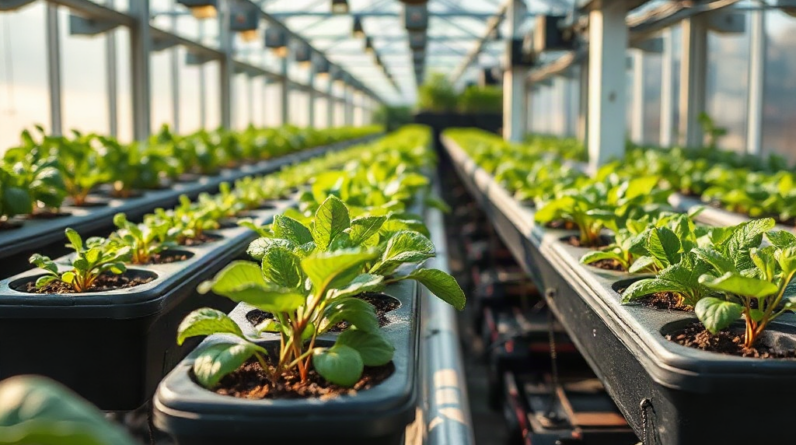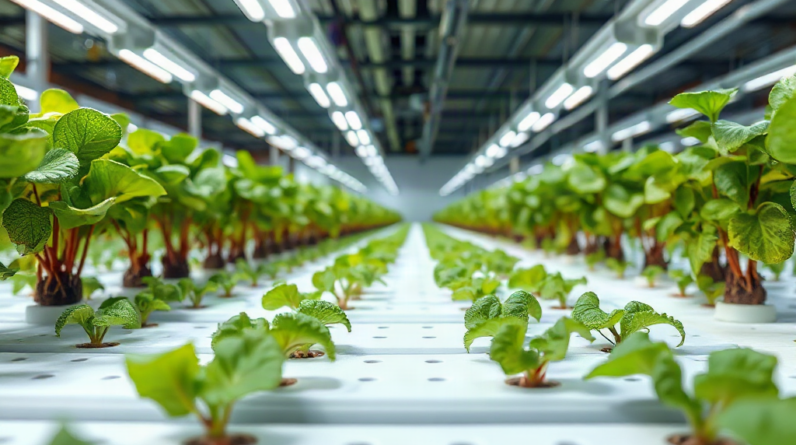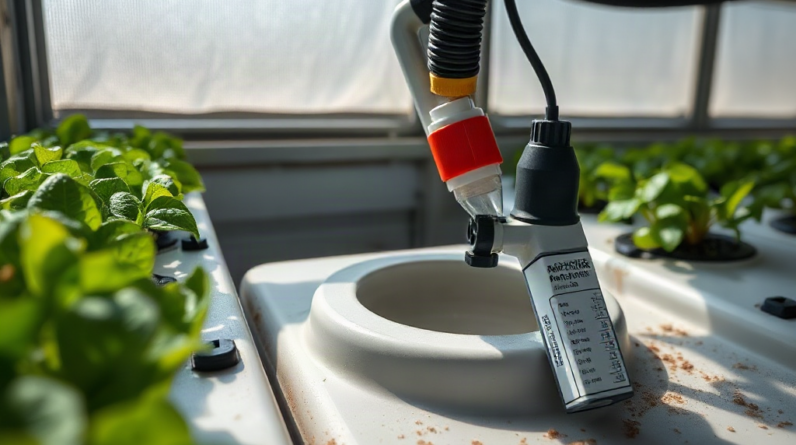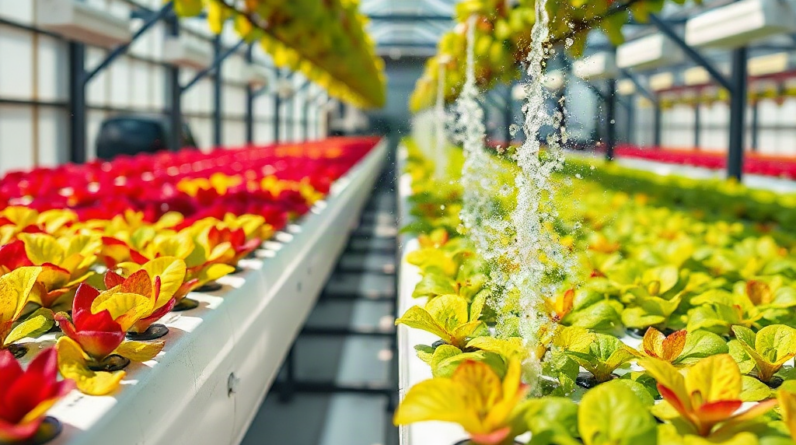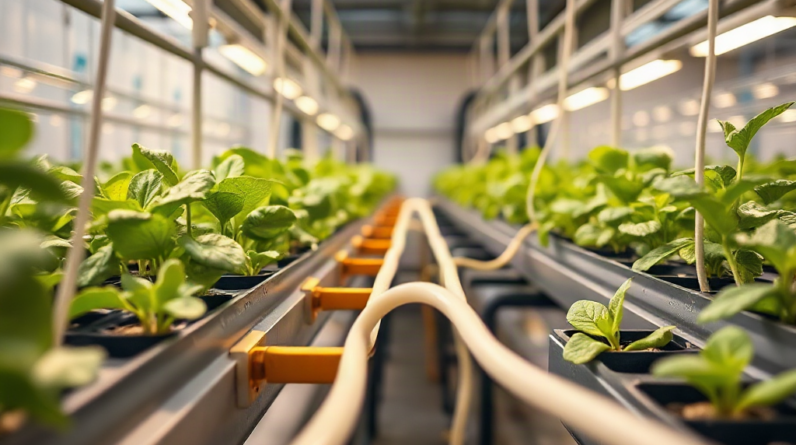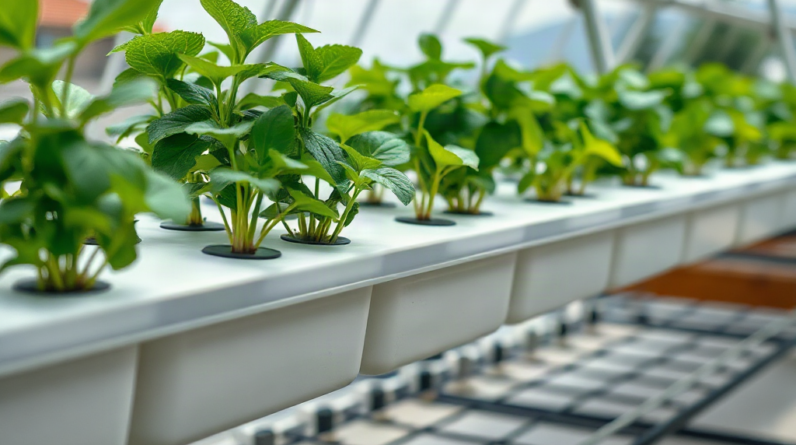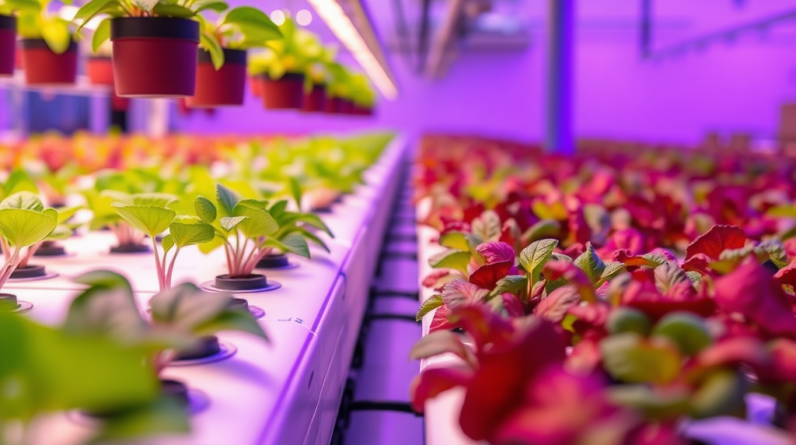
Seasonal changes have a profound impact on hydroponic growth, primarily through fluctuations in temperature, light, and nutrient availability. For example, cooler winter temperatures can slow down plant metabolism, while summer's longer days can boost photosynthesis and growth rates. To adapt, hydroponic growers should utilize heating systems during colder months and artificial lighting to compensate for reduced natural light in winter. Additionally, monitoring nutrient levels is crucial, as temperature shifts can lead to imbalances. Implementing these strategies ensures optimal growth regardless of seasonal variations.
Temperature Variations and Their Effects
Temperature significantly influences hydroponic growth, with optimal ranges varying by plant species. Most hydroponic plants thrive in temperatures between 65°F and 75°F (18°C to 24°C). During colder months, temperatures may drop, leading to slower metabolic rates and reduced growth. Conversely, excessive heat can cause stress, wilting, and even plant death if not managed properly. For example, a sudden cold snap can shock sensitive seedlings, while prolonged heat can lead to nutrient imbalances.
To counter temperature fluctuations, hydroponic growers should consider implementing heating systems or cooling solutions, such as fans or air conditioning units. Additionally, using thermal mass—like water tanks—to stabilize temperature can be beneficial. Monitoring temperatures with sensors ensures that plants remain within their ideal ranges, promoting healthy growth even during seasonal changes.
Light Exposure Throughout the Seasons
Light is another critical factor in hydroponic growth, affecting photosynthesis rates and overall plant health. Seasonal changes lead to variations in natural light availability, which can impact growth cycles. In winter, shorter days and lower light intensity can hinder growth, while summer often provides longer days and brighter light, enhancing photosynthesis.
To mitigate the effects of reduced natural light, many hydroponic systems utilize artificial lighting. Grow lights can be adjusted in intensity and duration to mimic optimal conditions for plant growth year-round. Additionally, understanding the light requirements of specific plants can help growers tailor their lighting strategies effectively, ensuring that plants receive the necessary light for healthy development.
Nutrient Management in Changing Conditions
Nutrient availability can fluctuate with seasonal changes, impacting hydroponic growth. During colder months, plants may require different nutrient concentrations due to slower growth rates. Conversely, warmer months often lead to increased nutrient uptake as plants grow more vigorously. This necessitates a flexible nutrient management strategy.
Regularly testing nutrient solutions and adjusting them according to plant growth stages and seasonal conditions is essential. For instance, during peak growing seasons, a higher concentration of nitrogen may be beneficial to support lush foliage, while potassium and phosphorus may be prioritized during flowering. Understanding the specific nutritional needs of plants throughout the year helps maintain optimal growth and yield.
Common Mistakes in Seasonal Adaptation
Many hydroponic growers overlook the impact of seasonal changes, leading to poor plant health and reduced yields. One common mistake is failing to adjust nutrient solutions based on seasonal growth patterns. Additionally, inadequate temperature control can result in plant stress, which may manifest as wilting or poor fruit production.
To avoid these pitfalls, growers should develop a seasonal plan that includes temperature control measures, lighting adjustments, and nutrient management strategies. Regular monitoring and adapting to the specific needs of plants can significantly enhance growth outcomes throughout the year.
Frequently Asked Questions
How do temperature changes affect hydroponic plants?
Temperature changes can slow down or accelerate growth rates in hydroponic plants, with cold temperatures often leading to reduced metabolic activity and heat causing stress.
What lighting adjustments should be made in winter?
In winter, increasing the duration and intensity of artificial lighting can compensate for reduced natural light, ensuring plants receive adequate photosynthesis.
How can nutrient requirements change seasonally?
Nutrient requirements can vary with temperature and growth rates; plants may need more nitrogen in warmer months and different ratios of nutrients during flowering.
What are common mistakes in seasonal hydroponics?
Common mistakes include neglecting temperature control, failing to adjust nutrient solutions, and not accounting for light changes, leading to poor plant health.
How can I prepare my hydroponic system for seasonal changes?
Preparing involves developing a seasonal strategy, including temperature control, adjusting lighting, and monitoring nutrient levels to match plant needs.
Further Reading
Authoritative Sources
- Hydroponics World
hydroponicsworld.comA comprehensive resource for understanding hydroponic systems and seasonal effects on plant growth
- ABC Hydroponics
abc.comProvides detailed information on nutrient management and seasonal adaptations for hydroponic gardening
Conclusion
To maximize hydroponic growth, understanding the impact of seasonal changes is crucial. Temperature, light, and nutrient availability significantly influence plant health and yield. By proactively managing these factors—such as adjusting temperature controls, enhancing lighting systems, and fine-tuning nutrient solutions—growers can ensure optimal conditions year-round. Developing a seasonal strategy tailored to specific plants will lead to healthier, more productive hydroponic gardens.