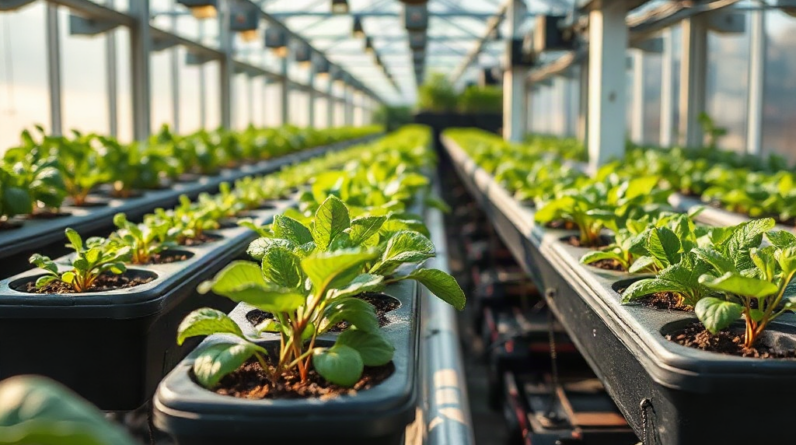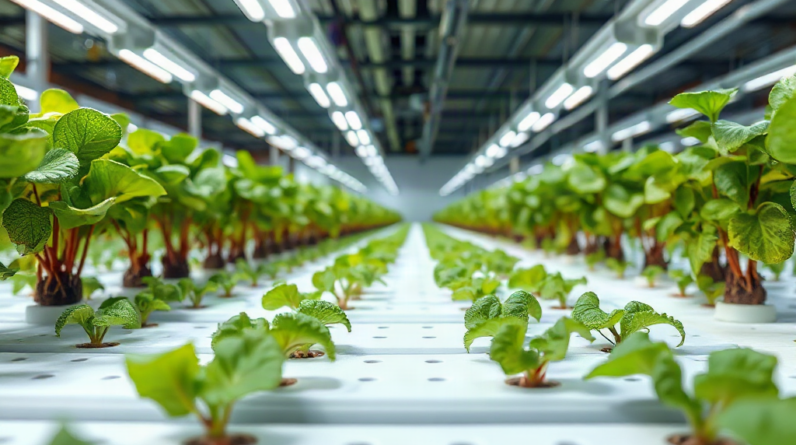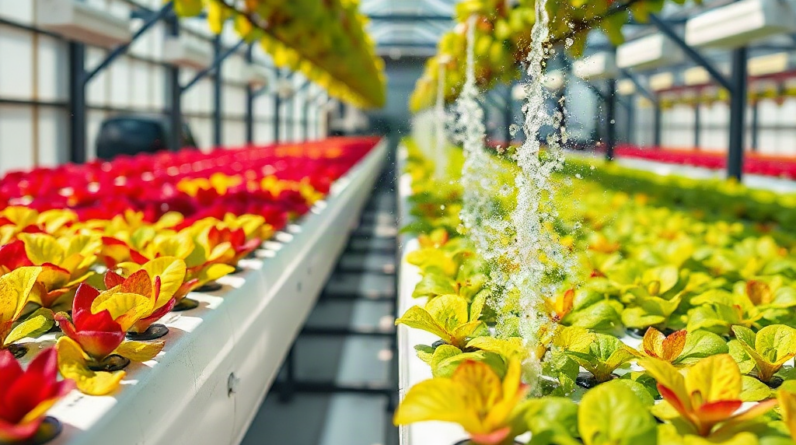
The impact of seasons on hydroponic gardening is profound, as changes in light, temperature, and humidity directly affect plant growth. For instance, shorter daylight hours in winter can slow down the growth of light-dependent crops, while the heat of summer may require additional cooling measures to prevent stress on plants. Hydroponic gardeners should adjust their nutrient solutions seasonally, as warmer temperatures can increase nutrient uptake, necessitating a higher concentration of nutrients during summer months. Additionally, understanding the specific temperature preferences of different crops can help optimize growth; for example, leafy greens thrive in cooler conditions, while fruiting plants prefer warmth. By adapting to these seasonal variations, gardeners can enhance plant health and maximize yields throughout the year.
Understanding Seasonal Effects on Hydroponics
The impact of seasons on hydroponic gardening encompasses various environmental factors that can significantly influence plant growth. Seasonal changes affect light duration and intensity, temperature fluctuations, and humidity levels, all of which play crucial roles in plant development. During the fall and winter months, daylight hours decrease, which can lead to slower growth rates in crops that thrive on consistent light. Conversely, spring and summer often bring longer days and increased temperatures, promoting faster growth but also necessitating careful management of heat and humidity levels.
Understanding these seasonal variations is essential for hydroponic gardeners. For instance, leafy greens like lettuce and spinach may thrive in cooler temperatures, while fruits like tomatoes and peppers prefer warmer conditions. Recognizing these preferences allows gardeners to tailor their systems to optimize growth, ensuring that plants receive the ideal conditions for their specific growth cycles.
Adjusting Nutrient Solutions by Season
The impact of seasons on hydroponic gardening also extends to nutrient management. Nutrient uptake by plants can vary significantly with seasonal changes. For example, during warmer months, plants may require more nutrients due to increased metabolic activity, while in cooler months, their nutrient needs may decrease. Adjusting the nutrient solution according to the season is vital for maintaining plant health.
Additionally, different crops may require varying nutrient compositions based on their growth stages and environmental conditions. For instance, during the growth phase, higher nitrogen levels can promote leafy growth, while during flowering, phosphorus and potassium become more critical. Regular monitoring and adjustment of nutrient solutions can help mitigate issues related to nutrient deficiencies or excesses that can arise from seasonal changes.
Lighting Considerations Throughout the Year
Light is a critical component in hydroponic gardening, and its availability fluctuates with the seasons. The impact of seasons on hydroponic gardening includes variations in natural sunlight, which can affect indoor gardening setups. In winter, when sunlight is less intense and daylight hours are shorter, supplemental lighting becomes essential to maintain healthy growth rates.
Using LED grow lights can help provide the necessary light spectrum for plant photosynthesis during these darker months. Conversely, during the summer, it may be necessary to adjust the duration and intensity of artificial lights to prevent overheating and light stress. Balancing natural and artificial light sources according to seasonal changes ensures that plants receive adequate light for optimal growth.
Temperature Management Strategies
Temperature control is another significant aspect of managing the impact of seasons on hydroponic gardening. As temperatures fluctuate with the seasons, maintaining an optimal environment for plant growth becomes crucial. In winter, lower temperatures may require heating elements to ensure that the nutrient solution and air temperatures remain within suitable ranges for plant health.
Conversely, in the heat of summer, cooling systems such as fans, misting systems, or air conditioning may be necessary to prevent heat stress. Understanding the specific temperature requirements of different crops will allow hydroponic gardeners to implement effective temperature management strategies, ensuring that plants remain healthy and productive throughout the year.
Frequently Asked Questions
How do seasonal changes affect hydroponic gardening?
Seasonal changes impact light availability, temperature, and humidity, influencing plant growth and nutrient needs.
What adjustments should I make to nutrient solutions in winter?
In winter, reduce nutrient concentrations as plant uptake typically decreases due to lower temperatures.
How can I manage light levels during shorter days?
Use supplemental LED grow lights to provide adequate light spectrum and duration for optimal plant growth during winter.
What temperature range is ideal for hydroponic plants?
Most hydroponic plants thrive between 65°F and 75°F (18°C to 24°C), but specific crops may require different ranges.
Can I grow the same crops year-round in hydroponics?
Yes, you can grow the same crops year-round, but adjustments to light, temperature, and nutrients are necessary for optimal growth.
Further Reading
Authoritative Sources
- USDA – Hydroponic Gardening Resources
usda.govThis resource provides comprehensive information on hydroponic gardening practices and seasonal considerations
- National Extension Association of Family and Consumer Sciences
extension.orgThis site offers research-based information on sustainable gardening, including hydroponics
- Purdue University Horticulture
hort.purdue.eduPurdue's horticulture department provides valuable insights into hydroponic systems and seasonal adjustments
Conclusion
Understanding the impact of seasons on hydroponic gardening is essential for achieving optimal plant health and productivity. By adjusting nutrient solutions, managing light levels, and maintaining appropriate temperatures, gardeners can successfully navigate the challenges posed by seasonal changes. Implementing these strategies ensures that plants receive the best possible care throughout the year, leading to a fruitful and productive hydroponic garden.