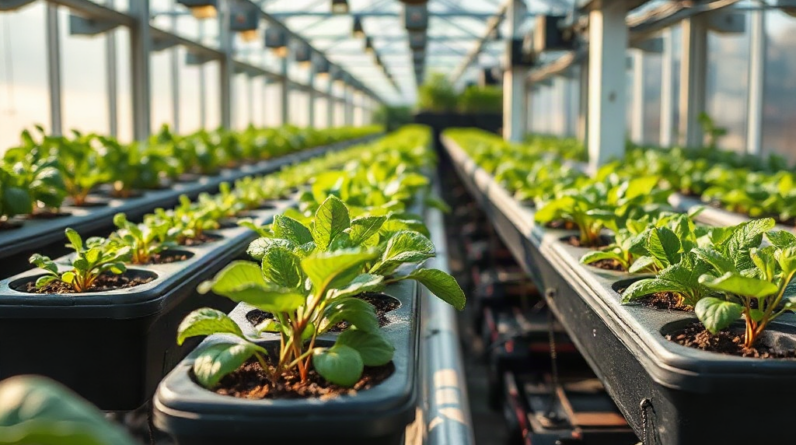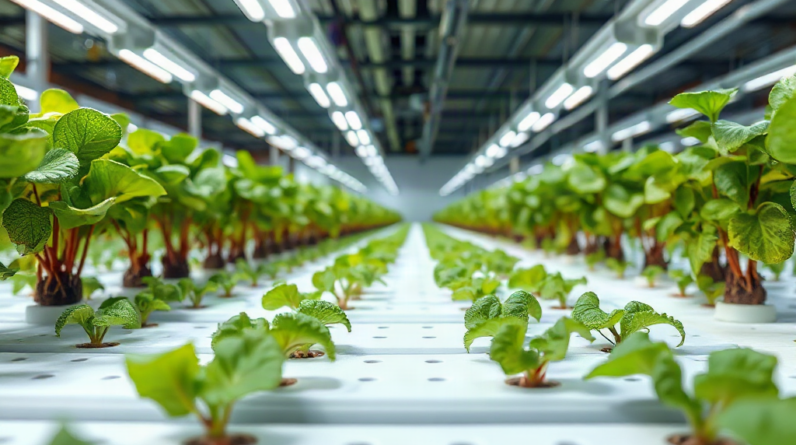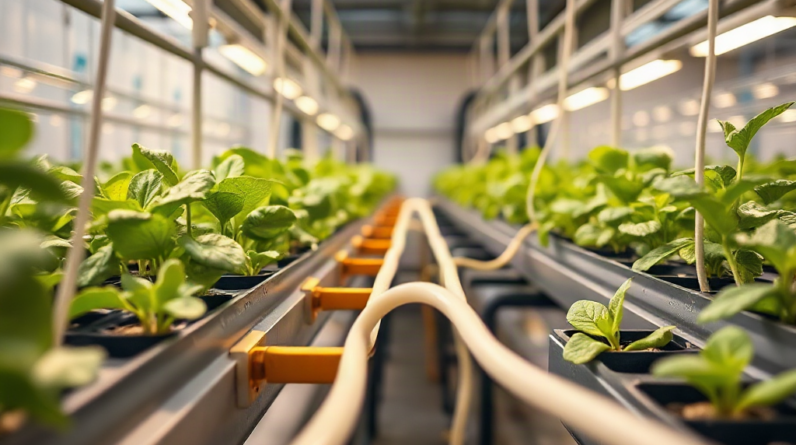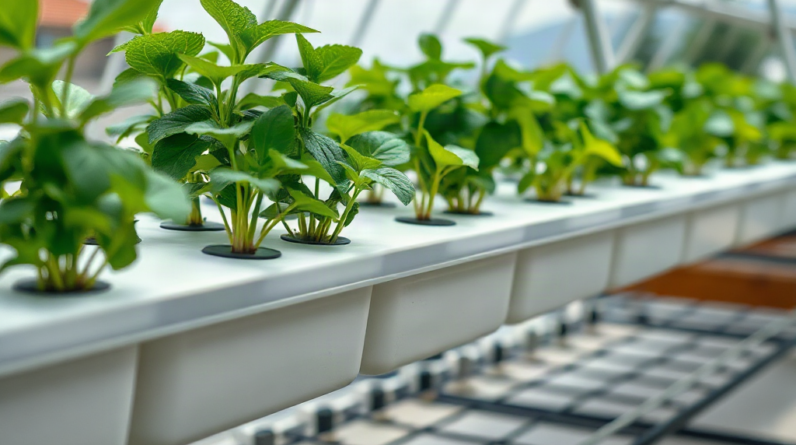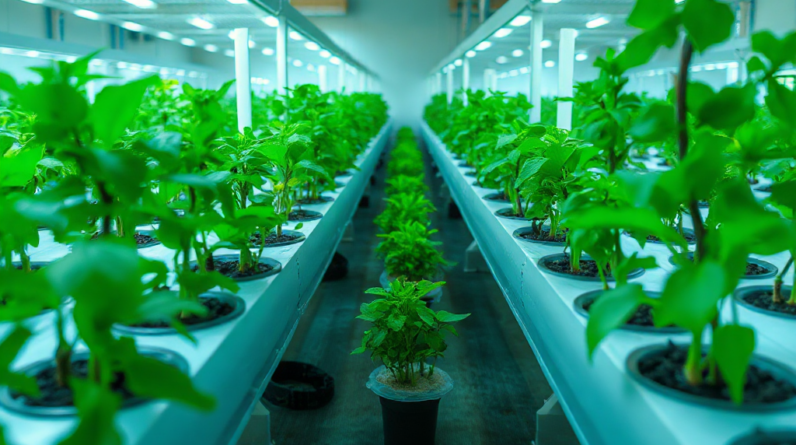
Air circulation is essential in hydroponic setups as it directly influences plant health and growth. Proper airflow helps regulate temperature and humidity, which are critical for preventing diseases and promoting nutrient absorption. To achieve effective air circulation, consider using fans to maintain consistent airflow and ensure adequate spacing between plants to avoid overcrowding. This not only minimizes the risk of mold and pests but also enhances photosynthesis by providing a steady supply of carbon dioxide. Implementing these strategies can lead to healthier plants and improved yields in your hydroponic garden.
Understanding Air Circulation
Air circulation in hydroponic setups refers to the movement of air within the growing environment to maintain optimal conditions for plant health. Proper airflow is crucial as it helps regulate temperature and humidity, both of which are vital for plant growth. In hydroponic systems, where plants are grown without soil, maintaining the right air quality becomes even more critical.
Good air circulation prevents the buildup of heat and humidity, which can create an environment conducive to mold and pests. Additionally, it helps in the distribution of carbon dioxide (CO2) and oxygen, essential for photosynthesis and respiration, respectively. Understanding how air moves in your setup can lead to better plant performance and overall yield.
Benefits of Proper Airflow
Effective air circulation in hydroponic systems offers numerous benefits that directly impact plant health and productivity. One of the primary advantages is improved photosynthesis, as plants require CO2 for this process. Enhanced airflow allows for a consistent supply of CO2, promoting robust plant growth.
Moreover, proper air circulation helps to maintain even temperatures throughout the growing area, reducing the likelihood of heat stress. This is especially important in densely planted setups where heat can accumulate. Additionally, adequate airflow can minimize the risk of fungal diseases, such as powdery mildew, by reducing humidity levels around the plants.
Implementing good air circulation practices can lead to higher yields and healthier plants, making it a crucial aspect of hydroponic gardening.
Common Mistakes in Air Circulation
Many hydroponic growers overlook the importance of air circulation, leading to several common mistakes. One frequent error is not using fans or other ventilation systems effectively. Some growers may rely solely on passive airflow, which may not provide sufficient movement for optimal conditions.
Another mistake is overcrowding plants, which can restrict airflow and create microclimates where humidity levels are higher. This can lead to disease outbreaks and poor plant development. Additionally, neglecting to monitor air quality, such as temperature and humidity, can result in unfavorable conditions that hinder plant growth.
Awareness of these pitfalls is essential for maintaining a healthy hydroponic environment.
Implementing Effective Airflow Strategies
To achieve optimal air circulation in hydroponic setups, several strategies can be implemented. First, use fans to create consistent airflow throughout the growing area. Oscillating fans can help distribute air evenly and prevent hot spots. Positioning fans at strategic locations can enhance circulation without causing excessive wind stress on the plants.
Additionally, ensuring proper spacing between plants is crucial. This allows air to flow freely around each plant, reducing humidity levels and promoting healthier growth. Regularly monitoring temperature and humidity with sensors can provide valuable data to adjust airflow as needed.
Incorporating these strategies will significantly improve air circulation, leading to healthier plants and increased yields.
Frequently Asked Questions
Why is air circulation critical in hydroponic systems?
Air circulation is critical because it regulates temperature and humidity, promotes CO2 availability for photosynthesis, and prevents diseases.
How can I improve air circulation in my hydroponic setup?
Improving air circulation can be achieved by using fans, ensuring proper plant spacing, and regularly monitoring environmental conditions.
What are the signs of inadequate air circulation?
Signs include high humidity levels, poor plant growth, yellowing leaves, and increased pest activity.
Can I rely on natural airflow for my hydroponic system?
While natural airflow can help, it is often insufficient for optimal conditions, especially in enclosed spaces. Mechanical fans are recommended.
What type of fans are best for hydroponic setups?
Oscillating fans are typically best as they provide even air distribution without creating strong winds that could stress plants.
Conclusion
Prioritizing air circulation in hydroponic setups is fundamental for achieving optimal plant health and productivity. By understanding the importance of airflow, implementing effective strategies, and avoiding common mistakes, growers can create a thriving environment for their plants. Regular monitoring and adjustments based on environmental feedback will further enhance the success of hydroponic gardening.