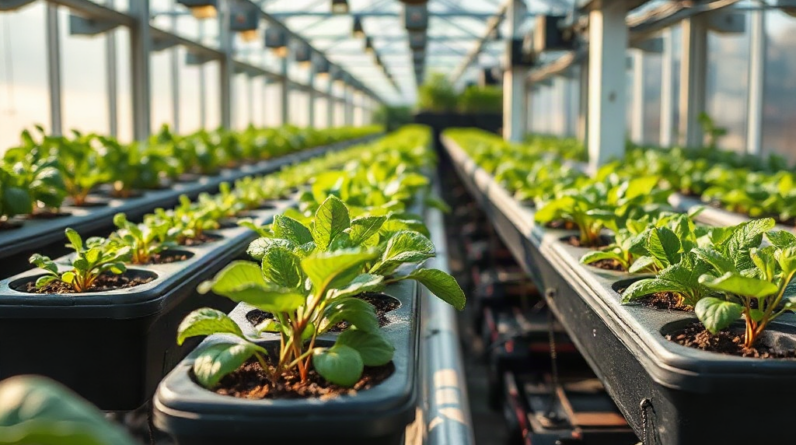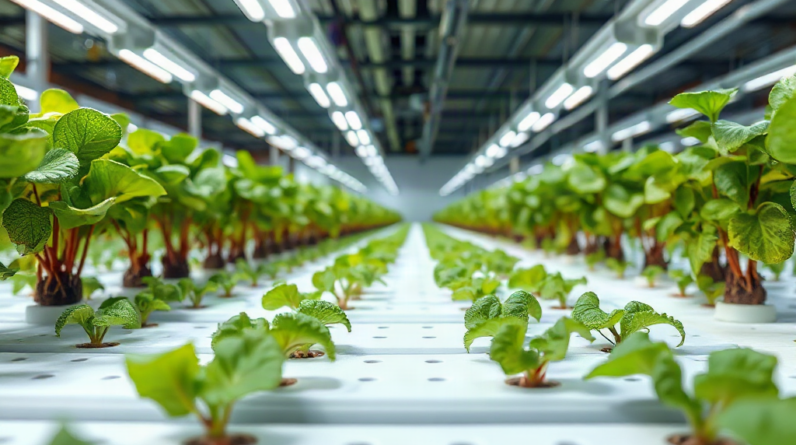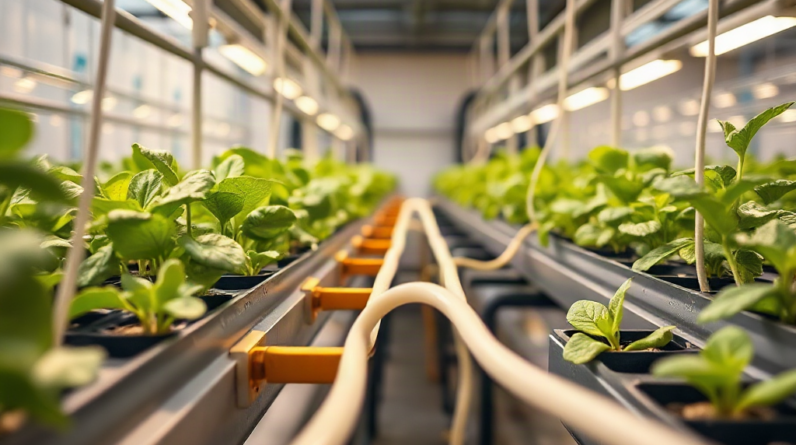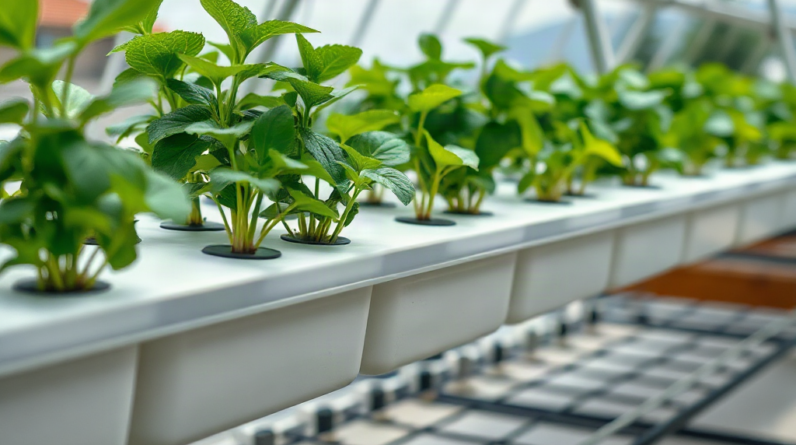
An indoor vertical hydroponic kit is an efficient way to grow plants without soil, utilizing a soilless system that maximizes space and light exposure. Essential components include a vertical structure for stacking plants, grow lights to support photosynthesis, and a nutrient delivery system that ensures plants receive the necessary nutrients. When setting up your kit, it’s vital to choose the right plants that thrive in hydroponic conditions and to monitor pH levels and nutrient concentrations regularly. Avoid common mistakes, such as overwatering or inadequate lighting, to ensure a successful indoor gardening experience.
Understanding Indoor Vertical Hydroponic Kits
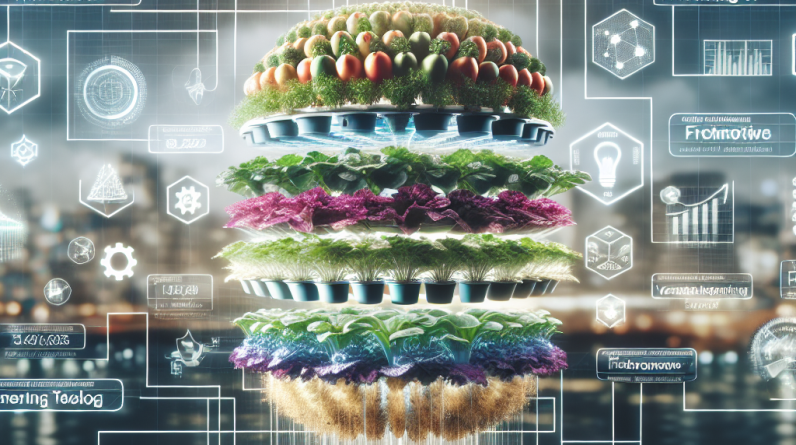
Indoor vertical hydroponic kits are designed for efficient space utilization, allowing gardeners to grow a variety of plants in a controlled environment without soil. This method leverages hydroponics, which delivers nutrients directly to the plant roots through a nutrient-rich water solution. By stacking plants vertically, these systems maximize light exposure and minimize the footprint, making them ideal for urban gardening.
Hydroponic gardening is increasingly popular for its ability to produce fresh herbs, vegetables, and even fruits indoors year-round. This method not only saves space but also reduces water consumption compared to traditional soil gardening. Understanding how these kits work and the benefits they offer is crucial for successful indoor gardening.
Key Components of an Indoor Vertical Hydroponic Kit
To effectively set up an indoor vertical hydroponic kit, it’s essential to understand the key components involved:
- Vertical Structure: This can be a dedicated tower or shelves that hold multiple plants in a vertical arrangement, maximizing space.
- Grow Lights: LED or fluorescent grow lights are crucial for providing the necessary light spectrum for photosynthesis, especially in low-light indoor environments.
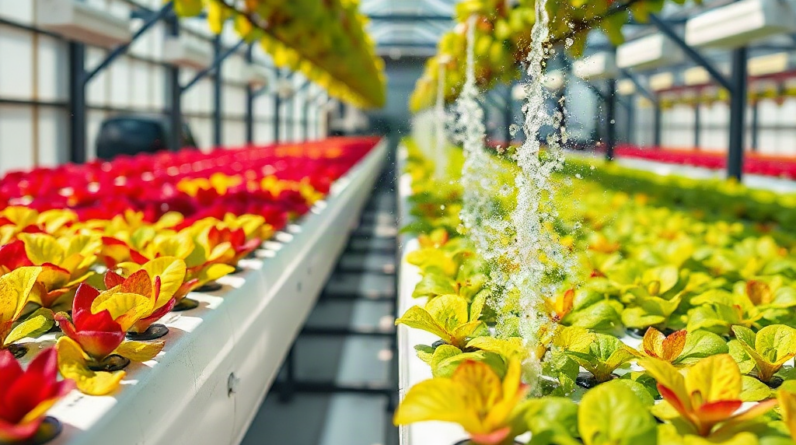
- Nutrient Delivery System: This system typically includes a water reservoir, pump, and tubing that distribute the nutrient solution to the plants.
- Growing Medium: While hydroponics often uses soilless mediums, options like rock wool, clay pebbles, or coconut coir can support plant roots.
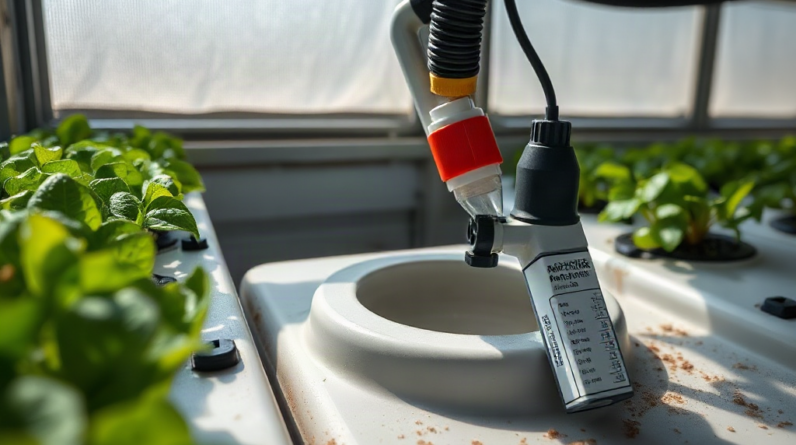
- pH and Nutrient Monitoring Tools: Maintaining the right pH and nutrient levels is vital for plant health; therefore, testing kits and monitors are essential.
Each of these components plays a critical role in ensuring that plants receive adequate nutrients, light, and support for growth.
Setting Up Your Indoor Vertical Hydroponic Kit
Setting up your indoor vertical hydroponic kit involves several steps to ensure optimal growing conditions:
- Choose a Location: Select a space with adequate light access or where you can install grow lights. Ensure the area has good ventilation to prevent mold and pests.
- Assemble the Structure: Follow the manufacturer’s instructions to construct the vertical growing system. Ensure stability and accessibility for maintenance.
- Install Grow Lights: Position grow lights above the plants, ensuring they are adjustable to accommodate plant growth. Set a timer to mimic natural sunlight cycles.
- Fill with Growing Medium: If applicable, place your chosen growing medium into the vertical structure, ensuring it’s adequately moist before planting.
- Add Nutrient Solution: Mix the nutrient solution according to the manufacturer’s guidelines and fill the reservoir. Monitor the solution levels regularly.
By following these steps, you can create an effective indoor vertical hydroponic system that promotes healthy plant growth.
Common Mistakes in Indoor Hydroponic Gardening
Many novice gardeners encounter challenges when starting with indoor vertical hydroponic kits. Here are some common mistakes to avoid:
- Over or Underwatering: Maintaining the right moisture level is crucial; too much water can lead to root rot, while too little can stunt growth.
- Neglecting Light Requirements: Each plant species has specific light needs. Failing to provide adequate light can lead to weak, leggy growth.
- Ignoring pH Levels: The pH level of the nutrient solution affects nutrient availability. Regular testing and adjustment are necessary for optimal growth.
- Choosing Incompatible Plants: Not all plants thrive in hydroponic systems. Selecting suitable plants for your setup is vital for success.
Being aware of these pitfalls can help you manage your indoor vertical hydroponic kit more effectively and achieve better results.
Frequently Asked Questions
What types of plants can I grow in an indoor vertical hydroponic kit?
You can grow a variety of plants, including leafy greens, herbs, and some small fruiting plants. Popular choices include lettuce, basil, and strawberries.
How often should I change the nutrient solution?
It's recommended to change the nutrient solution every 2 to 3 weeks to prevent nutrient buildup and ensure optimal plant growth.
Do I need to pollinate plants in a hydroponic system?
Yes, some plants, especially fruiting varieties, require pollination. You can manually pollinate them using a small brush or by shaking the plants gently.
Can I use tap water in my hydroponic system?
It's best to use filtered or distilled water to avoid chlorine and other chemicals that can harm plants. If using tap water, let it sit for 24 hours to allow chlorine to dissipate.
What is the ideal temperature for indoor hydroponic gardening?
The ideal temperature for most indoor hydroponic plants is between 65°F and 75°F (18°C to 24°C) during the day, with slightly cooler temperatures at night.
Further Reading
Authoritative Sources
- Hydroponics.org
hydroponics.orgA comprehensive resource for hydroponic gardening techniques and best practices
- USC Hydroponics
usc.eduUniversity research on hydroponics, offering insights on effective growing methods
- Gardening Know How
gardeningknowhow.comPractical advice on various gardening methods, including hydroponics
- Urban Agriculture
urbanagriculture.orgResources and research on urban gardening techniques, including vertical systems
Conclusion
Indoor vertical hydroponic kits provide an innovative solution for growing plants in limited spaces while maximizing yield. By understanding the essential components, setting up correctly, and avoiding common mistakes, you can create a thriving indoor garden. Prioritize maintaining the right environmental conditions and choose suitable plants to ensure success in your hydroponic gardening journey.