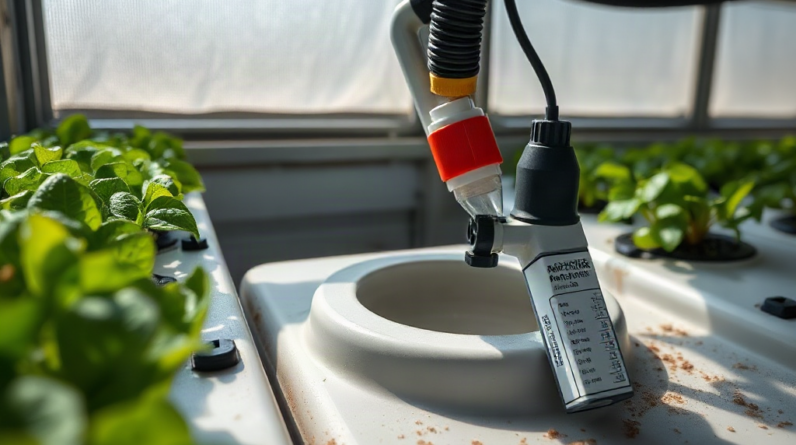
Moreover, the choice of materials and equipment plays a significant role in the efficiency of your hydroponic system. For instance, using high-quality pumps and grow lights can enhance water circulation and ensure that plants receive the necessary light spectrum for photosynthesis. Investing in reliable components can save you time and potential frustration in the long run.
Understanding the Basics of Hydroponics
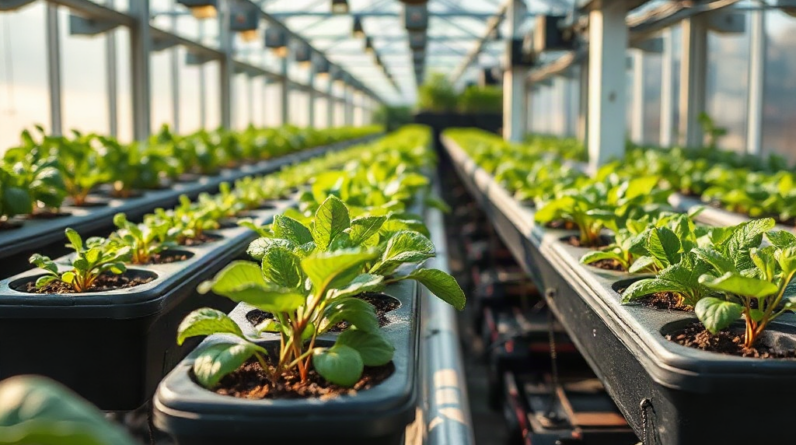
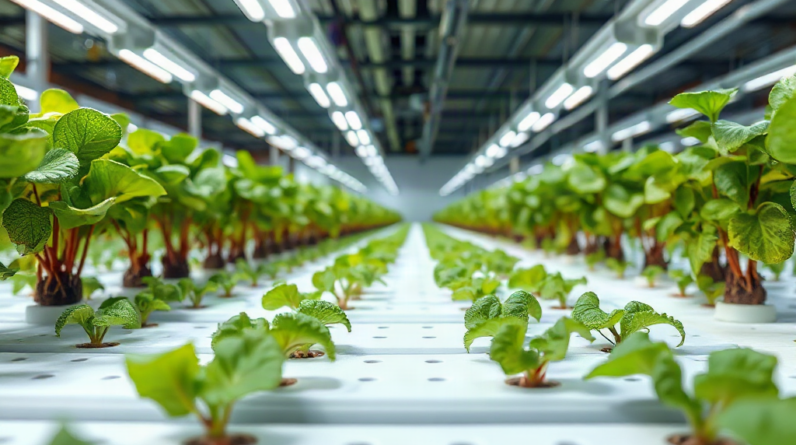
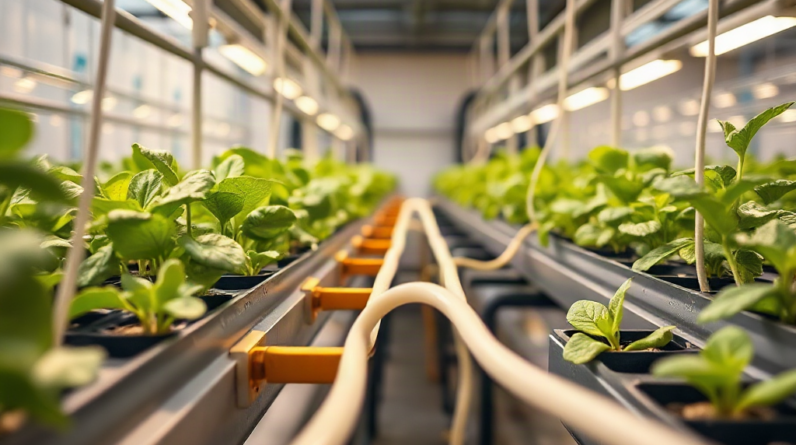
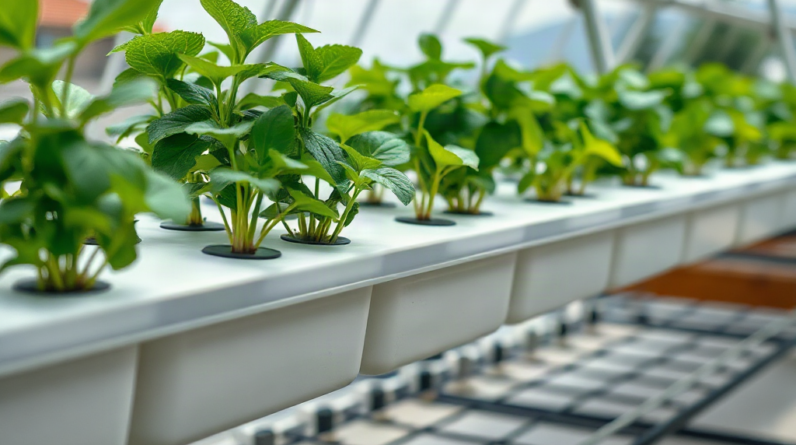
Hydroponics is a method of growing plants without soil, using nutrient solutions in water to deliver essential minerals directly to the plant roots. This technique allows for faster growth rates and higher yields compared to traditional soil gardening. In an indoor vertical hydroponic kit, the plants are often stacked vertically, which optimizes space and enhances air circulation.
Implementing hydroponics indoors requires careful attention to environmental factors such as temperature, humidity, and light. By maintaining ideal conditions, gardeners can create a thriving ecosystem for their plants, leading to successful harvests year-round. Understanding these fundamentals is vital for anyone considering this innovative gardening method.
Key Components of an Indoor Vertical Hydroponic Kit
An effective indoor vertical hydroponic kit typically includes several essential components: a vertical growing structure, a water reservoir, a pump for nutrient delivery, and grow lights. The vertical structure can be made from various materials, such as plastic or metal, and should be designed to support the weight of the plants as they grow.
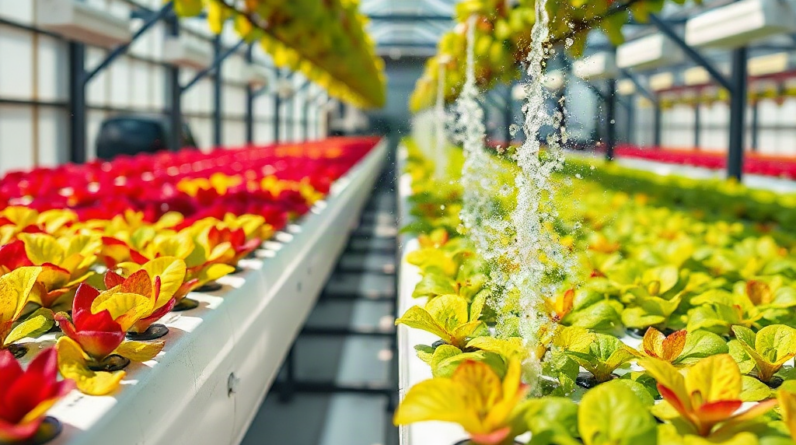
The water reservoir is crucial for holding the nutrient solution, which needs to be circulated to the plant roots regularly. A reliable pump ensures that the solution is evenly distributed, promoting healthy root development. Additionally, grow lights are necessary to provide the right light spectrum for photosynthesis, especially in indoor settings where natural sunlight may be insufficient.
Choosing the Right Plants for Your System
When selecting plants for your indoor vertical hydroponic kit, it’s essential to consider their growth habits and nutrient requirements. Leafy greens, such as lettuce and spinach, are excellent choices for beginners due to their fast growth and low nutrient demands. Herbs like basil and cilantro also perform well in hydroponic systems and can add flavor to your dishes.
Understanding the specific needs of your chosen plants will help ensure their success in a hydroponic environment. For example, some plants may require more light or specific nutrient ratios, so researching each variety beforehand is crucial. This knowledge will enable you to create an optimal growing environment tailored to your plants’ needs.
Common Mistakes to Avoid
One of the most significant pitfalls in hydroponic gardening is over-fertilization, which can lead to nutrient burn and damage your plants. It’s important to follow the recommended nutrient guidelines and adjust based on plant response. Additionally, neglecting to monitor water pH and nutrient levels can result in poor plant health.
Another common mistake is inadequate lighting. Many growers underestimate the amount of light required for healthy growth, leading to leggy or weak plants. Investing in quality grow lights and ensuring they are positioned correctly can make a substantial difference in your indoor vertical hydroponic kit’s success.
Frequently Asked Questions
What is an indoor vertical hydroponic kit?
An indoor vertical hydroponic kit is a system designed for growing plants vertically using a nutrient-rich water solution instead of soil, maximizing space and light exposure.
How do I choose the right plants for my hydroponic kit?
Select plants that have similar nutrient and light requirements; leafy greens and herbs are ideal for beginners due to their fast growth and low maintenance.
What are common mistakes in hydroponic gardening?
Common mistakes include over-fertilization, inadequate lighting, and neglecting to monitor pH and nutrient levels, all of which can harm plant health.
How often should I change the nutrient solution?
Typically, you should change the nutrient solution every two weeks, but monitor your plants for signs of nutrient deficiency or excess to adjust as needed.
Can I use tap water in my hydroponic system?
Tap water can be used, but it’s essential to check the pH and chlorine levels, as high chlorine can harm plants; using filtered or distilled water is often recommended.
Conclusion
In conclusion, an indoor vertical hydroponic kit offers an innovative solution for growing plants in limited spaces while maximizing efficiency. By understanding the essential components, choosing the right plants, and avoiding common mistakes, you can create a thriving indoor garden. Focus on providing adequate light and maintaining nutrient balance to ensure the best possible growth. With the right approach, you can enjoy a successful and rewarding hydroponic gardening experience.