Hydroponic lettuce can be cheaper to grow at home over repeated harvests, but it is usually more expensive than store-bought lettuce during the first setup cycle. The result depends on equipment cost, electricity for lighting and pumps, nutrient use, seed prices, and how consistently the system produces healthy heads. A simple window-lit raft or small deep-water setup has a better chance of reaching savings than a large illuminated tower with frequent replacement parts. To judge the economics fairly, divide setup costs across several harvests, include failed seedlings and maintenance, and compare the usable weight of homegrown leaves with the price of comparable fresh lettuce.
What Determines the Cost of Homegrown Lettuce
The price advantage of homegrown lettuce is governed less by the seed and more by the complete growing setup. Lettuce seed is inexpensive, and a small amount of nutrient solution can support several plantings. The larger financial questions are whether you need artificial lighting, how much equipment you buy at the beginning, and whether the system remains productive instead of sitting empty between harvests.
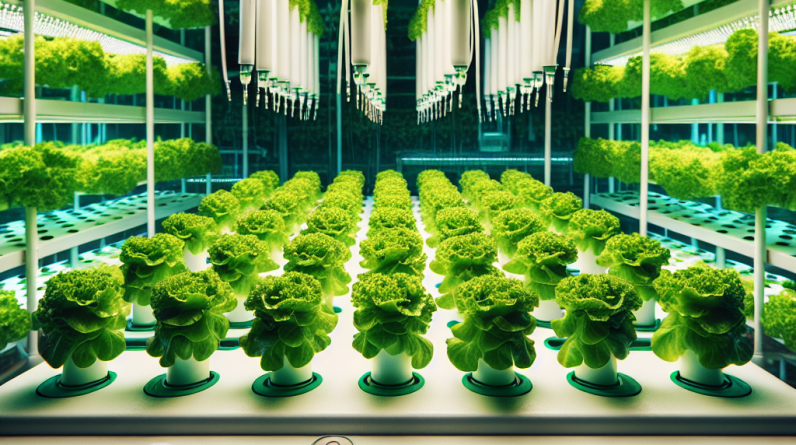
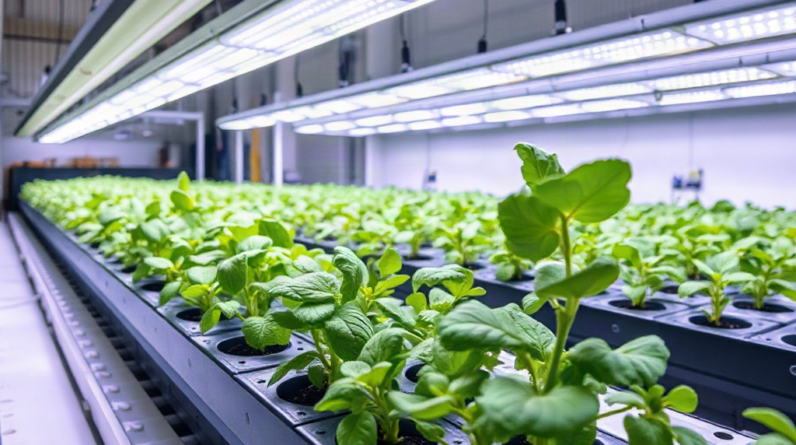
A basic deep-water culture arrangement may use a food-safe container, an air pump, an air stone, net pots, growing media, nutrients, and seeds. A countertop unit may add a circulation pump, built-in LEDs, a timer, and proprietary replacement parts. Both can grow lettuce, but their cost profiles differ. The simpler arrangement generally has a lower entry price, while the packaged unit may reduce assembly work and make light management easier.
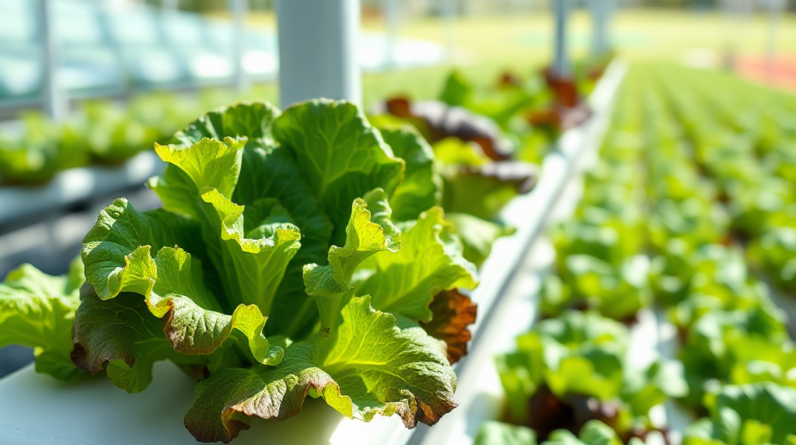
Compare usable harvest cost, not just the number of plants. A tray that produces several small servings may look productive, but damaged roots, bolting, or uneven growth reduce what actually reaches the plate. Lettuce grown indoors under lights also uses electricity throughout the crop cycle. If a sunny, cool growing location supplies adequate light, that expense may be small or absent; a dark room changes the calculation.
Seasonal conditions matter as well. A home system can produce during periods when outdoor lettuce is difficult to maintain, which gives it value beyond a supermarket price comparison. Yet convenience and freshness are not the same as cash savings. Someone who already owns suitable lights and a pump may reach a lower per-serving cost than someone purchasing every component for a single crop.
Readers comparing this question with Is hydroponic lettuce cheaper to grow at home should separate three goals: minimizing spending, obtaining very fresh leaves, and enjoying a controlled growing project. The cheapest option for one goal may not be the best choice for another.
Where Hydroponic Savings Can Appear
Hydroponic production can reduce recurring costs when the system is reused efficiently. The container, air pump, light fixture, timer, and many fittings are durable inputs rather than expenses that recur with every harvest. Once those items are paid for, later crops mainly require seed, nutrient concentrate, growing media, water, electricity, and occasional replacement parts.
Frequent harvesting is the main route to a lower unit cost. A grower who plants a few new lettuce seeds every week or two can keep the light and pump occupied, spread setup costs across more harvests, and avoid buying a large batch of produce after a failed cycle. Continuous use also reveals problems earlier. For instance, a grower may notice that a particular light leaves the outer leaves thin or that a warm reservoir causes poor root growth before investing in another crop.
Home production can also reduce waste. Store-bought lettuce may be discarded when a package wilts before it is used. Cut-and-come-again harvesting allows a household to remove only the leaves needed for a meal, although repeated leaf harvest still requires healthy plants and adequate time between cuts. The value is greatest for people who regularly eat lettuce rather than those who use it once every few weeks.
A small example illustrates the difference between recurring and one-time costs. Suppose a grower already owns a shelf and a suitable lamp, then adds a modest reservoir and air pump. The next planting has relatively few new expenses. Someone buying a complete illuminated appliance, replacement pods, branded nutrients, and extra accessories may need many successful harvests before the average cost approaches retail produce.
The common mistake is treating every claimed benefit as a monetary saving. Reduced food waste may matter to a household, but it should be recorded separately from lower growing expense. Freshness, control over inputs, and the ability to grow in winter are legitimate benefits, yet they do not prove that the crop is cheaper.
The Expenses That Change the Calculation
Electricity is often the most overlooked operating expense in indoor production. An LED light draws power for many hours each day, and an air pump or circulation pump adds a smaller but continuous load. The cost depends on the wattage, operating schedule, and local electricity rate, so a grower should use the appliance label or a plug-in energy meter rather than guess from the system’s size.
Setup costs deserve careful treatment. Include the reservoir or grow channel, light, pump, timer, net pots, media, pH or conductivity tools if purchased, and sanitation supplies. A system assembled from readily available parts may be economical to repair. A proprietary unit may be easier to operate but can make replacement pods, nutrient cartridges, or specialized components more expensive.
Crop losses are another real cost. Lettuce can fail because seeds germinate poorly, roots remain too wet, nutrient strength is unsuitable, algae grows around exposed water, or the growing area becomes too warm. A failed batch consumes seed, media, water, electricity, and time without producing food. Beginners often omit these losses from their calculation and compare an ideal harvest to the full retail price of lettuce.
Water and nutrients usually represent a smaller portion of the budget than equipment and lighting, but waste still matters. Replacing a reservoir unnecessarily, discarding usable nutrient solution, or mixing more concentrate than the plants require raises the cost. Follow the product label, monitor plant response, and avoid assuming that a stronger solution will produce faster growth. Lettuce is sensitive to an imbalanced root-zone environment, and excess concentration can create leaf-edge damage or stalled growth.
Sanitation has both financial and practical importance. A dirty reservoir may encourage recurring root problems, forcing premature cleaning, lost plants, and replacement media. Cleaning between cycles does not guarantee success, but it lowers the chance that residue or decaying roots will carry problems into the next planting. The opposite mistake is buying unnecessary treatments before checking light, temperature, water movement, and root condition.
Use a short expense list before starting:
- Record the purchase price of durable equipment and the number of harvests you expect it to serve.
- Estimate lighting and pump electricity from actual wattage and operating hours.
- Track seeds, media, nutrients, water, replacement parts, and failed plants.
- Value only the lettuce you would otherwise have purchased and actually eat.
A Practical Way to Compare Your Costs
A fair comparison uses the cost per usable serving or per comparable package, not cost per seedling. Add the durable setup cost, operating expenses, and losses for a defined period, then subtract nothing for equipment that has resale value unless you actually plan to sell it. Divide the result by the amount of lettuce harvested and used. This produces a more honest figure than dividing by the number of net pots.
Keep a simple growing record for at least several cycles. Note the date of sowing, number of plants started, number harvested, approximate weight or serving count, and purchases made for that cycle. Record electricity separately if lighting is used. A plug-in meter can provide a clearer estimate than the wattage printed on a lamp because appliances do not always draw power exactly as their maximum rating suggests.
Compare like with like. Loose leafy lettuce from a low-cost supermarket is not identical to a premium living head, packaged salad mix, or local farmers-market produce. If your home crop is harvested as individual leaves, compare it with the type of greens you would normally buy. Include edible yield: an undersized head with damaged outer leaves should not be counted as a full standard head.
Consider a scenario in which the first crop loses several plants because seedlings were transplanted too early. The second crop may improve after the grower changes the light distance and cleans the reservoir. Averaging both cycles gives a more realistic household cost than using only the successful second result. Early mistakes are part of the startup learning curve, but they still affect the economics of beginning at home.
The most useful decision test is simple: would you continue running the system often enough to distribute the initial cost? If the answer is no, buying lettuce is likely cheaper. If the system will produce regular harvests, use existing equipment, and replace a meaningful amount of purchased greens, the average cost may become competitive. Readers planning equipment choices can also consult Is hydroponic lettuce cheaper to grow at home alongside their own receipts and utility records.
When Growing at Home Makes Financial Sense
Home hydroponic lettuce is most financially defensible for households that eat greens regularly, have a suitable growing location, and will operate the system through multiple cycles. Existing shelves, lights, containers, or pumps can substantially reduce the amount of new money required. A compact setup also limits the risk of paying for capacity that the household never uses.
Buying lettuce is usually the cheaper choice when the comparison covers only one or two harvests, when a complete system must be purchased, or when the crop will run under high-energy lighting for a small yield. It may also be the practical choice for a household that travels frequently. Neglected water levels, missed observations, or delayed cleaning can cause crop loss, turning an apparent saving into another purchase at the store.
Prioritize reliable production before adding features. A simple arrangement that maintains stable water movement, adequate light, and clean roots is more valuable than a larger unit with automation that does not fit your routine. Check the plants regularly, keep the reservoir from becoming warm, and harvest before the leaves become overly mature or bitter. Good production lowers waste; elaborate equipment alone does not.
A sensible starting plan is to grow a small number of plants, measure the operating cost, and repeat the crop before expanding. Look for even growth, firm roots, healthy leaf color, and a harvest that replaces a real purchase. Signs that the economics are failing include repeated germination problems, many unused plants, excessive replacement purchases, and a lamp or pump running for a yield the household rarely consumes.
Freshness can justify the project even when the arithmetic is only comparable rather than cheaper. Harvesting a few leaves for a meal may reduce waste and provide a more convenient supply. That convenience should be treated as part of the household’s value judgment, not disguised as a guaranteed financial return. For related planning, Is hydroponic lettuce cheaper to grow at home is best answered with your own harvest log after the system has operated through several complete cycles.
Frequently Asked Questions
Is hydroponic lettuce cheaper than buying it at the store?
It may be after equipment costs are spread across repeated harvests, but store-bought lettuce is often cheaper during the first cycles or when artificial lighting and a complete kit are required.
What is the cheapest way to grow lettuce hydroponically at home?
A small deep-water or raft-style setup using durable, readily available components can limit startup expense. Adequate natural light may reduce electricity costs, provided the location is suitable for healthy growth.
Does electricity make indoor lettuce expensive?
It can. Light wattage, daily operating hours, pump use, and local utility rates determine the added cost, so measure or calculate actual consumption instead of assuming that LEDs are free to operate.
How should failed plants affect the cost calculation?
Count the seed, media, nutrients, water, electricity, and time used by plants that never produce an edible harvest. Averaging successful and failed cycles gives a more realistic result.
How many harvests should I track before deciding?
Track several complete cycles, including at least one ordinary or disappointing result. Repeated records reveal whether the system is productive enough to offset its setup and operating expenses.
Further Reading
Authoritative Sources
- Academy of Nutrition and Dietetics
eatright.orgProfessional nutrition guidance, healthy eating resources, and practical dietitian-reviewed advice.
- U.S. Department of Agriculture
usda.govOfficial food, nutrition, agriculture, and consumer guidance from the USDA.
- NIH Office of Dietary Supplements
ods.od.nih.govResearch-based fact sheets on nutrients, supplements, dietary intake, and safety considerations.
- International Society of Sports Nutrition
sportsnutritionsociety.orgEvidence-informed sports nutrition resources and position stands for active people and athletes.
Conclusion
Homegrown hydroponic lettuce is not automatically a bargain. The financial result improves when the system is modest, reused frequently, supplied with efficient lighting or suitable natural light, and operated well enough to avoid repeated crop losses. A costly illuminated unit used occasionally may never beat supermarket prices, while a simple setup that supplies greens every week can become competitive over time.
Begin with the smallest arrangement that meets your household’s actual lettuce consumption. Record equipment, electricity, nutrients, seeds, media, failures, and usable harvests rather than relying on ideal estimates. After several cycles, compare your cost per serving with the lettuce you would otherwise buy. That record will show whether your setup is saving money, primarily delivering freshness, or functioning as a hobby whose value lies beyond the grocery receipt.