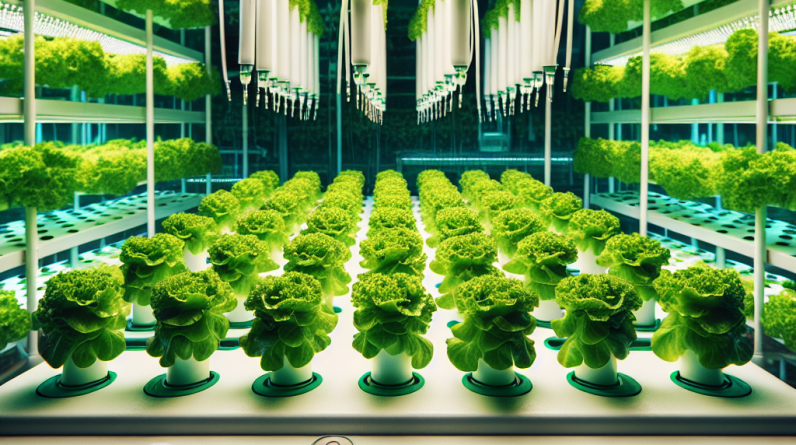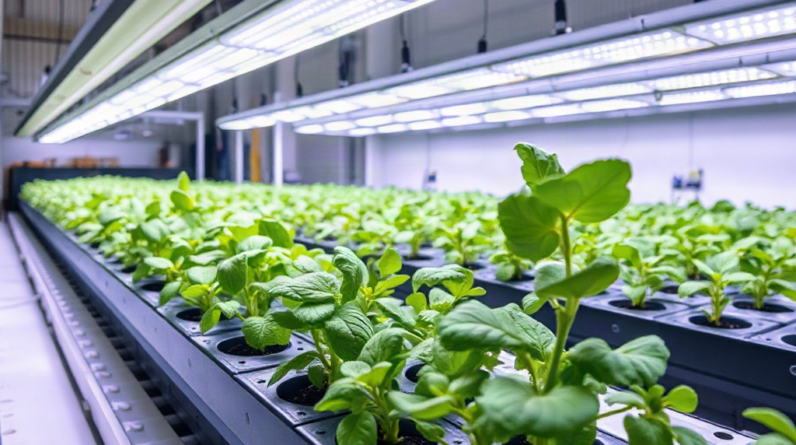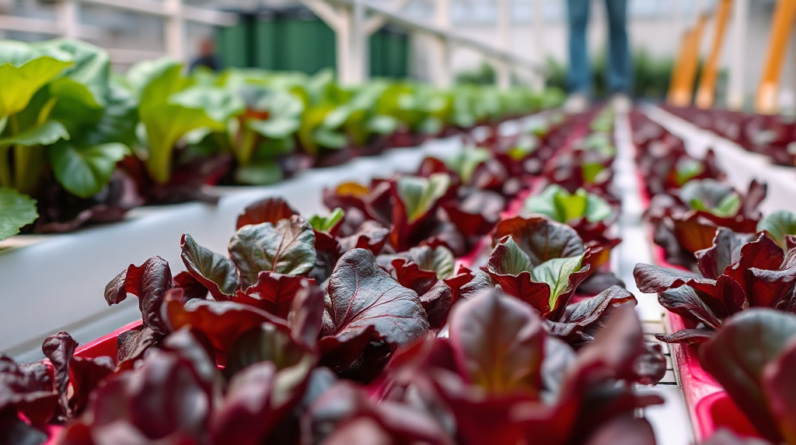
A hydroponic lettuce succession planting schedule usually means sowing a new batch every 7–14 days, moving seedlings into available sites as older plants approach harvest, and adjusting the interval for cultivar, temperature, light, and household demand. Shorter intervals suit fast-growing leaf lettuce and frequent harvests, while slower varieties or warm conditions may require more space between sowings. Track germination, transplanting, harvest size, and vacant channels rather than relying only on calendar dates. The main mistake is planting a fixed number of seeds without accounting for germination losses, bolting risk, or the system’s limited growing sites.
Build the Schedule Around Harvest Demand
A succession schedule works when each planting wave replaces a predictable portion of the previous wave. The useful starting point is not a seed packet’s promised maturity date; it is the amount of lettuce your household, restaurant, or market actually uses each week. A grower harvesting two heads weekly needs a different rhythm from someone cutting loose leaves several times a week.
Decide first whether you will harvest whole heads, outer leaves, or a mixture. Whole-head production creates a clear replacement date: a mature plant leaves one open site. Cut-and-come-again harvesting keeps a plant productive longer, but harvest timing becomes less uniform and plants may eventually develop elongated stems or bitter leaves. That difference affects both the number of plants needed and the interval between sowings.
For a small indoor raft or channel, a practical plan might involve sowing six seeds every 10 days, transplanting the strongest seedlings after they establish roots, and harvesting two or three plants from the oldest group. The extra seedlings cover uneven germination and early losses. If all six survive, you can remove the least vigorous plants or stagger their harvest rather than forcing every plant into the system.
Keep a simple record with four dates: sowing, transplanting, first usable harvest, and final removal. This reveals your actual production cycle. A calendar estimate may say a cultivar is ready in five weeks, while your room’s low light or cool nutrient solution stretches that period. Replacing the estimate with observed dates makes the next planting wave more accurate.
Use Hydroponic lettuce succession planting schedule notes as a production log, not just a reminder list. The most useful signal is whether an older group is still occupying sites when the next group is ready to transplant.
Choose Sowing and Transplant Intervals
For many home systems, sowing lettuce every 7–14 days is a workable starting range. A weekly interval produces overlapping age groups and a steadier supply, but it also increases nursery work and may create more plants than a compact system can hold. A 14-day interval is easier to manage and suits growers who want larger harvests less often.
Growth rate changes the interval. Fast leaf types may reach a useful harvest before slower butterhead or romaine types, so planting every two weeks can leave a gap if the first group is removed quickly. Conversely, warm conditions can accelerate stem extension and bolting, making a large overlap risky. In a warm grow room, it can be wiser to plant fewer seeds more frequently, allowing the crop to move through the system before quality declines.
Separate the nursery schedule from the harvest schedule. Lettuce may spend several days germinating and then another period developing a root plug before it belongs in the main system. If seedlings are transplanted too early, weak roots may struggle with water movement; if they remain crowded in a propagation tray, roots can tangle and plants may stretch toward the light.
A useful working calculation is:
- Plants needed per wave: weekly harvest target multiplied by the number of weeks between harvests.
- Seeds to sow: desired established seedlings plus a modest allowance for failed germination or weak plants.
- Planting interval: available sites divided by the number of plants harvested per week, then adjusted for the crop’s observed growth period.
These are planning tools rather than guarantees. Cultivar size, root-zone temperature, light intensity, nutrient management, and harvest style can all shift the result. Compare a weekly and fortnightly pattern for one crop cycle. Choose the shorter interval if supply gaps are costly; choose the longer one if labor, seedling space, or electricity is the limiting resource.
Do not confuse a higher sowing frequency with higher output. If the system has 24 sites and mature plants occupy them for five weeks, sowing more seeds does not create extra room. It only increases discarded seedlings or overcrowding unless harvest timing changes too.
Match Planting Waves to Available Sites
The number of planting sites sets the physical ceiling for succession production. Count open positions in the raft, nutrient film channel, tower, or deep-water culture lid, then reserve space for seedlings that are not yet ready for final spacing. A schedule that ignores site capacity often looks productive on paper but fails when mature plants remain in place longer than expected.
Spacing also matters. Lettuce can appear small at transplanting while developing a broad canopy near harvest. If neighboring plants touch too early, leaves dry slowly after condensation or irrigation, airflow declines, and harvesting becomes awkward. Wider spacing may reduce the number of plants per wave but can improve access and make whole-head harvest more predictable.
Consider a 30-site system intended to provide five mature heads per week. If plants occupy sites for about six weeks, the system is already operating near its capacity. A grower could sow five replacement seedlings weekly, but there is little room for delays. If harvest slips by one week, the following wave has nowhere to go. A more resilient plan might harvest four heads weekly, keep a few sites as flexible replacements, and maintain a small nursery reserve.
Separate crops by age when possible. Marking channels or rafts with sowing dates prevents accidental removal of young plants and makes it easier to identify a slow group. In mixed systems, place similar cultivars together because their canopy size and harvest timing may differ. A compact leaf lettuce can be ready while a romaine beside it still needs substantial space.
Use succession planting records to flag three practical states: nursery, established growth, and harvest-ready. That simple classification is more useful than labeling every plant only by variety. It shows whether the bottleneck is seedling production, empty sites, or delayed harvest.
The common failure is filling every position immediately. Full occupancy may maximize short-term site use, but it removes the buffer needed for germination failures, pump interruptions, disease removal, or a crop that matures unevenly. A small reserve of clean, empty sites can be more valuable than squeezing in a final plant.
Adjust the Plan When Growth Changes
A reliable schedule is revised from crop observations. Watch for uneven germination, stretched seedlings, pale new growth, tip damage, sluggish root development, excessive warmth, or premature flowering. These signs do not all point to the same problem, but each can change the expected harvest window and therefore the next sowing date.
Light and temperature are especially influential. Low light often produces elongated seedlings that need more time to form a useful canopy. Warm conditions can speed early growth while reducing the time before bolting or leaf-quality decline. Rather than automatically planting more often, identify whether the crop is growing slowly or aging too quickly. The remedy for a delayed crop may be better light or root-zone conditions; the remedy for a crop aging in heat may be a cooler environment and a shorter production window.
Nutrient management should be interpreted alongside plant appearance and system measurements. Lettuce needs access to water, oxygen, and appropriate nutrients, but adding fertilizer to compensate for poor root oxygenation will not solve a stagnant root zone. Check reservoir temperature, aeration, circulation, pH, and electrical conductivity according to the chosen nutrient product before changing the planting rhythm.
When a wave falls behind, avoid transplanting every available seedling into the system. Hold only healthy plants that fit the remaining capacity, and reschedule the next sowing if the delay will create an age-group pileup. When a wave matures early, harvest selectively and bring forward the next group if its roots and canopy are established.
A short weekly review can keep the plan realistic:
- Record how many seedlings established and how many sites they occupy.
- Estimate the next harvest window from plant size, not just sowing date.
- Remove damaged or diseased plants promptly and sanitize reusable components as appropriate.
- Change the next sowing quantity or interval only after identifying the cause of the mismatch.
Use lettuce succession planning to balance consistency against labor. A highly detailed schedule suits market production, while a home grower may prefer two repeating sowing days each month. The better approach is the one that can be maintained accurately and still leaves room for environmental variation.
Frequently Asked Questions
How often should lettuce be planted in a hydroponic system?
Sow a new batch every 7–14 days as a starting point. Use the shorter interval for frequent small harvests and the longer interval when the system, nursery space, or household demand is limited.
Should every lettuce seedling be moved into the system?
No. Transplant healthy seedlings that fit available sites, and remove weak, crowded, or poorly rooted plants rather than allowing them to reduce spacing and airflow.
What is the best interval for whole-head lettuce?
Many growers begin with a weekly or fortnightly wave, then adjust it to the actual time plants occupy sites. Whole-head harvests make replacement dates easier to track than repeated leaf harvests.
Why does a fixed calendar schedule stop working?
Growth changes with cultivar, light, temperature, root-zone oxygen, and nutrient management. A group that matures late can block sites needed by the next wave, so observed plant size should guide revisions.
How can I prevent too much lettuce from maturing at once?
Reduce the number of seeds per wave, widen the interval between sowings, or use staggered harvests. Keep a small capacity buffer instead of filling every site at every planting.
Further Reading
Authoritative Sources
- Academy of Nutrition and Dietetics
eatright.orgProfessional nutrition guidance, healthy eating resources, and practical dietitian-reviewed advice.
- U.S. Department of Agriculture
usda.govOfficial food, nutrition, agriculture, and consumer guidance from the USDA.
- NIH Office of Dietary Supplements
ods.od.nih.govResearch-based fact sheets on nutrients, supplements, dietary intake, and safety considerations.
- International Society of Sports Nutrition
sportsnutritionsociety.orgEvidence-informed sports nutrition resources and position stands for active people and athletes.
Conclusion
A productive lettuce succession plan links three realities: how much lettuce you use, how long each plant occupies a site, and how quickly the growing environment moves the crop toward harvest. Begin with a modest 7–14-day sowing interval, record real transplant and harvest dates, and adjust wave size to the number of available positions. Treat temperature, light, root-zone oxygen, and cultivar choice as schedule variables rather than background details. Leave enough capacity to absorb delayed growth, failed seedlings, or an early removal. After one or two crop cycles, your records will show whether the limiting factor is nursery space, harvest demand, or system capacity. That evidence is more dependable than copying a fixed calendar from another setup.