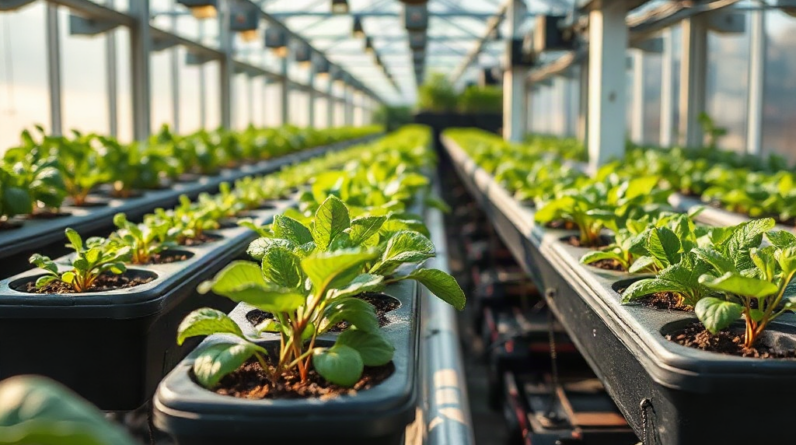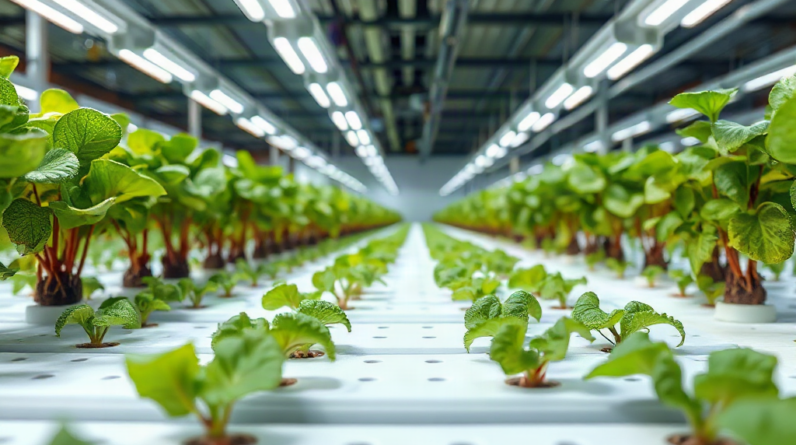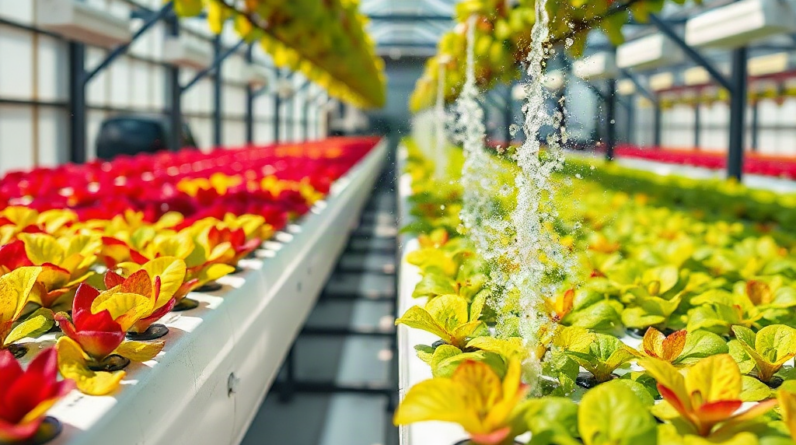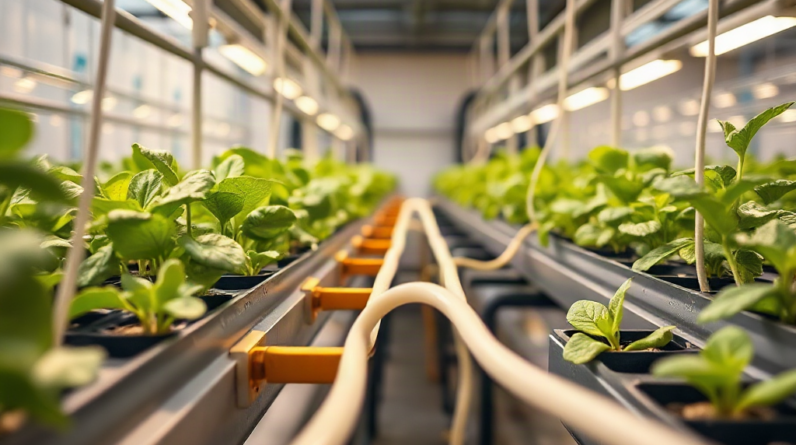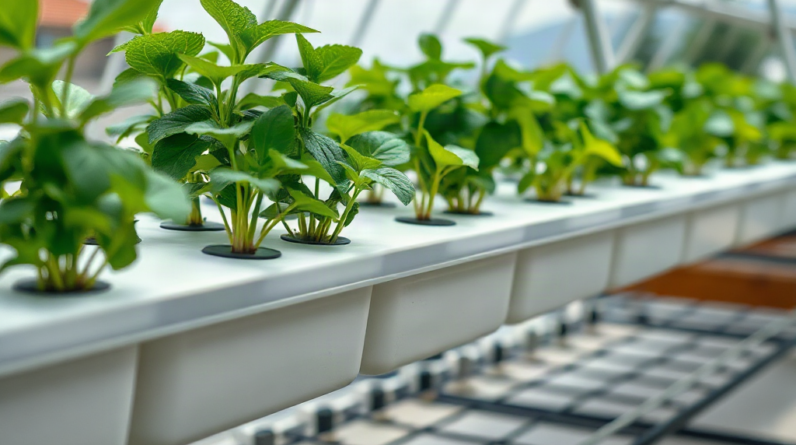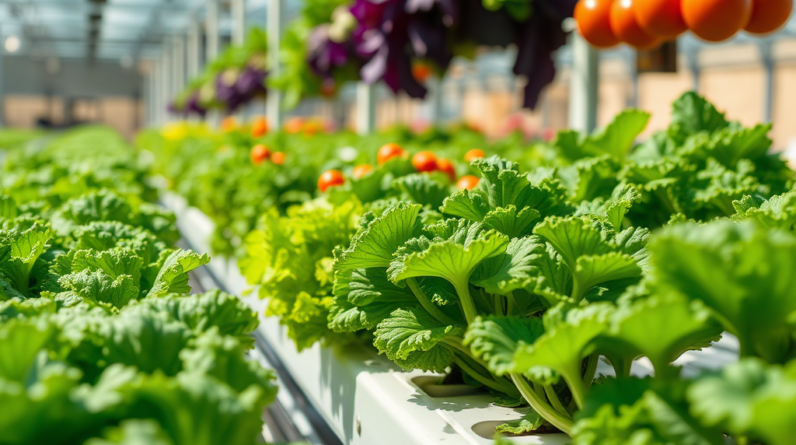
Hydroponic vegetables can sometimes lack flavor due to factors like nutrient imbalances, insufficient light, and incorrect pH levels. For instance, too much nitrogen can promote leafy growth at the expense of taste, leading to bland produce. To improve flavor, maintain a balanced nutrient solution tailored to the specific crop, optimize light exposure to encourage flavor development, and regularly check pH levels, ideally between 5.5 and 6.5. Implementing these practices can help enhance the taste of your hydroponically grown vegetables, making them more enjoyable to eat.
Understanding Flavor Development in Hydroponics
Flavor in hydroponic vegetables is influenced by several environmental and nutritional factors. Unlike soil-grown plants, which can draw from a diverse array of nutrients and microorganisms, hydroponic systems rely on precisely controlled nutrient solutions. This control can lead to superior growth rates and yields; however, it can also result in flavor deficiencies if not managed correctly. The primary flavor compounds in vegetables are developed through metabolic processes that can be affected by the growing conditions.
For instance, certain plants develop their flavor profiles through stress responses. When plants experience stress from factors like limited nutrients or light, they often produce more flavorful compounds as a survival mechanism. Understanding how to simulate these stress conditions without harming the plant is crucial for enhancing flavor in hydroponic systems.
Nutrient Imbalance and Its Impact on Taste
Nutrient management is critical in hydroponics, as an imbalance can lead to poor flavor in vegetables. Essential nutrients such as nitrogen, phosphorus, and potassium must be present in the right proportions. For example, excessive nitrogen can lead to lush green foliage but may result in bland taste, as the plant focuses on leaf growth rather than flavor development.
To ensure a balanced nutrient profile, regularly test the nutrient solution and adjust as needed. A good practice is to use a complete nutrient solution designed for specific crops and to follow the manufacturer’s guidelines on dosage. Additionally, incorporating organic additives like seaweed extract can enhance flavor by supplying trace minerals and promoting beneficial microbial activity.
Light Exposure: A Key Factor in Flavor Quality
Light is another crucial element affecting flavor in hydroponic vegetables. The intensity and duration of light exposure can significantly influence the production of secondary metabolites that contribute to flavor. Insufficient light can lead to underdeveloped flavors, while too much light can cause stress that may negatively affect growth and taste.
Optimal light conditions vary among different crops; for instance, leafy greens like lettuce thrive under lower light intensities, while fruiting plants such as tomatoes require more intense light. Utilizing full-spectrum LED grow lights can help mimic natural sunlight and provide the necessary wavelengths for photosynthesis, thereby enhancing flavor development. Regularly adjusting light schedules to mimic seasonal changes can also be beneficial.
pH Levels and Their Role in Flavor Enhancement
The pH level of the nutrient solution is fundamental to nutrient absorption and can significantly impact flavor. Most hydroponic vegetables flourish within a pH range of 5.5 to 6.5. If the pH is too high or too low, plants may struggle to absorb essential nutrients, leading to deficiencies that can alter flavor profiles.
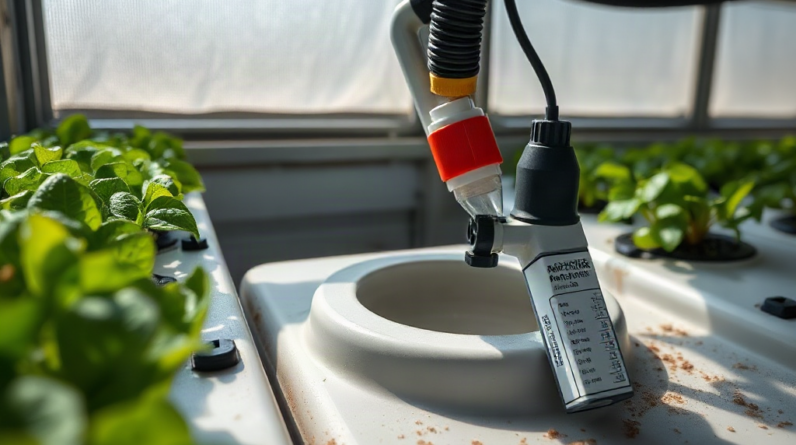
Monitoring and adjusting pH levels regularly is vital for maintaining optimal growth conditions. pH meters and test kits are widely available and should be used to ensure that the nutrient solution remains within the ideal range. When adjusting pH, use appropriate solutions, such as phosphoric acid to lower pH or potassium hydroxide to raise it, and ensure that adjustments are made gradually to avoid shocking the plants.
Frequently Asked Questions
What causes bland flavor in hydroponic vegetables?
Bland flavor can result from nutrient imbalances, insufficient light exposure, and improper pH levels in the growing medium.
How can I improve the flavor of my hydroponic vegetables?
Improving flavor involves ensuring nutrient balance, optimizing light conditions, and maintaining the correct pH levels in the nutrient solution.
Is organic nutrient addition beneficial for flavor?
Yes, organic additives like seaweed extract can enhance flavor by supplying trace minerals and promoting beneficial microbial activity in hydroponic systems.
What pH level is ideal for hydroponic vegetables?
The ideal pH level for most hydroponic vegetables is between 5.5 and 6.5 for optimal nutrient absorption and flavor development.
How does light affect vegetable flavor in hydroponics?
Light intensity and duration influence the production of flavor compounds; insufficient light can lead to underdeveloped flavors.
Further Reading
Authoritative Sources
- USDA National Institute of Food and Agriculture
nifa.usda.govResearch and extension resources related to agriculture, plants, soil, and food systems
- Extension Foundation Gardening Resources
extension.orgUniversity extension education resources for practical gardening and home agriculture topics
- USDA Natural Resources Conservation Service
nrcs.usda.govSoil, water, conservation, and land management resources for practical growing decisions
Conclusion
Enhancing the flavor of hydroponic vegetables requires a multifaceted approach involving careful management of nutrients, light, and pH levels. By understanding the specific needs of the plants and adjusting growing conditions accordingly, growers can significantly improve the taste of their produce. Regular monitoring and adjustments based on plant responses are essential for achieving flavorful results in hydroponic gardening.