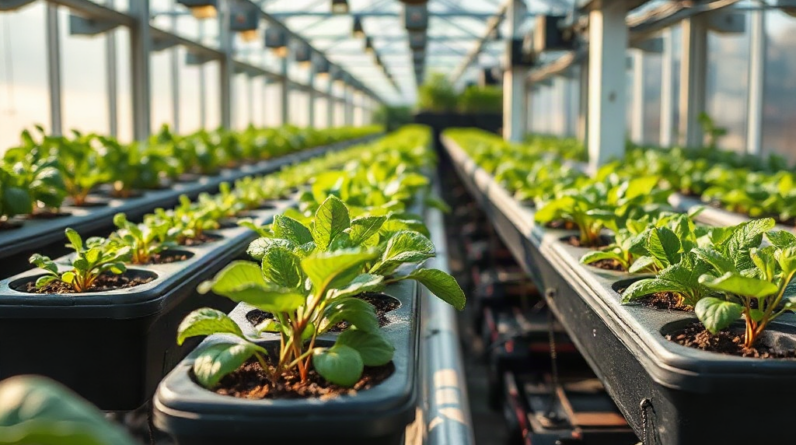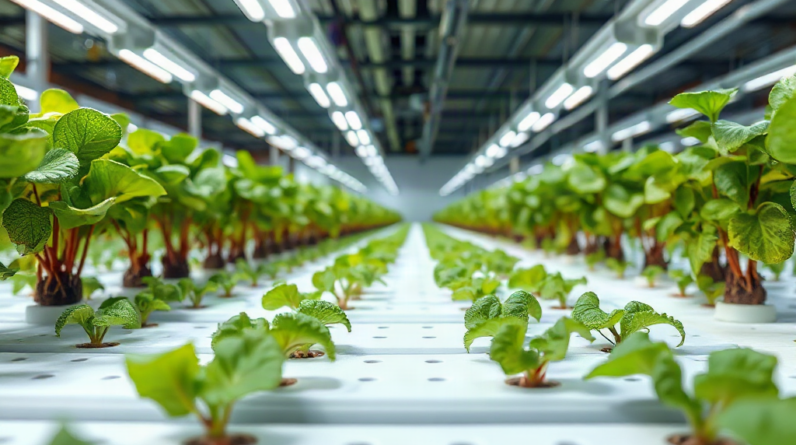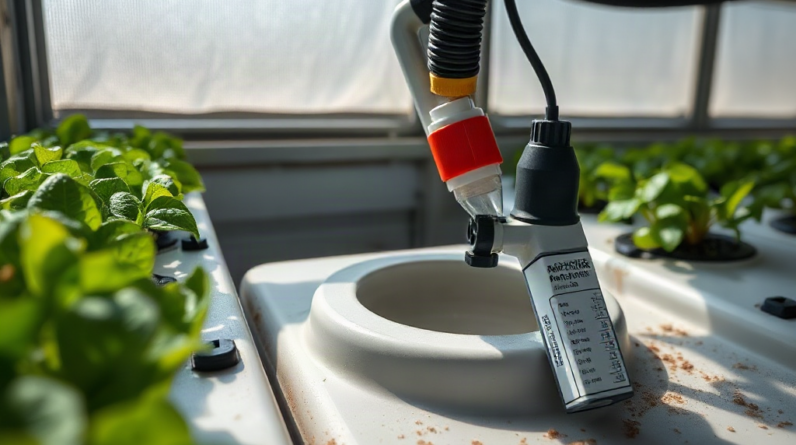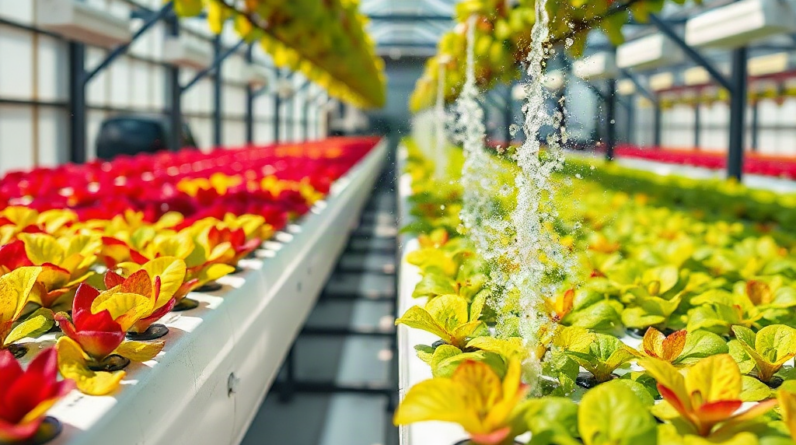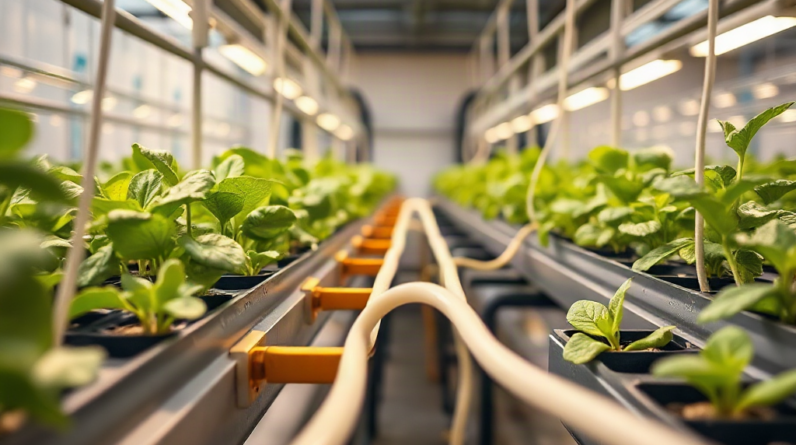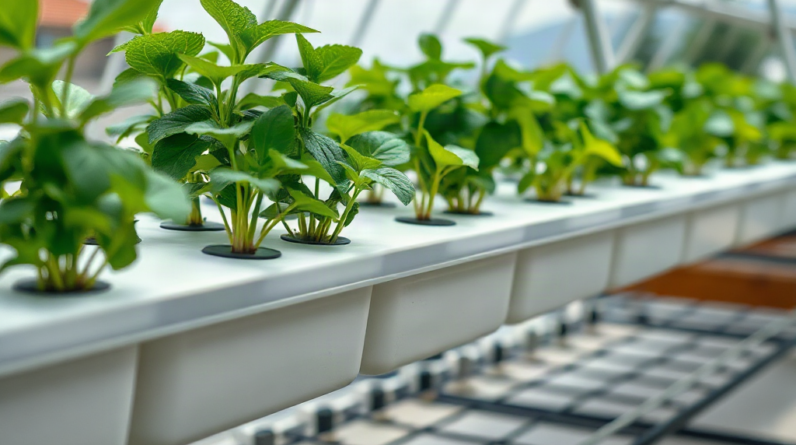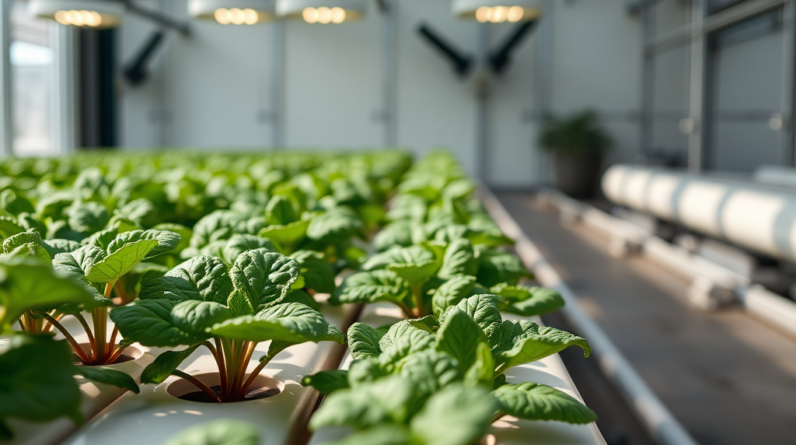
Organic nutrients in hydroponics can lead to several challenges, primarily due to their reliance on microbial activity for nutrient availability. Issues such as nutrient lockout often arise when pH levels are not optimal, preventing plants from absorbing essential elements. Additionally, the inconsistent release of nutrients from organic materials can create fluctuations in nutrient concentrations, resulting in potential deficiencies or over-fertilization. To mitigate these problems, it's essential to regularly monitor pH and nutrient levels, ensuring a balanced microbial ecosystem to support healthy plant growth.
Understanding Organic Nutrients in Hydroponics
Organic nutrients play a pivotal role in hydroponic systems by supplying essential elements that support plant growth. Unlike synthetic fertilizers, organic nutrients are derived from natural sources, which can enhance soil health and promote beneficial microbial activity. However, their use in hydroponics can introduce unique challenges, including variability in nutrient composition and availability.
One of the fundamental aspects of organic nutrients is their dependence on microbial activity for breakdown and uptake. This means that maintaining a healthy microbial population is crucial for ensuring that plants can access the nutrients they need. Improper management of these nutrients can lead to issues like nutrient lockout, where plants fail to absorb the necessary elements due to imbalances in pH or nutrient concentration.
Common Problems Associated with Organic Nutrients
Several issues frequently arise when using organic nutrients in hydroponic systems. One major concern is nutrient lockout, which occurs when the pH level of the nutrient solution is not within the optimal range for nutrient uptake. This can lead to deficiencies in essential elements, stunted growth, and poor plant health.
Another problem is the inconsistent nutrient release from organic materials, which can result in fluctuating nutrient levels in the solution. This inconsistency makes it challenging to maintain stable nutrient concentrations, leading to potential over-fertilization or nutrient deficiencies. Additionally, organic materials can contribute to microbial imbalances, which may promote the growth of harmful pathogens rather than beneficial microbes.
Strategies for Managing Organic Nutrients
To effectively manage organic nutrients in hydroponics, several strategies can be employed. First, regular monitoring of pH and nutrient levels is essential. Keeping the pH within the recommended range of 5.5 to 6.5 ensures optimal nutrient availability. Utilizing pH buffers can help stabilize levels and prevent drastic fluctuations.
Incorporating microbial inoculants into the nutrient solution can also enhance nutrient availability and plant health. These beneficial microbes assist in breaking down organic matter, making nutrients more accessible to plants. Additionally, implementing a well-structured feeding schedule that accounts for the varying release rates of organic nutrients can help mitigate issues related to nutrient inconsistency.
Frequently Asked Questions
What are the main issues with organic nutrients in hydroponics?
The main issues include nutrient lockout, inconsistent nutrient release, and microbial imbalances that can negatively impact plant health.
How can I prevent nutrient lockout in my hydroponic system?
Regularly monitor the pH level of your nutrient solution and make adjustments as needed to maintain it within the optimal range of 5.5 to 6.5.
What role do beneficial microbes play in hydroponics?
Beneficial microbes help break down organic nutrients, enhancing their availability for plant uptake and promoting overall plant health.
Can I use synthetic nutrients with organic nutrients?
While it is possible to combine both types of nutrients, careful management is required to avoid nutrient imbalances and ensure plant health.
How often should I test my nutrient solution?
It is advisable to test your nutrient solution at least once a week to monitor pH and nutrient levels, making adjustments as necessary based on plant growth.
Further Reading
Authoritative Sources
- USDA National Institute of Food and Agriculture
nifa.usda.govResearch and extension resources related to agriculture, plants, soil, and food systems
- Extension Foundation Gardening Resources
extension.orgUniversity extension education resources for practical gardening and home agriculture topics
- USDA Natural Resources Conservation Service
nrcs.usda.govSoil, water, conservation, and land management resources for practical growing decisions
Conclusion
Addressing the issues with organic nutrients in hydroponics requires a proactive approach that includes regular monitoring, understanding nutrient dynamics, and implementing effective management strategies. By maintaining optimal pH levels and ensuring a balanced microbial ecosystem, you can improve plant health and maximize yields. Stay informed about the specific needs of your plants and adjust your feeding practices accordingly to achieve the best results in your hydroponic system.