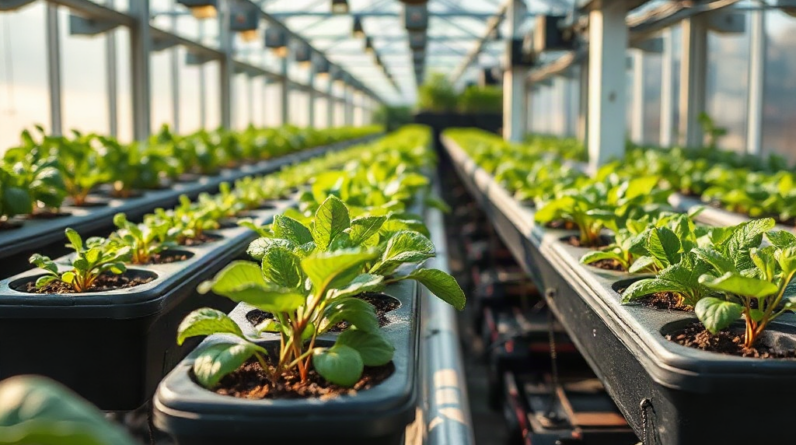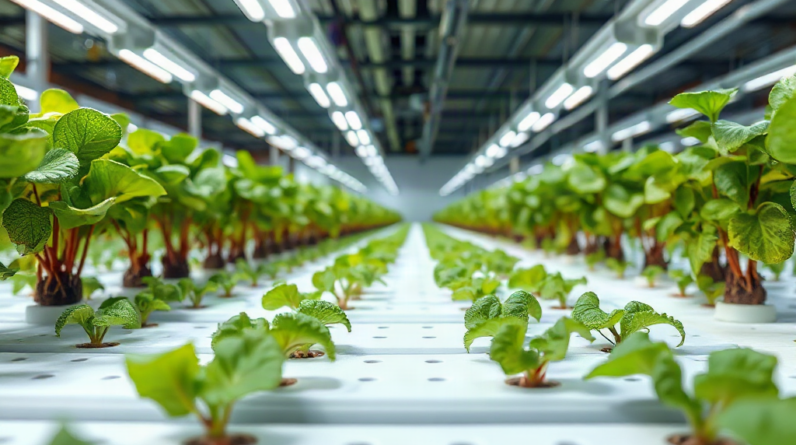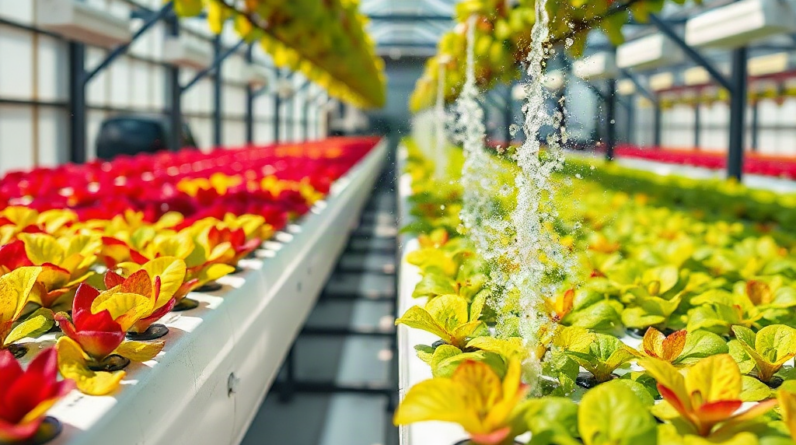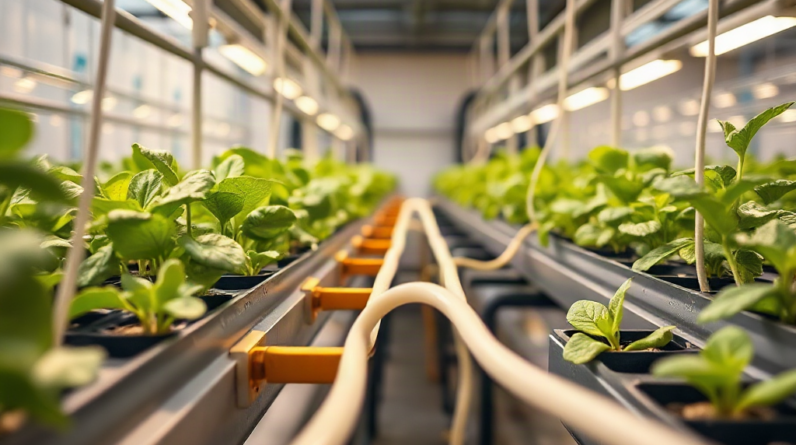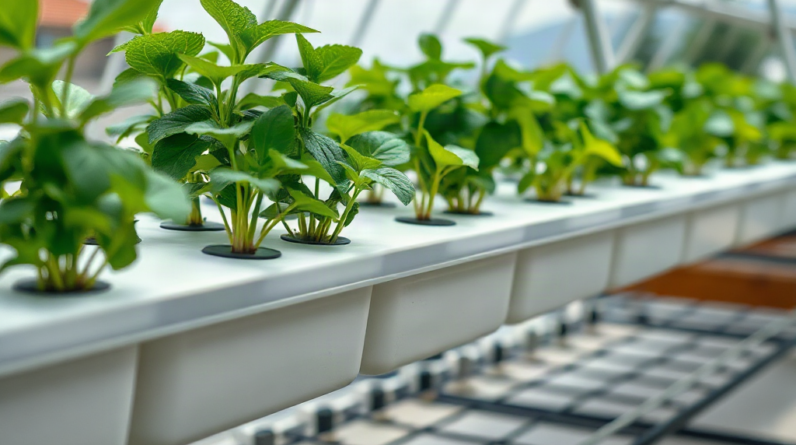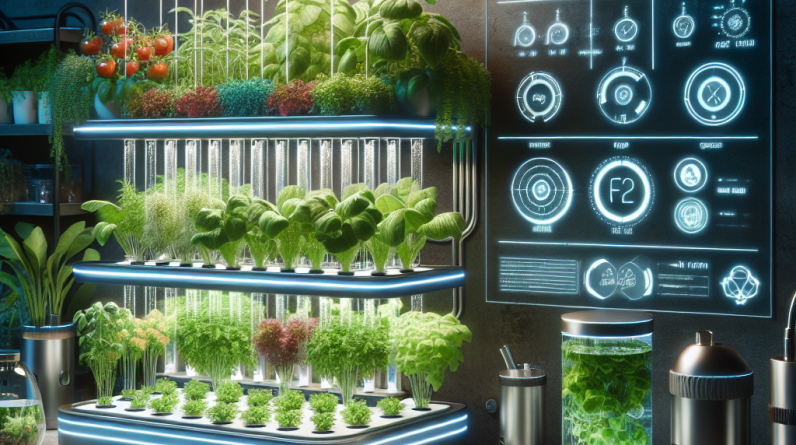
Issues with plant spacing in hydroponic systems can lead to overcrowding or inefficient use of space, negatively impacting growth and yield. It's essential to consider the mature size of each plant species when determining spacing; for example, leafy greens can be planted closer together than larger fruiting plants. A common mistake is failing to adjust spacing as plants grow, which can result in competition for light and nutrients. To avoid these problems, gardeners should plan their layouts based on both the initial growth stage and the expected mature size, ensuring adequate room for each plant to thrive. Proper spacing not only enhances growth rates but also minimizes disease risks associated with high humidity and poor air circulation.
Understanding Plant Spacing Requirements
Plant spacing in hydroponic systems is crucial for ensuring that each plant receives adequate resources for growth. Proper spacing allows for optimal light penetration, air circulation, and nutrient uptake. Each plant species has unique spacing needs based on its growth habits and size. For instance, leafy greens require closer spacing compared to larger fruiting plants like tomatoes. Understanding these requirements helps prevent overcrowding, which can lead to competition for light and nutrients.
In hydroponics, spacing often depends on the growth stage of the plants. Seedlings may be planted closer together, but as they mature, they require more space to develop properly. This dynamic needs to be factored into the initial planting layout. A common misconception is that more plants equate to higher yields; however, overcrowding can actually decrease overall production due to reduced light and increased humidity, which can foster disease.
Common Mistakes in Plant Spacing
Many hydroponic gardeners encounter issues due to poor plant spacing. One of the most frequent mistakes is not accounting for the mature size of plants when determining spacing. For example, planting basil too close together may seem efficient initially, but as the plants grow, they can overshadow one another, leading to stunted growth and increased susceptibility to pests.
Another mistake is failing to adjust spacing as plants grow. Many growers set their initial spacing based on seed packets or general guidelines but neglect to consider how plants will expand. This oversight can result in a cramped environment, limiting airflow and promoting diseases like powdery mildew. Additionally, some growers may not consider the type of hydroponic system used; for instance, vertical systems may require different spacing strategies compared to deep water culture setups.
Best Practices for Optimal Spacing
To optimize plant spacing in hydroponic systems, begin by researching the specific requirements of the plants you intend to grow. Utilize spacing charts that provide recommended distances based on plant type and growth stage. As plants mature, regularly assess their growth and be prepared to thin them out if overcrowding occurs.
Implementing a staggered planting approach can also enhance space utilization. By staggering planting times or arranging plants in a way that allows for maximum light exposure and airflow, you can significantly improve growth rates. Regularly monitoring plant health and adjusting spacing accordingly is key to maintaining a thriving hydroponic garden.
Frequently Asked Questions
What are the consequences of overcrowding in hydroponic systems?
Overcrowding can lead to reduced light availability, increased humidity, and higher disease risk, ultimately decreasing plant yield.
How can I determine the best spacing for my plants?
Research the specific requirements of each plant species and consult spacing charts that suggest distances based on their mature size.
What should I do if my plants are growing too close together?
If plants are too close, consider thinning them out to provide adequate space for growth, improving air circulation and light exposure.
Can I use the same spacing for all types of plants?
No, different plants have varying growth habits and requirements; it’s essential to tailor spacing based on each species.
How often should I reassess plant spacing?
Regularly assess plant spacing, especially as they approach maturity, to ensure they have adequate room to grow optimally.
Further Reading
Authoritative Sources
- Hydroponics: The Ultimate Guide
hydroponics.comThis resource provides comprehensive insights into hydroponic gardening, including spacing strategies for various plants
- Gardener's Supply Company
gardeners.comOffers practical advice on plant spacing for optimal growth in hydroponic systems
- National Extension Association of Family and Consumer Sciences
extension.orgFeatures research-based guidance on hydroponic systems and plant care, focusing on spacing and management
Conclusion
Addressing issues with plant spacing in hydroponic systems is essential for maximizing growth and yield. By understanding the specific requirements of your plants, avoiding common spacing mistakes, and implementing best practices, you can create an optimal environment for your hydroponic garden. Regular monitoring and adjustments based on plant growth will ensure your hydroponic system thrives, leading to a successful and productive gardening experience.