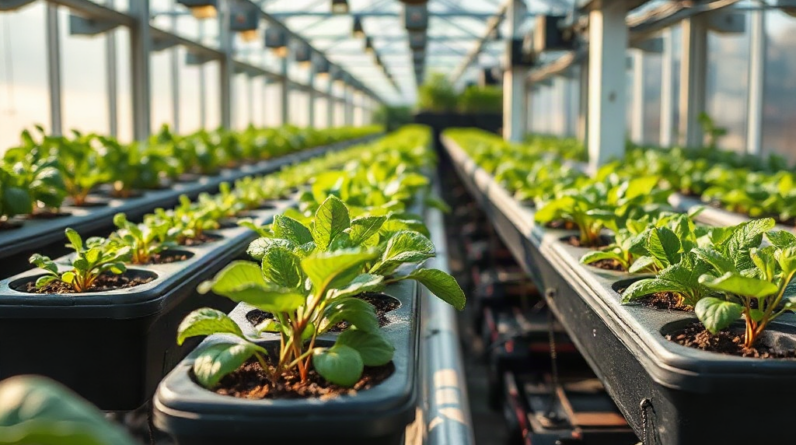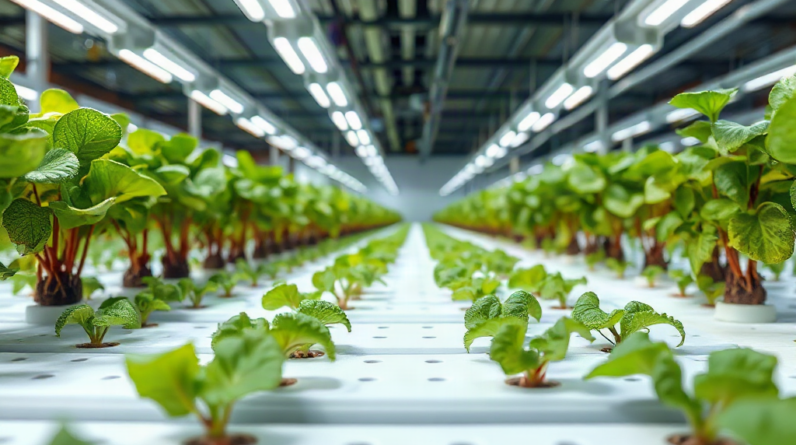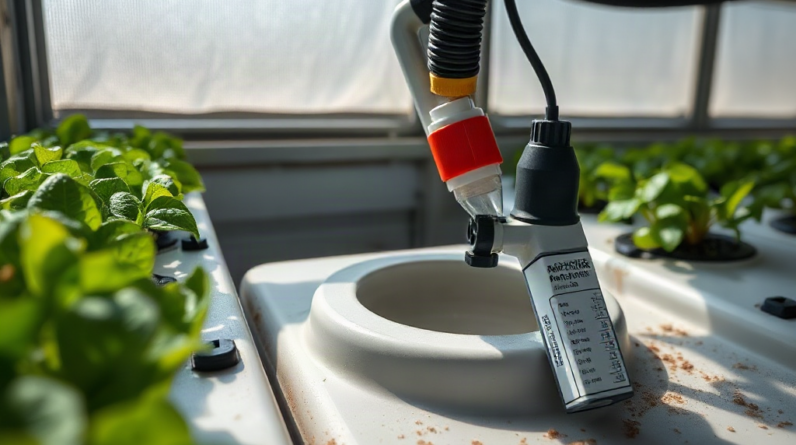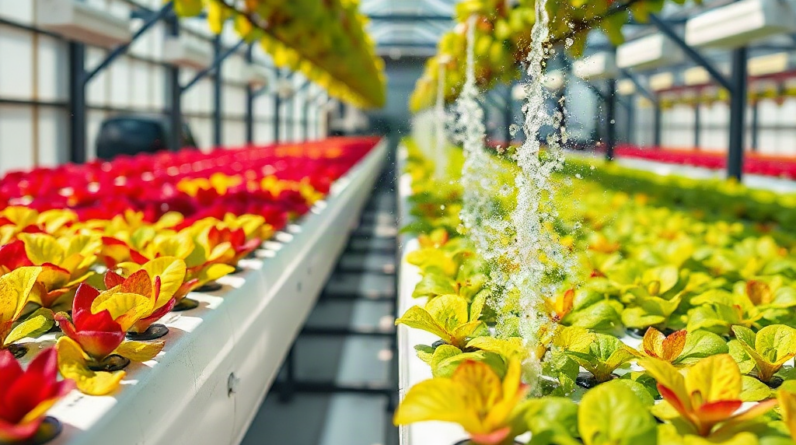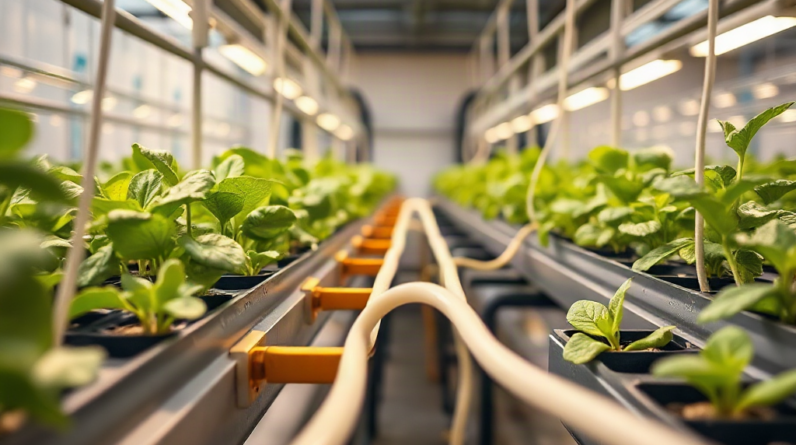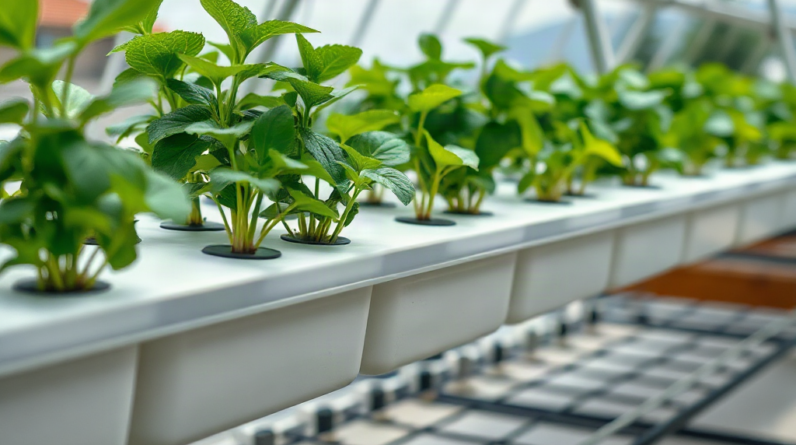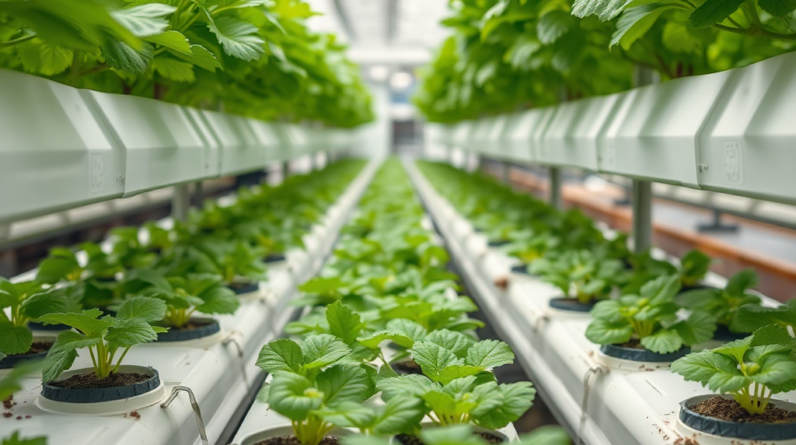
To prevent mold growth in hydroponic systems, it is essential to control humidity levels, enhance air circulation, and maintain cleanliness. Keeping humidity between 40% and 60% is crucial, as excessive moisture creates an ideal environment for mold. Utilizing dehumidifiers and hygrometers can help monitor and adjust humidity effectively. Additionally, ensuring proper ventilation and using fans can improve air circulation, reducing stagnant conditions that promote mold. Regularly cleaning equipment and surfaces will eliminate mold spores, fostering a healthier environment for your plants.
Understanding Mold in Hydroponics
Mold is a common issue in hydroponic systems due to the high moisture levels that are often present. It can negatively impact plant health by causing diseases and reducing yields. Understanding the factors that contribute to mold growth is crucial for prevention. Mold spores thrive in environments with stagnant air, high humidity, and organic material. Regular monitoring of these elements is essential for maintaining a healthy hydroponic system.
One common misconception is that mold only appears when there is visible water pooling. However, mold can grow in moist soil or on plant leaves without excess water. Thus, it’s vital to keep a close eye on humidity levels, especially in enclosed systems where air circulation may be limited. Recognizing the early signs of mold, such as discoloration or fuzzy growth on surfaces, allows for timely intervention.
Humidity Control Techniques
Controlling humidity is a primary defense against mold in hydroponic systems. Ideal humidity levels range between 40% and 60%. Utilizing dehumidifiers can help maintain these levels, especially in indoor setups where moisture can accumulate quickly. Monitoring humidity with hygrometers ensures that you stay within the optimal range, preventing excess moisture that promotes mold growth.
Another effective technique is to limit watering frequency and volume. Overwatering not only saturates the growing medium but also increases humidity levels. Implementing a drip irrigation system can provide precise amounts of water directly to the plant roots, minimizing surface moisture. Additionally, using substrates that promote drainage can further reduce humidity levels around the plants.
Air Circulation Strategies
Proper air circulation is critical to preventing mold growth in hydroponic systems. Stagnant air creates the perfect breeding ground for mold spores. Incorporating fans into your setup can enhance airflow, helping to distribute humidity evenly and reduce pockets of moist air. Oscillating fans are particularly effective, as they prevent air from becoming too still.
Another strategy is to space plants adequately to ensure that air can flow freely between them. Crowded plants not only compete for resources but also trap moisture around their leaves. Regular pruning can help maintain good airflow and reduce humidity levels, further decreasing the likelihood of mold development.
Cleaning and Maintenance Practices
Regular cleaning and maintenance are essential components of preventing mold growth in hydroponic systems. Equipment, such as reservoirs, tubes, and grow trays, should be cleaned frequently to eliminate any mold spores that may be present. Using a diluted bleach solution can effectively sanitize surfaces, but it’s crucial to rinse thoroughly afterward to avoid chemical residues that may harm plants.
Additionally, inspecting plants routinely for signs of mold or mildew allows for early detection and intervention. Removing affected leaves and ensuring that your plants are healthy can prevent the spread of mold throughout your system. Keeping your growing area organized and free of debris also minimizes potential mold habitats.
Frequently Asked Questions
What causes mold to grow in hydroponic systems?
Mold thrives in high humidity and stagnant air, making hydroponic systems susceptible if not properly managed.
How can I tell if my hydroponic system has mold?
Look for fuzzy growths or discoloration on plants and surfaces, as well as a musty odor in the growing area.
What humidity level is best for hydroponic systems?
The ideal humidity level for hydroponic systems is between 40% and 60% to prevent mold growth.
How often should I clean my hydroponic system?
Clean your hydroponic system at least once a week to prevent mold and maintain optimal conditions.
Can mold affect the health of my plants?
Yes, mold can lead to diseases in plants, reducing their growth and overall yield.
Further Reading
Authoritative Sources
- USDA Agricultural Research Service
usda.govThis source provides insights into best practices for preventing mold and maintaining plant health in agricultural systems
- National Institute of Food and Agriculture
extension.orgNifa.usda.govOffers research-backed guidelines on managing humidity and air quality in hydroponic environments
Conclusion
Preventing mold growth in hydroponic systems is essential for ensuring healthy plants and maximizing yields. Focus on maintaining optimal humidity levels, enhancing air circulation, and adhering to a rigorous cleaning schedule. By proactively managing these factors, you can create a thriving hydroponic environment that minimizes the risk of mold and promotes plant health. Regular monitoring and adjustments will help you stay ahead of potential mold issues, ensuring a successful hydroponic gardening experience.