Rental Constraints That Should Shape the Choice
A rental-friendly growing system is defined less by its advertised plant capacity than by how safely it fits the property. Before comparing nutrient methods, inspect the available floor area, nearby outlets, natural light, ventilation, and the route used to carry water. A sunny kitchen counter may suit basil and lettuce, while a dim studio corner may require a light fixture and a stable shelving unit. The best location is one where routine checks are easy and a small leak will not reach flooring, electronics, or a neighboring apartment.
Read the lease for language about alterations, water use, balcony loading, electrical equipment, and damage to walls or floors. A removable unit normally avoids the issues created by drilled supports or permanent plumbing, but it still should not sit where condensation can stain paint or where spilled nutrient solution can damage wood. A shallow waterproof tray beneath the reservoir is a modest safeguard; it does not compensate for a cracked container or an unattended overflow.
Weight deserves a more careful look than many renters expect. Water weighs roughly one kilogram per liter, before adding the reservoir, growing media, plants, and light. A 20-liter container therefore creates a substantially heavier load than a small countertop vessel. Avoid placing large reservoirs on narrow shelves or elevated furniture unless the furniture is designed for that load and cannot wobble. Floor-level placement is usually easier to inspect and less hazardous than a tall, top-heavy arrangement.
Noise and appearance also affect whether a system remains practical. A pump that is tolerable in a garage may be distracting beside a bed or desk, especially when vibration transfers into a cabinet. Likewise, exposed tubing may invite accidental disconnection. A useful way to refine the search is to rank constraints in this order: permission and safety, available light, leak containment, noise, maintenance access, then plant capacity. Choosing Choosing a hydroponic system for rental housing as a planning process rather than a product hunt prevents an attractive but unsuitable unit from dictating the room.
Comparing Systems by Noise, Water, and Footprint
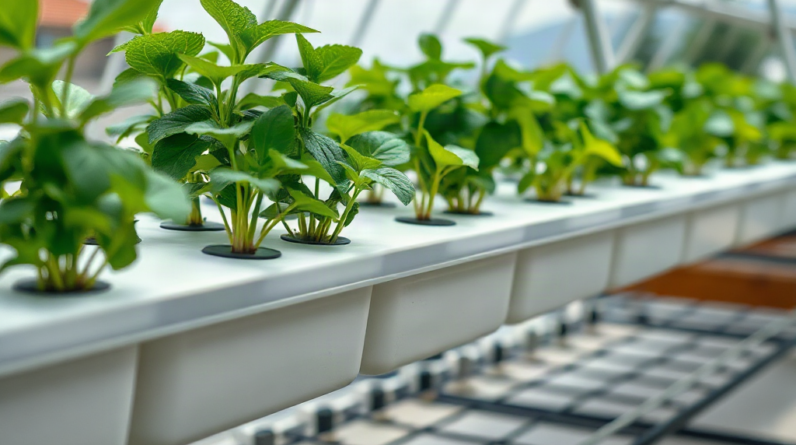
Small deep-water culture systems are often the simplest entry point for renters. Plants sit in a lid while their roots reach an aerated nutrient reservoir. The design has few moving parts, is easy to disassemble, and can fit on a protected counter or low stand. Its limitations are equally clear: the reservoir must be lifted or emptied for cleaning, water temperature can change with room conditions, and an air pump may produce a constant hum.
A passive wick system removes pump noise and can be appealing in a bedroom or office. Nutrient solution moves through a wick into the growing medium, so the arrangement is mechanically simple and usually inexpensive. It is better suited to small herbs and modest water demand than to vigorous plants. If the wick cannot deliver moisture as quickly as the foliage uses it, plants wilt even though the reservoir still contains solution. That failure can be mistaken for a nutrient problem when the actual issue is limited water movement.
Drip and ebb-and-flow systems can support more plants in a compact vertical or shelf-based arrangement, but they introduce extra failure points. A clogged emitter, kinked line, failed timer, or misaligned drain can turn routine irrigation into a floor spill. Ebb-and-flow designs return water to a reservoir and may distribute moisture evenly, yet their flood height and drainage path must be tested before plants are added. Drip systems offer flexible placement but require careful adjustment so one container does not receive most of the flow.
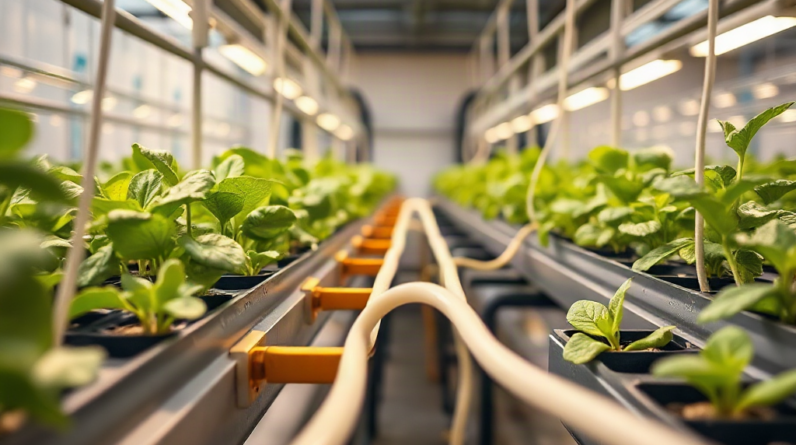
Nutrient film technique is less attractive for many first-time renters because a channel depends on continuous, even flow and a dependable return path. A brief pump interruption can expose roots, while a partially blocked channel can leave one section wet and another dry. A small unit can work when the grower is willing to monitor it, but its higher sensitivity is rarely justified for a few salad greens.
Match the system to the household rather than choosing the largest unit that fits. A renter growing mint, parsley, and several lettuce plants may gain more from a quiet, accessible reservoir than from a tower with dozens of planting sites. Anyone considering a more complex arrangement should run it with plain water for a day, listen during quiet hours, and inspect every connection before adding nutrients.
Setting Up Without Damage or Spill Risk
Water management should be designed before the first seed is planted. Place the reservoir on a level, load-bearing surface and keep electrical plugs, power strips, and light drivers higher than the highest possible water line. A drip loop in each power cord helps prevent water running along the cord toward an outlet, although it is not a substitute for sound electrical practice. Keep the pump, tubing, and reservoir reachable without moving the entire garden.
Use a tray that extends beyond the unit on every side, and check whether the tray itself can hold a realistic spill. A thin decorative saucer may catch a few drops but fail during a tipped net cup or loose fitting. For a shelf garden, a rigid tray with a raised edge is more useful than absorbent towels, which hide moisture and can remain damp against flooring. Check underneath the tray after the first several irrigation cycles; a dry top surface does not prove that a fitting is secure.
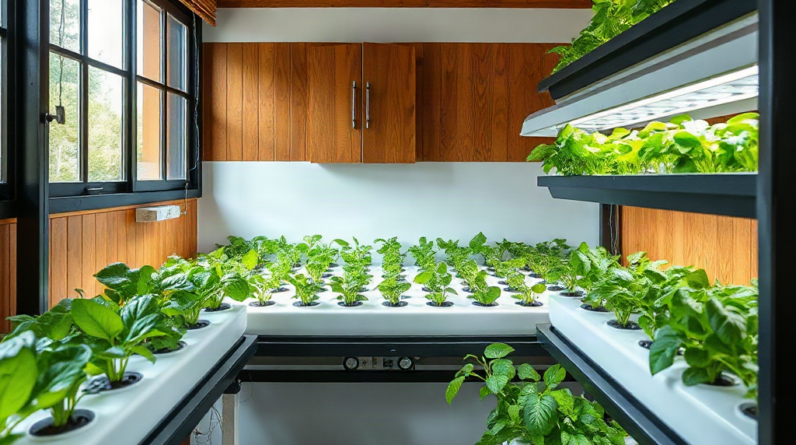
Lighting creates a separate rental constraint. A window may provide pleasant brightness without supplying enough usable light for compact leafy growth, particularly when the sun angle changes or buildings shade the glass. An indoor grow light can make placement more flexible, but it adds heat, glare, cords, and a mounting question. Select a fixture that can stand independently or attach to a removable shelf rather than drilling into the wall. Keep clearance around the light according to its manufacturer’s instructions and avoid enclosing warm equipment in a cramped cabinet.
Air movement helps leaves dry after irrigation and reduces the stagnant conditions that encourage some plant problems, but a fan should not blow so strongly that it splashes the reservoir or dries wick-fed plants. Ventilation matters even more in a small room where humidity accumulates near a window or cold exterior wall. If moisture repeatedly appears on the wall, glass, or shelf, move the system or reduce the source rather than treating condensation as harmless.
A common mistake is to test only the growing performance and ignore the apartment itself. Run the complete setup with plain water, observe it during a full pump cycle, and deliberately inspect joints after several hours. Mark the normal water level and route tubing so a future cleaning cannot pull a connector loose. These checks cost little and expose problems before nutrient solution reaches a floor or cabinet.
Operating the Garden During Leases and Moves
Routine maintenance determines whether a rental garden remains convenient. Every system needs water-level checks, nutrient monitoring according to the product label, plant pruning, and periodic cleaning. A simple reservoir makes these tasks visible; an enclosed tower can conceal algae, sediment, or a slow leak. Choose access over appearance when the unit will be inspected several times each week.
Travel exposes the difference between a forgiving system and a fragile one. Passive wick arrangements have no pump to fail, but they may not deliver enough water to mature plants. Pump-driven systems can maintain circulation on a timer, yet a power interruption or blocked line can stop delivery. Before leaving, inspect the water level, verify the timer, and test the system after any change in tubing or plant position. Do not assume that a larger reservoir solves every absence problem; stagnant solution, excessive humidity, and unchecked leaks can create different risks.
Plant selection should reflect the available attention. Lettuce, arugula, basil, and other compact herbs generally fit small indoor arrangements better than sprawling tomatoes, cucumbers, or large peppers. Fruiting plants require stronger support, more light, larger root volume, and longer maintenance commitments. A system that appears efficient when empty may become unstable when a mature plant leans into a walkway or needs a trellis anchored to a wall.
Moving day is easiest when the system can be drained, wiped, and boxed without tools that alter the property. Keep the original manuals, spare seals, and a simple inventory of parts. Drain nutrient solution responsibly according to local guidance rather than pouring concentrated solution into places where it could damage finishes or reach storm drains. Clean and dry the reservoir before storage; residual moisture in dark tubing can produce odors and biological buildup.
Another weak assumption is that renters should avoid all powered systems. The more useful distinction is between controlled complexity and unmanaged complexity. A small air pump with accessible tubing may be reasonable when the outlet is safe and the sound level acceptable. A multi-pump tower that requires a permanent brace, frequent adjustments, and awkward disassembly may be a poor rental choice even if it grows more plants. Choosing a hydroponic system for rental housing means judging the full lease period, not only the first harvest.
A Practical Selection Checklist
Make the final decision by scoring actual use conditions instead of relying on system labels such as “compact” or “beginner.” Measure the proposed footprint with the reservoir filled, not just the empty frame. Confirm that the unit can be lifted or drained safely, that every fitting is visible, and that a person can reach the back without leaning over plants or electrical equipment.
The following short checklist separates a suitable rental setup from one that merely fits on paper:
- Permission: The arrangement does not require drilling, permanent plumbing, or an unapproved balcony installation.
- Containment: A rigid waterproof tray and stable surface can manage ordinary drips and make leaks easy to notice.
- Access: The reservoir, pump, drain, and plant sites can be inspected and cleaned without dismantling furniture.
- Sound: The pump and fan are acceptable during sleeping, working, or shared-room hours.
- Capacity: Water volume and planting space match the crops rather than encouraging oversized plants.
- Removal: The garden can be drained, dried, and carried out through the doorway without property modifications.
Give extra weight to the failure scenario. Ask what happens if the pump stops overnight, a fitting loosens, or the grower misses two checks. Passive systems may fail through drought, while recirculating systems may fail through flooding or uneven delivery. The safer option is not automatically the one with no pump; it is the one whose likely failure is visible, limited, and easy to correct.
Start with a small crop load and expand only after the location, light schedule, and cleaning routine prove manageable. Signs of a workable setup include steady water levels between scheduled checks, dry surrounding surfaces, quiet operation, and plants that fit their space without repeated emergency adjustments. Persistent noise, unexplained water loss, algae in shaded lines, or difficulty reaching the reservoir are reasons to simplify rather than add equipment. For a broader planning reference, see Choosing a hydroponic system for rental housing alongside the manufacturer’s assembly and electrical instructions.
Frequently Asked Questions
What is the easiest hydroponic system for a renter?
A small deep-water culture or passive wick unit is usually easiest because it has few components and can be removed without plumbing changes. Choose based on acceptable pump noise, lifting weight, and crop size.
Can a hydroponic garden damage a rental apartment?
It can if a reservoir tips, tubing disconnects, condensation persists, or water reaches flooring and electrical equipment. Use a stable surface, an appropriately sized waterproof tray, visible connections, and regular leak checks.
Do renters need permission to grow plants indoors?
Ordinary indoor plant growing may not require approval, but leases can address alterations, electrical installations, water damage, balconies, or unusual loads. Review the lease and ask the property manager before drilling, mounting, or placing a heavy system.
Are hydroponic pumps too noisy for an apartment?
Noise varies by pump, vibration, water level, and surface. Place the pump on a vibration-damping pad, keep tubing from touching walls, and run the system in the intended room before committing to a larger setup.
Which crops suit a small rental-housing system?
Leafy greens and compact herbs such as lettuce, arugula, basil, and parsley generally suit small units. Fruiting crops often need more light, root volume, support, and pruning than a renter’s space can comfortably provide.
Further Reading
Authoritative Sources
- Academy of Nutrition and Dietetics
eatright.orgProfessional nutrition guidance, healthy eating resources, and practical dietitian-reviewed advice.
- U.S. Department of Agriculture
usda.govOfficial food, nutrition, agriculture, and consumer guidance from the USDA.
- NIH Office of Dietary Supplements
ods.od.nih.govResearch-based fact sheets on nutrients, supplements, dietary intake, and safety considerations.
- International Society of Sports Nutrition
sportsnutritionsociety.orgEvidence-informed sports nutrition resources and position stands for active people and athletes.
Conclusion
A rental-friendly hydroponic system should be judged as household equipment, not merely as a plant container. Permission, leak containment, electrical safety, noise, weight, lighting, maintenance access, and easy removal deserve priority over maximum planting capacity. For many renters, a small countertop or floor-level unit with simple circulation is more practical than a tall, densely planted design with multiple pumps and hidden connections. Test the complete arrangement with plain water, monitor it through ordinary daily routines, and choose crops that match the light and available space. If the garden is difficult to inspect, noisy at night, or dependent on permanent fixtures, simplify it before expanding. A manageable system is more likely to remain safe, productive, and move-ready throughout the lease.