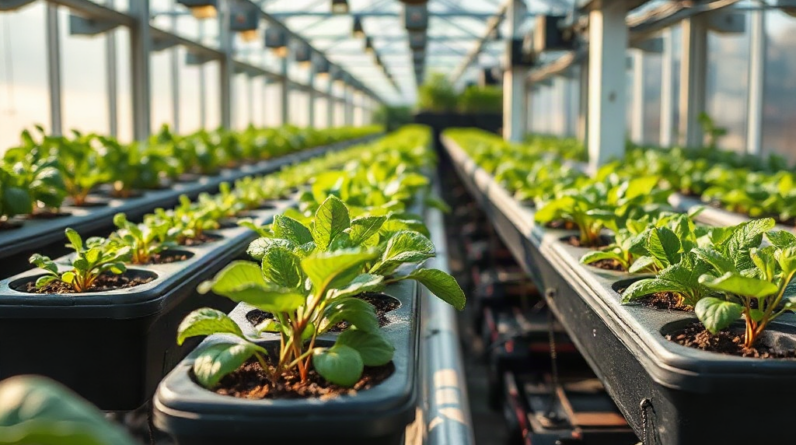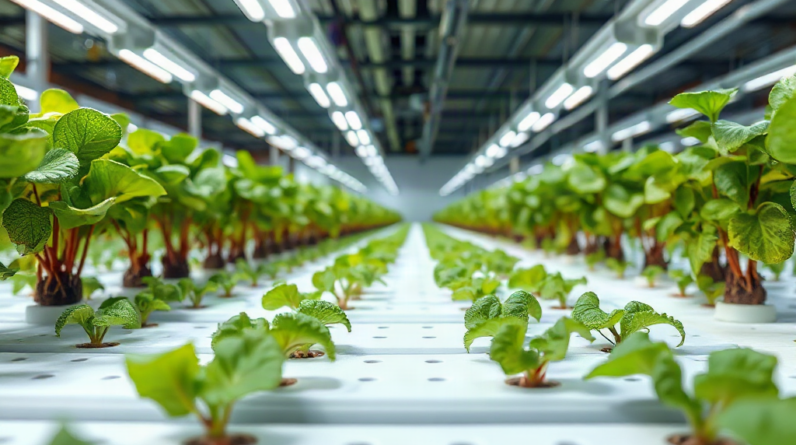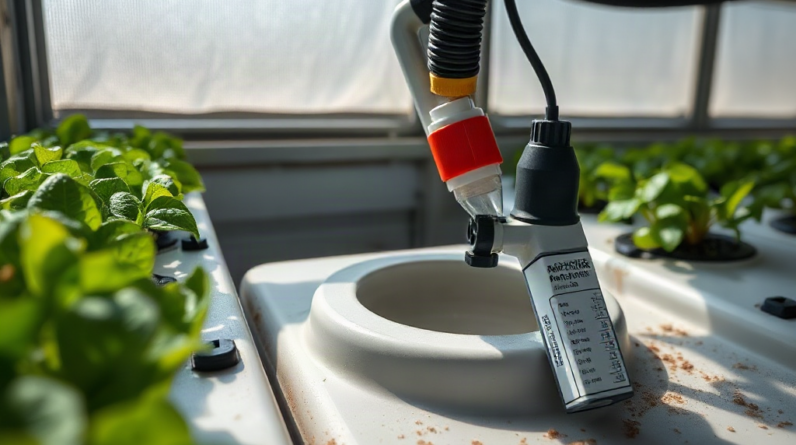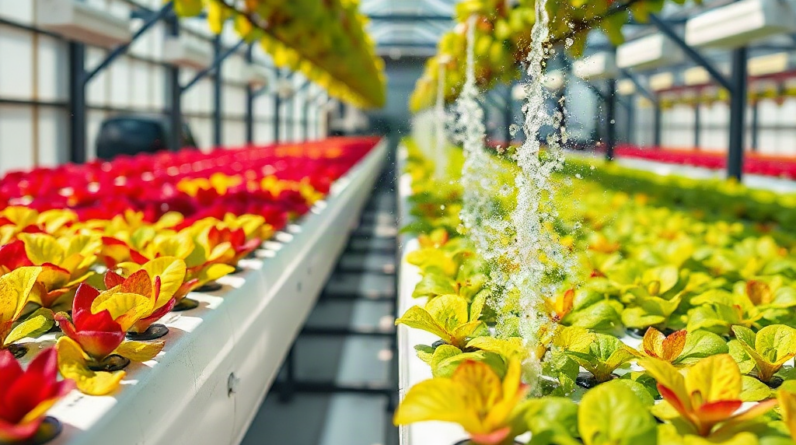
Signs of nutrient deficiency in hydroponic plants include yellowing leaves, stunted growth, and browning leaf edges. Yellowing, or chlorosis, often indicates a nitrogen deficiency, while stunted growth may suggest a lack of phosphorus or potassium. To address these issues, regularly test your nutrient solution and adjust it accordingly to ensure a balanced supply of essential elements. Additionally, watch for leaf drop, which can signal inadequate calcium or magnesium levels. By promptly identifying and correcting these deficiencies, you can promote healthier plant growth and improve overall crop yield.
Common Signs of Nutrient Deficiency
Nutrient deficiency in hydroponic plants can manifest in various ways, primarily through visual symptoms. Yellowing leaves, known as chlorosis, often indicate a lack of nitrogen, while stunted growth may suggest deficiencies in essential elements like phosphorus or potassium. Browning leaf edges can signal a potassium deficiency or an excess of salts in the nutrient solution, leading to nutrient lockout. Recognizing these signs early can prevent long-term damage and ensure a healthy crop.
Another common symptom is leaf drop, which can occur due to inadequate calcium or magnesium levels. Additionally, plants may exhibit slow growth or fail to flower if nutrient levels are not balanced. Maintaining a close watch on your plants and understanding these symptoms can help you react promptly to deficiencies.
Understanding Nutrient Requirements
Hydroponic plants require a balanced nutrient solution that includes macronutrients like nitrogen (N), phosphorus (P), and potassium (K), as well as micronutrients such as iron, manganese, and zinc. Each nutrient plays a unique role in plant health; for example, nitrogen is crucial for leaf development, while potassium aids in water regulation and flowering.
It’s essential to understand that different plants have varying nutrient needs based on their growth stage and environmental conditions. For instance, leafy greens like lettuce require higher nitrogen levels during their growth phase, while fruiting plants may need more potassium as they mature. Regular testing of your hydroponic solution can help you tailor nutrient delivery to meet these specific needs.
Diagnosing Specific Nutrient Deficiencies
Diagnosing nutrient deficiencies involves observing plant symptoms and correlating them with known nutrient roles. For instance, yellowing of older leaves often indicates a nitrogen deficiency, while yellowing of new leaves can signify a lack of iron. On the other hand, purple discoloration in leaves may point to phosphorus deficiency, particularly in younger plants.
To accurately diagnose these issues, consider conducting a tissue analysis of your plants, which can provide detailed information on nutrient levels. This analysis can pinpoint specific deficiencies and help adjust your hydroponic nutrient solution accordingly. Additionally, being aware of environmental factors such as pH levels and water quality can also impact nutrient availability and plant health.
Preventive Measures for Healthy Plants
Preventing nutrient deficiencies in hydroponic systems is crucial for sustaining plant health and maximizing yield. Regular monitoring and adjustments of your nutrient solution based on plant needs are vital. Employing a nutrient solution that is well-balanced in both macro and micronutrients can mitigate the risks of deficiencies.
Implementing a routine maintenance schedule for your hydroponic system, including cleaning reservoirs and checking pH levels, is equally important. Consider using nutrient solutions designed for specific plant types and growth stages to provide the most effective support. Additionally, incorporating beneficial microorganisms can enhance nutrient uptake and improve overall plant vitality.
Frequently Asked Questions
What are the most common nutrient deficiencies in hydroponic plants?
The most common nutrient deficiencies include nitrogen, potassium, and magnesium, often presenting as yellowing leaves, stunted growth, and browning edges.
How can I prevent nutrient deficiencies in my hydroponic system?
Regularly monitor nutrient levels, adjust the hydroponic solution based on plant needs, and maintain optimal pH levels to prevent deficiencies.
What are the signs of a potassium deficiency?
Signs include browning leaf edges, yellowing of older leaves, and weak stems, indicating the need for potassium supplementation.
How often should I test my nutrient solution?
Testing your nutrient solution weekly is recommended to ensure proper nutrient balance and prevent deficiencies.
Can I use organic fertilizers in hydroponics?
While some organic fertilizers can be used, they may not dissolve as readily as synthetic options, potentially affecting nutrient availability.
Further Reading
Authoritative Sources
- Hydroponics Nutrient Guide
hydroponics.comA comprehensive guide detailing essential nutrients for hydroponic plants
- Nutrient Management in Hydroponics
agriculture.gov.auOfficial resources on nutrient management strategies for hydroponic systems
- Plant Nutrient Deficiencies
ncbi.nlm.nih.govResearch articles on the effects of nutrient deficiencies in plants
Conclusion
Understanding the signs of nutrient deficiency in hydroponic plants is vital for maintaining healthy growth and maximizing yield. Regular monitoring, timely adjustments to nutrient solutions, and awareness of specific plant needs can help prevent deficiencies. By addressing symptoms promptly and ensuring a balanced nutrient intake, growers can foster robust plant health and achieve successful hydroponic gardening.