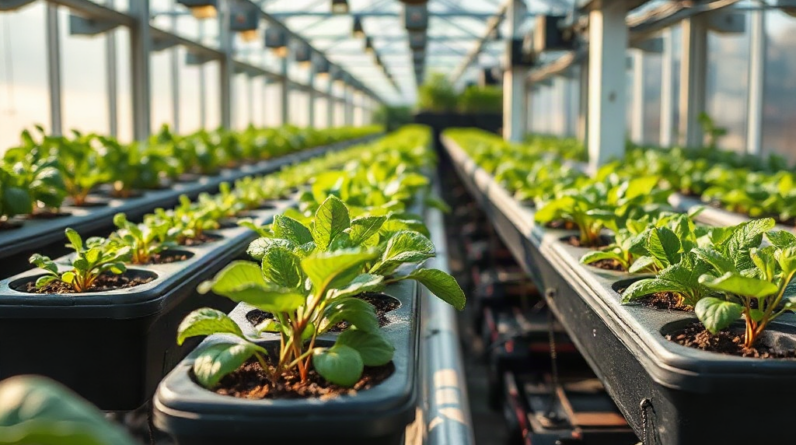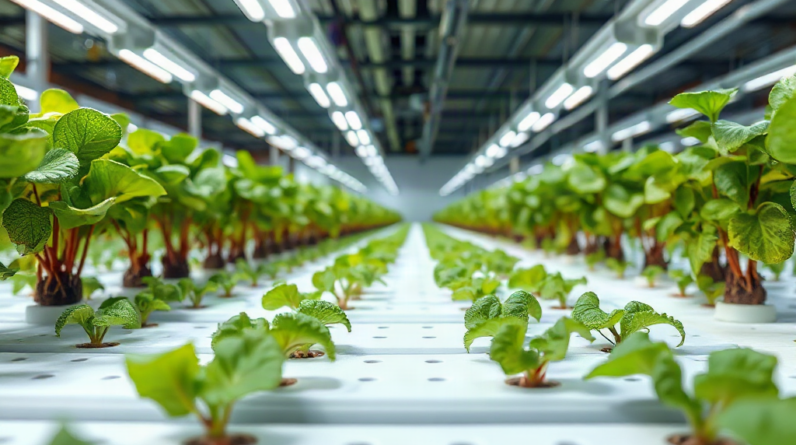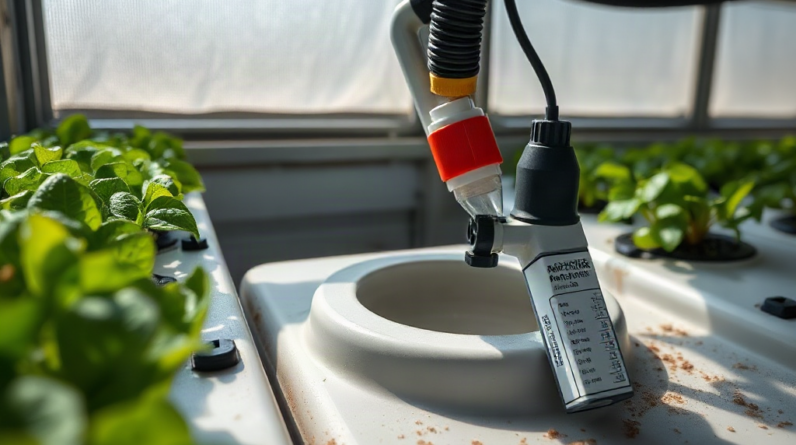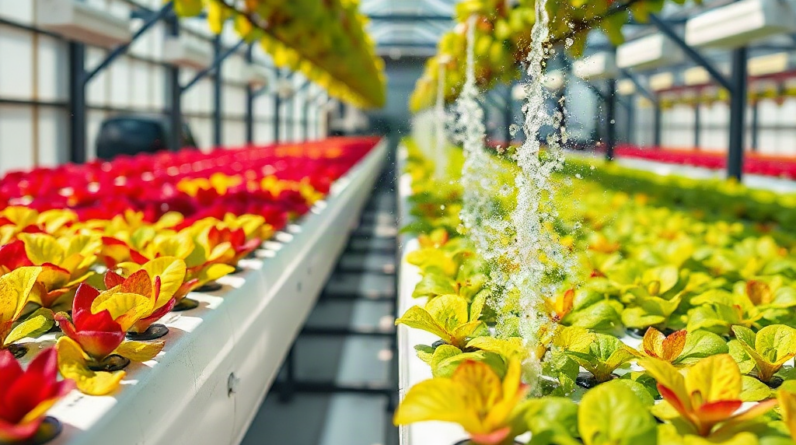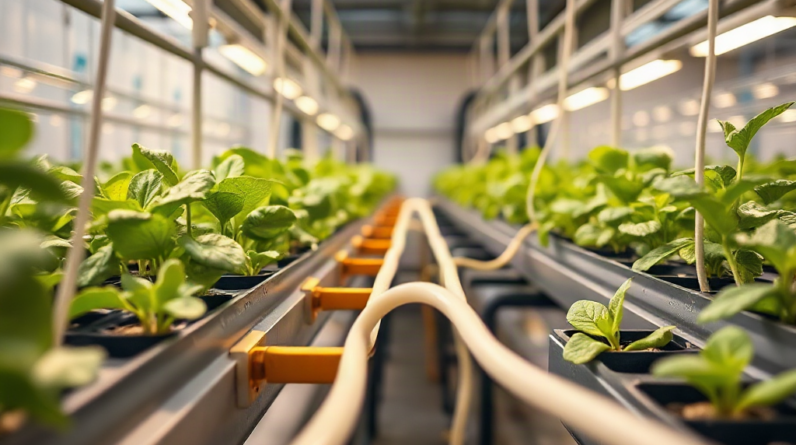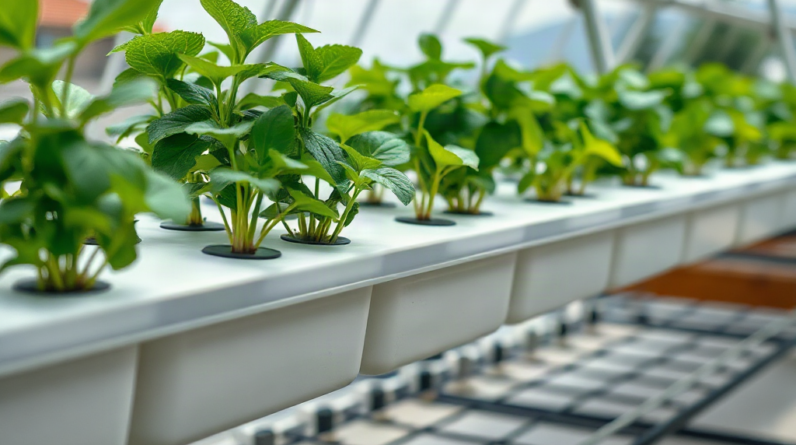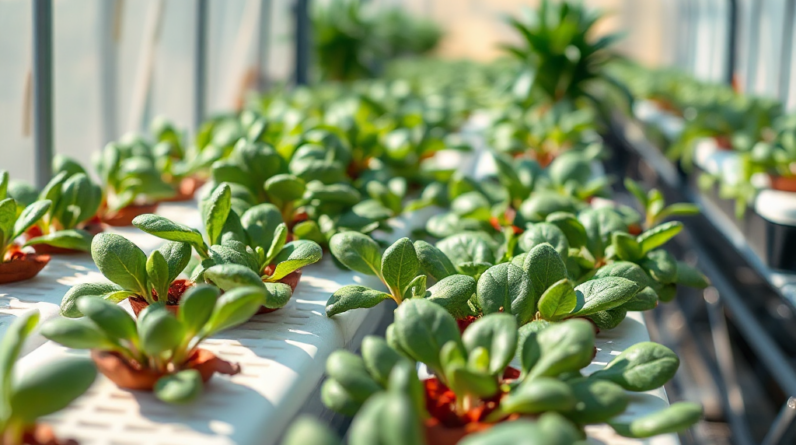
Sustainable hydroponic gardening focuses on eco-friendly practices that enhance resource efficiency and promote healthy plant growth. Utilizing renewable energy sources like solar power can significantly reduce carbon footprints associated with hydroponic systems. Implementing closed-loop water and nutrient recycling not only conserves resources but also creates a stable environment for plants. Additionally, opting for organic growth media, such as coconut coir, supports sustainability by being biodegradable and environmentally friendly. By integrating these techniques, gardeners can achieve high yields while minimizing their ecological impact.
Understanding Sustainable Hydroponic Gardening
Sustainable hydroponic gardening blends traditional hydroponic methods with environmentally conscious practices to create a more responsible approach to plant cultivation. This method focuses on reducing the ecological footprint of gardening by optimizing resource use, enhancing plant health, and minimizing waste. that sustainable practices not only benefit the environment but can also lead to healthier plants and improved yields.
At its core, sustainable hydroponic gardening emphasizes the use of renewable resources, efficient water management, and organic growing mediums. These principles help balance agricultural productivity with ecological responsibility, allowing gardeners to grow food in a way that respects and preserves the environment.
Key Techniques for Sustainable Hydroponics
Implementing sustainable techniques in hydroponic gardening involves several innovative practices. One crucial method is the use of renewable energy sources, such as solar or wind power, to run hydroponic systems. This reduces reliance on fossil fuels and lowers greenhouse gas emissions associated with food production.
Another technique is the recycling of water and nutrients within the system. Closed-loop systems allow for the recirculation of water, ensuring minimal waste while maintaining nutrient levels for plants. This not only conserves water but also provides a stable environment for plant growth.
Additionally, selecting organic growth media, such as coconut coir or peat moss, can enhance sustainability. These materials are biodegradable and can contribute to a healthier ecosystem, unlike synthetic alternatives that may leach harmful chemicals into the environment.
Common Mistakes in Sustainable Hydroponic Practices
While striving for sustainability in hydroponic gardening, several common mistakes can hinder progress. One prevalent issue is the overuse of chemical fertilizers, which can lead to nutrient runoff and water pollution. Sustainable practices advocate for the use of organic fertilizers, which are less harmful to the environment.
Another mistake is failing to monitor and adjust pH and nutrient levels regularly. Neglecting these factors can result in poor plant health and reduced yields. Implementing a routine monitoring schedule can help maintain optimal conditions for plant growth.
Lastly, many gardeners overlook the importance of biodiversity. Failing to diversify plant species can lead to increased susceptibility to pests and diseases. Incorporating a variety of crops can create a more resilient system and reduce the need for chemical interventions.
Benefits of Sustainable Hydroponic Gardening
The benefits of sustainable hydroponic gardening extend beyond environmental conservation. One significant advantage is the potential for higher yields compared to traditional farming methods. By optimizing resource use and creating ideal growing conditions, plants can thrive and produce more fruit or vegetables.
Moreover, sustainable practices often lead to improved plant health. Healthier plants are more resilient to diseases and pests, reducing the need for chemical treatments. This results in cleaner produce and a safer food supply for consumers.
Additionally, sustainable hydroponic gardening can contribute to local food security. By growing food in urban environments or areas with limited arable land, communities can access fresh produce while minimizing transportation emissions associated with food distribution.
Frequently Asked Questions
What is sustainable hydroponic gardening?
Sustainable hydroponic gardening combines hydroponic methods with eco-friendly practices to minimize resource use and promote healthy plant growth.
How do I make my hydroponic garden more sustainable?
Implement renewable energy sources, recycle water and nutrients, and choose organic growth media to enhance sustainability in your hydroponic garden.
What are the benefits of sustainable hydroponic gardening?
Sustainable hydroponic gardening can lead to higher yields, improved plant health, and increased local food security, making it beneficial for both producers and consumers.
What common mistakes should I avoid in sustainable hydroponics?
Avoid overusing chemical fertilizers, neglecting pH and nutrient monitoring, and failing to diversify plant species to maintain a healthy hydroponic system.
Can sustainable hydroponics help with food security?
Yes, by growing food in urban areas or regions with limited farmland, sustainable hydroponics can improve access to fresh produce and reduce food transportation emissions.
Further Reading
Authoritative Sources
- USDA National Institute of Food and Agriculture
nifa.usda.govResearch and extension resources related to agriculture, plants, soil, and food systems
- Extension Foundation Gardening Resources
extension.orgUniversity extension education resources for practical gardening and home agriculture topics
- USDA Natural Resources Conservation Service
nrcs.usda.govSoil, water, conservation, and land management resources for practical growing decisions
Conclusion
Embracing sustainable hydroponic gardening practices offers numerous benefits for both the environment and food production. By implementing renewable energy, recycling resources, and avoiding common pitfalls, gardeners can cultivate healthy plants while minimizing their ecological footprint. As awareness of sustainable practices grows, individuals can contribute to a more resilient and sustainable food system.