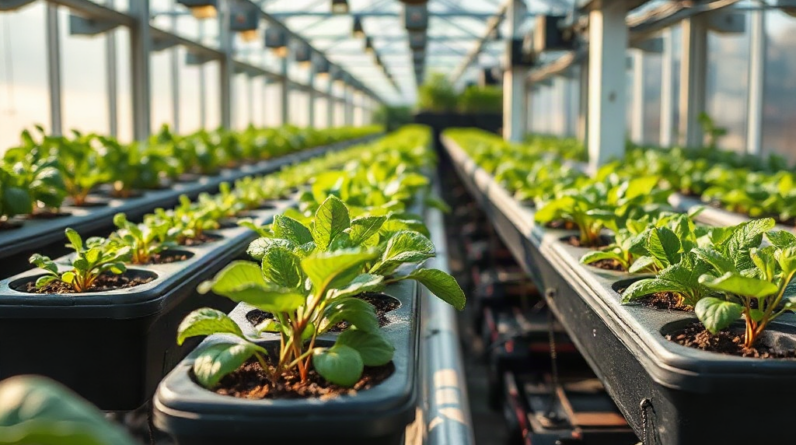
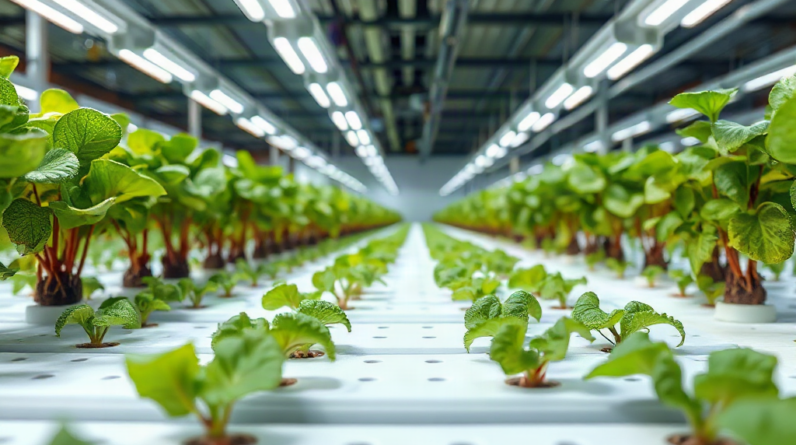
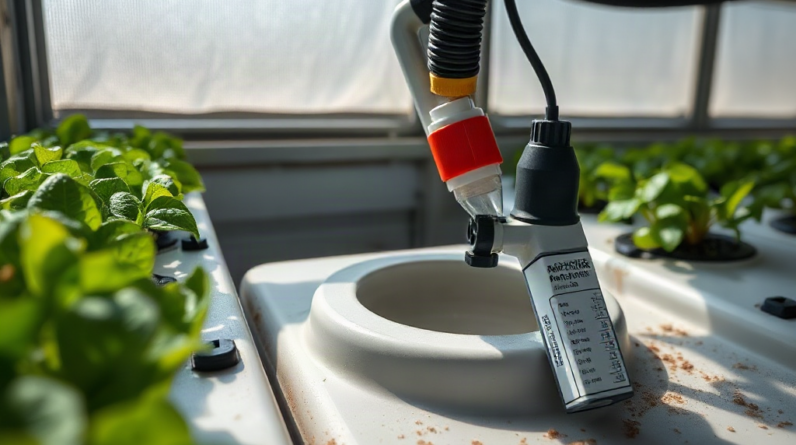
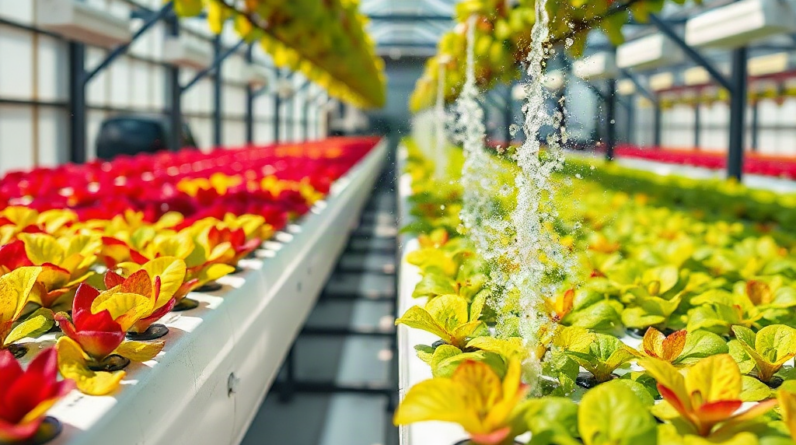
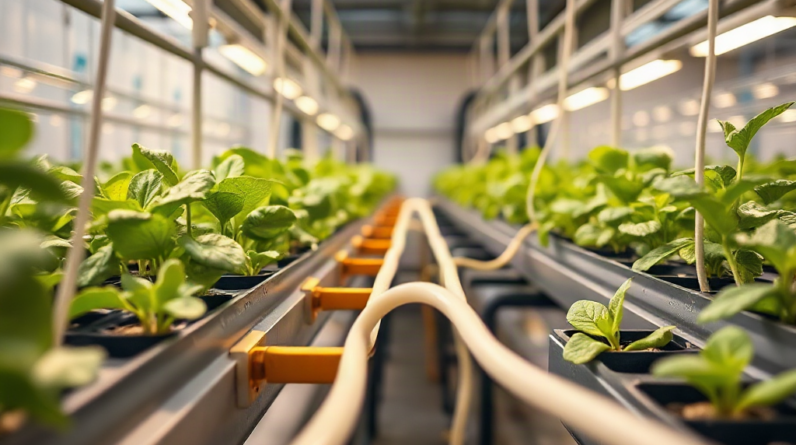
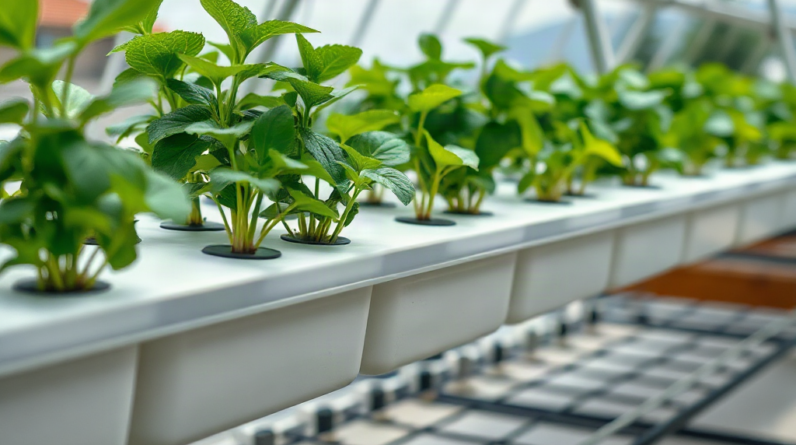
To troubleshoot inconsistent growth in hydroponic systems, focus on key factors like nutrient imbalances, pH levels, and light conditions. For instance, inadequate light intensity can stunt plant growth, while unbalanced nutrient solutions may lead to deficiencies or toxicities. It's essential to maintain a pH level between 5.5 and 6.5 to ensure nutrient availability. Regular monitoring of these parameters and making necessary adjustments can significantly enhance plant development. Additionally, consider the specific nutrient needs of the plants being grown, as different species may require tailored solutions for optimal growth.
Understanding Nutrient Solutions
Nutrient solutions are critical for the healthy growth of plants in hydroponic systems. These solutions must contain the right balance of macro and micronutrients, which are essential for plant development. Common mistakes include using a nutrient solution that is either too concentrated or too diluted, leading to nutrient burn or deficiencies. Regularly testing and adjusting the nutrient levels ensures that plants receive what they need for optimal growth.
For example, if plants show signs of yellowing leaves or stunted growth, it may indicate a nitrogen deficiency. This can be rectified by adjusting the nutrient solution to include a higher concentration of nitrogen. Additionally, growers should consider the specific needs of the plants being cultivated, as different species may require different nutrient profiles.
The Role of pH Levels
PH levels play a significant role in nutrient availability in hydroponic systems. Most plants thrive in a pH range of 5.5 to 6.5. If the pH level is too high or too low, certain nutrients may become unavailable, leading to nutrient deficiencies. For instance, a pH that is too high may lock out iron, resulting in chlorosis, while a low pH can affect calcium uptake.
Regularly testing the pH of the nutrient solution and adjusting it as necessary is crucial for maintaining plant health. Common methods to adjust pH include using pH up and pH down solutions. Growers should also be aware of the buffering capacity of their water source, which can affect how quickly pH levels change.
Light Conditions and Plant Growth
Light is a vital component of photosynthesis, and insufficient light can lead to poor plant growth. Hydroponic systems often utilize artificial lighting, and it is essential to provide the right intensity and spectrum of light for the specific plants being grown. For example, leafy greens may require different light conditions than fruiting plants.
Growers should ensure that light fixtures are positioned appropriately and that they provide adequate coverage for all plants. If plants appear leggy or have pale leaves, it may indicate inadequate light. Increasing the light intensity or duration can help rectify these issues, leading to more robust growth.
Environmental Factors and Their Impact
Environmental conditions such as temperature and humidity can significantly affect plant growth in hydroponic systems. Ideal temperatures typically range between 65°F to 75°F (18°C to 24°C) for most plants. Extreme temperatures can lead to stress, affecting overall plant health and yield.
Humidity levels also play a crucial role. High humidity can lead to mold and mildew, while low humidity can cause plants to transpire excessively, leading to wilting. Monitoring environmental conditions and making adjustments, such as using fans or humidifiers, can create a more conducive atmosphere for plant growth.
Frequently Asked Questions
What are the common causes of inconsistent growth in hydroponic systems?
Common causes include nutrient imbalances, incorrect pH levels, insufficient light, and unfavorable environmental conditions.
How often should I check the nutrient solution?
It is advisable to check the nutrient solution at least once a week to ensure proper balance and prevent deficiencies.
What is the ideal pH range for hydroponic systems?
The ideal pH range for most hydroponic plants is between 5.5 and 6.5.
How can I improve light conditions for my plants?
Ensure that light fixtures are properly positioned and provide the correct intensity and spectrum for your specific plants.
What temperature is best for hydroponic gardening?
The optimal temperature range for most hydroponic plants is between 65°F and 75°F (18°C to 24°C).
Further Reading
For more in-depth information on troubleshooting inconsistent growth in hydroponic systems, consider these resources:
Authoritative Sources
- Hydrofarm
hydrofarm.comA leading distributor of hydroponic equipment and supplies, offering guides on nutrient solutions and plant care
- Maximum Yield
maximumyield.comA comprehensive resource for hydroponics, featuring articles on troubleshooting and optimizing growth conditions
Conclusion
Addressing inconsistent growth in hydroponic systems requires careful monitoring and adjustments of nutrient solutions, pH levels, light conditions, and environmental factors. By identifying and rectifying these issues, growers can foster healthier plants and achieve better yields. Regular testing and adjustments are key to maintaining optimal conditions for growth.