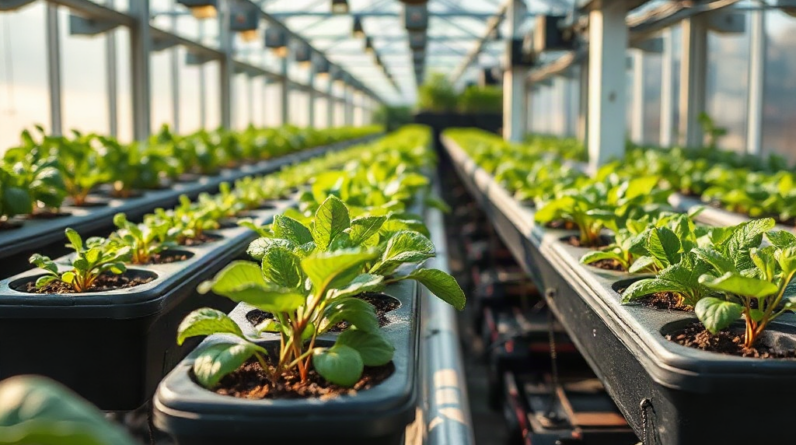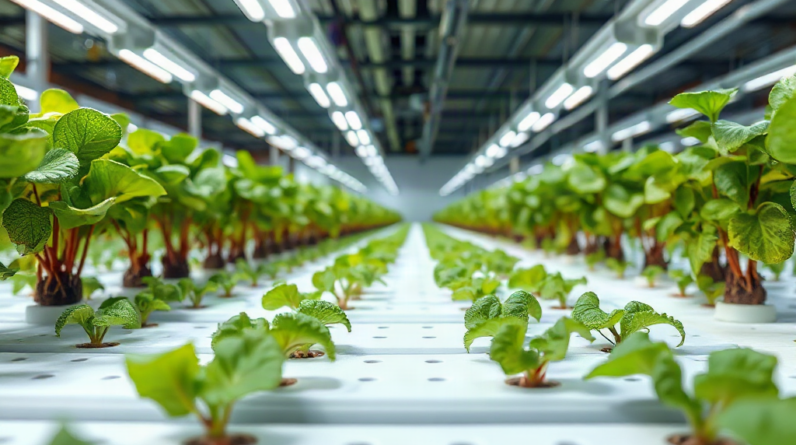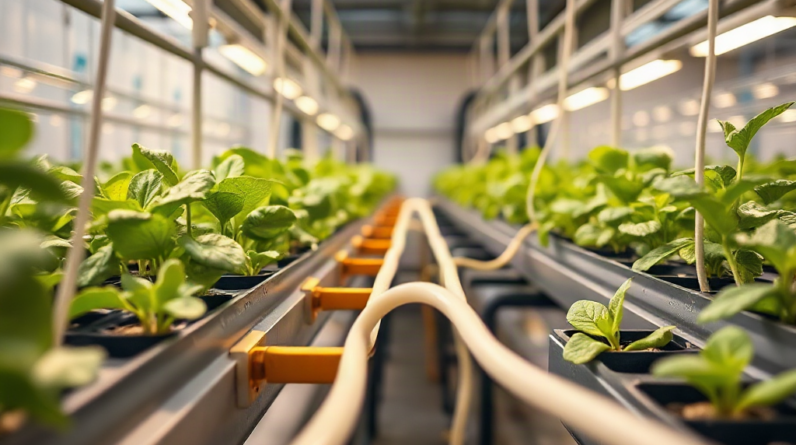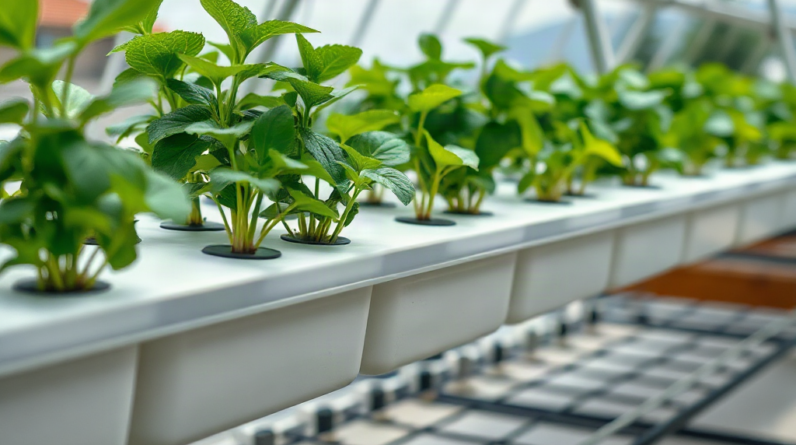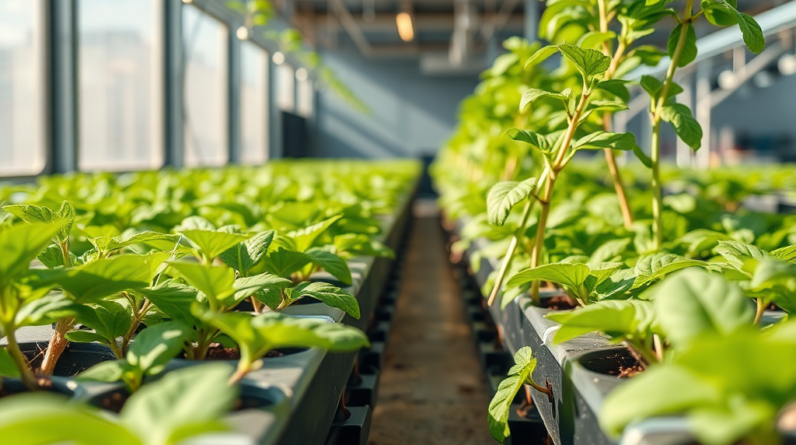
Understanding plant response to hydroponic nutrients requires an awareness of how nutrient composition, pH levels, and electrical conductivity impact growth. In hydroponic systems, plants absorb nutrients more efficiently than in soil, but this necessitates precise management of nutrient concentrations to prevent toxicity or deficiencies. For instance, an excess of one nutrient can hinder the uptake of others, leading to imbalances that affect plant health. Regular monitoring and adjusting nutrient levels according to the specific needs of the plants at various growth stages is essential for maximizing yield and ensuring robust development.
The Role of Nutrients in Hydroponic Systems
Nutrients are vital for plant health, especially in hydroponic systems where plants rely entirely on nutrient solutions for growth. In hydroponics, the primary nutrients include nitrogen, phosphorus, potassium, calcium, magnesium, and sulfur, while secondary nutrients and trace elements like iron, manganese, and zinc also play a critical role in plant development.
Each nutrient contributes to specific functions, such as nitrogen for leaf growth, phosphorus for root and flower development, and potassium for overall plant health and stress resistance. Understanding how these nutrients interact and affect plant physiology is essential for optimizing growth conditions in hydroponics.
Understanding Nutrient Absorption
Plants absorb nutrients through their roots, but in hydroponic systems, this process differs significantly from traditional soil methods. Hydroponic systems deliver nutrients directly to the roots in a water-based solution, allowing for more efficient uptake. However, this also means that the nutrient balance must be carefully managed to avoid toxicity or deficiencies.
For instance, a high concentration of certain nutrients can inhibit the absorption of others, leading to imbalances. Regular monitoring of nutrient levels and adjustments based on plant growth stages is essential for maintaining optimal health. Additionally, understanding the specific nutrient requirements of different plant species can guide effective nutrient management strategies.
Impact of pH and Electrical Conductivity
The pH level of the nutrient solution significantly affects nutrient availability and plant health. Most plants thrive in a slightly acidic to neutral pH range of 5.5 to 7.0. If the pH is too high or too low, certain nutrients may become unavailable, leading to deficiencies and poor growth.
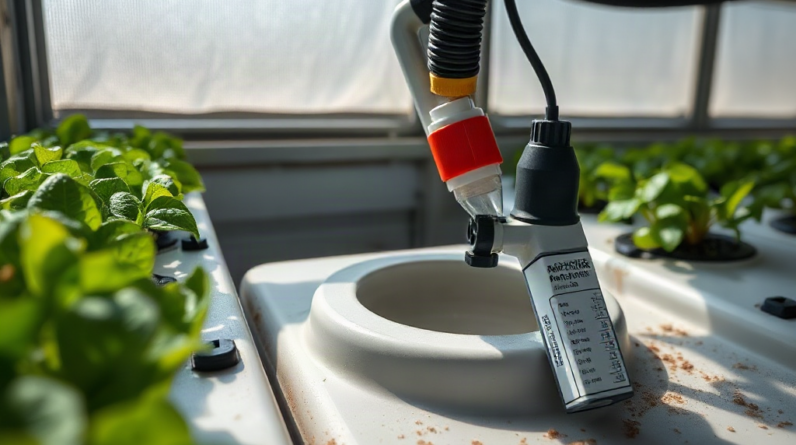
Electrical conductivity (EC) measures the nutrient concentration in the solution. High EC indicates a high nutrient concentration, while low EC suggests a diluted solution. Both parameters must be regularly checked and adjusted to ensure plants receive the right amount of nutrients without causing stress or toxicity. Regular testing and adjustments can help maintain a balanced environment for healthy plant growth.
Common Nutrient Deficiencies and Solutions
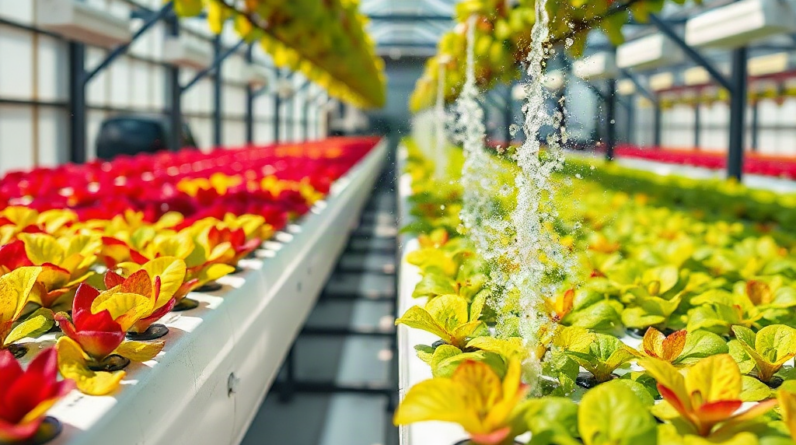
In hydroponic systems, nutrient deficiencies can manifest quickly due to the rapid growth rates of plants. Common deficiencies include nitrogen deficiency, which results in yellowing leaves; phosphorus deficiency, leading to stunted growth; and potassium deficiency, which can cause leaf curling and browning.
Identifying these deficiencies early is crucial. Solutions typically involve adjusting the nutrient solution to include the lacking elements. For example, adding a nitrogen-rich fertilizer can rectify nitrogen deficiency, while ensuring the pH is within the optimal range can enhance nutrient availability overall. Regular observation and prompt corrective actions are key to preventing deficiencies from affecting plant health.
Frequently Asked Questions
What are the primary nutrients needed for hydroponic plants?
The primary nutrients essential for hydroponic plants include nitrogen, phosphorus, potassium, calcium, magnesium, and sulfur.
How does pH affect nutrient absorption in hydroponics?
PH affects nutrient availability, with most plants thriving in a pH range of 5.5 to 7.0; outside this range, certain nutrients may become unavailable.
What is electrical conductivity (EC) in hydroponics?
Electrical conductivity measures the concentration of nutrients in the solution; it helps determine if the nutrient levels are too high or too low.
How can I identify nutrient deficiencies in my hydroponic system?
Nutrient deficiencies can be identified by observing plant symptoms such as yellowing leaves (nitrogen deficiency) or stunted growth (phosphorus deficiency).
What should I do if my plants show signs of nutrient toxicity?
If nutrient toxicity is suspected, dilute the nutrient solution with water and adjust the nutrient concentrations to safe levels.
Further Reading
Authoritative Sources
- Hydroponics: An Overview
hydroponics.comThis resource provides a comprehensive look at hydroponics, including nutrient management and plant response
- USDA Hydroponics Resources
usda.govOfficial guidelines and research on hydroponic practices and nutrient management
- University Extension on Hydroponics
extension.orgEducational materials and research findings on nutrient solutions and plant growth in hydroponics
Conclusion
Understanding plant response to hydroponic nutrients is crucial for successful gardening in controlled environments. By monitoring nutrient levels, pH, and electrical conductivity, gardeners can ensure optimal growth conditions. Recognizing and addressing nutrient deficiencies promptly will lead to healthier plants and improved yields. Regularly adjusting nutrient solutions based on plant needs and growth stages will enhance overall hydroponic success.