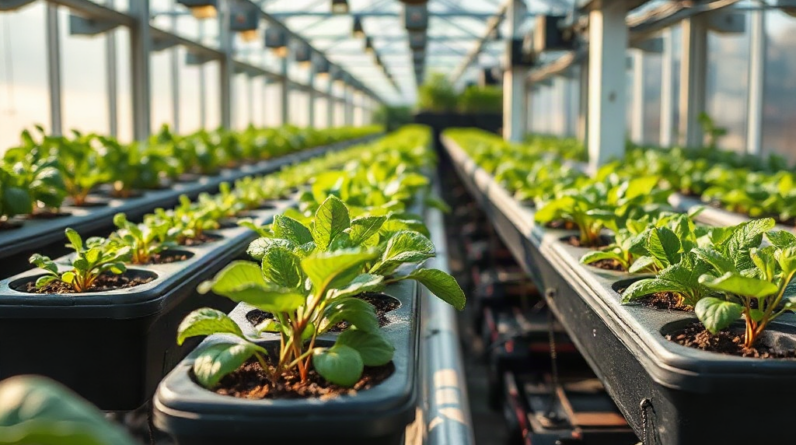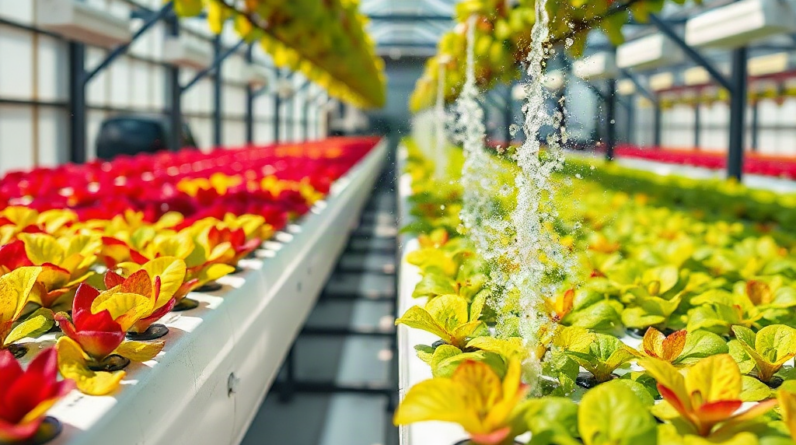
Hydroponic plants require a precise balance of essential nutrients, including nitrogen, phosphorus, and potassium, among others. If these nutrients are lacking, plants may exhibit slow growth, yellowing leaves, and overall poor health. Regularly test your nutrient solution to ensure that it meets the required levels for your specific plant types.
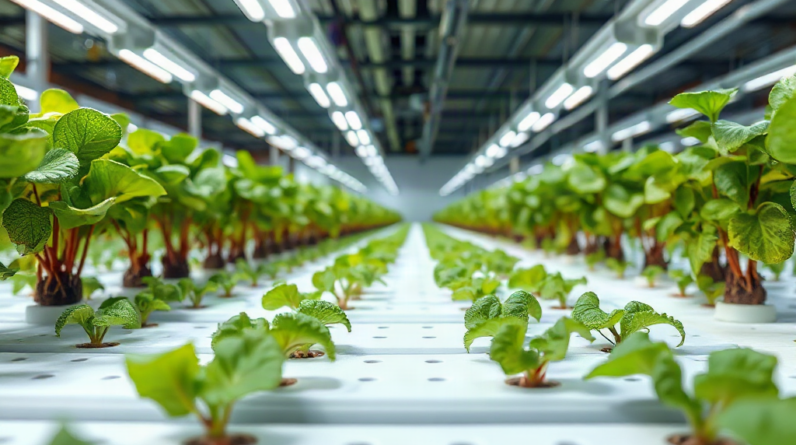
Inadequate lighting is another critical factor contributing to stunted growth. Plants rely on light for photosynthesis, which is vital for their energy production. If your hydroponic setup does not provide sufficient light intensity or duration, plants may not grow to their full potential. Consider using full-spectrum LED grow lights to enhance growth and ensure that your plants receive the right amount of light each day.
Understanding Nutrient Imbalances
Nutrient imbalances can lead to stunted growth in hydroponic plants, as insufficient or excessive levels of essential nutrients can cause physiological stress. For instance, a lack of nitrogen may result in slow growth and yellowing leaves, while too much phosphorus can lead to root burn. Regular monitoring and adjustment of nutrient solutions are vital for ensuring that plants receive the correct balance of nutrients.
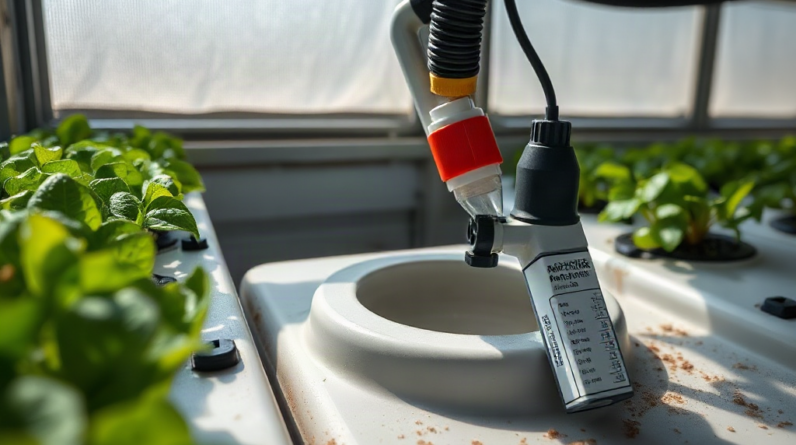
To prevent nutrient imbalances, regularly check the pH and electrical conductivity (EC) of your nutrient solution. Maintaining a pH level between 5.5 and 6.5 is generally ideal for most hydroponic crops, while EC levels should be adjusted based on the specific needs of the plants being grown. Consider using a well-balanced nutrient formula specifically designed for hydroponics, and adjust the mixture according to the growth stage of your plants.
Importance of Adequate Light
Light is essential for photosynthesis, and insufficient light can significantly stunt plant growth. Hydroponic systems often rely on artificial lighting, especially in indoor setups. Ensure that your plants receive adequate light intensity and duration, which typically ranges from 12 to 16 hours a day, depending on the plant species.
Investing in high-quality grow lights, such as LED or HID lights, can greatly enhance plant growth and health. Position the lights at the appropriate distance from the plants, as too much distance can reduce light intensity, while too close can lead to overheating. Regularly rotate your plants or adjust the light setup to ensure even exposure and growth.
Water Quality and Its Impact
Water quality is crucial in hydroponics, as contaminated water can lead to root diseases and stunted growth. Ensure that your water is free from harmful pathogens and contaminants. Regularly test your water for pH, EC, and microbial content to maintain optimal conditions for plant health.
Using filtered or distilled water can help prevent issues related to poor water quality. Additionally, consider incorporating beneficial microbes into your nutrient solution to promote a healthy root environment. This can enhance nutrient uptake and overall plant vigor.
Common Mistakes to Avoid
Many hydroponic gardeners make common mistakes that contribute to stunted plant growth. Over-fertilizing is a frequent issue, as it can lead to nutrient burn and root damage. Always follow recommended guidelines for nutrient concentrations and adjust as necessary based on plant responses.
Another mistake is neglecting environmental factors such as temperature and humidity. Ensure that your hydroponic system maintains optimal conditions for plant growth, typically between 65°F and 75°F (18°C to 24°C) with moderate humidity levels. Regularly monitor these factors to prevent stress and promote healthy growth.
Further Reading
Authoritative Sources
- USDA National Institute of Food and Agriculture
nifa.usda.govResearch and extension resources related to agriculture, plants, soil, and food systems
- Extension Foundation Gardening Resources
extension.orgUniversity extension education resources for practical gardening and home agriculture topics
- USDA Natural Resources Conservation Service
nrcs.usda.govSoil, water, conservation, and land management resources for practical growing decisions
Conclusion
In summary, addressing stunted growth in hydroponic plants requires careful attention to nutrient balance, light exposure, and water quality. Regular monitoring and adjustments can significantly improve plant health and yield. Avoid common mistakes like over-fertilizing and ensure optimal environmental conditions to foster robust growth. By prioritizing these aspects, you can create a thriving hydroponic garden that yields healthy plants.