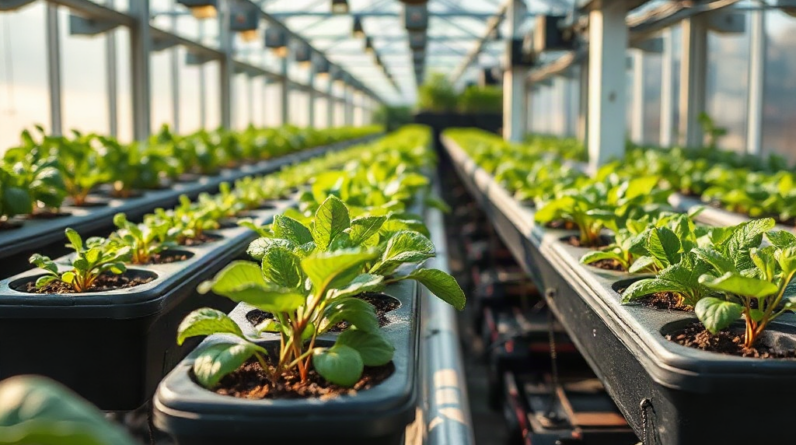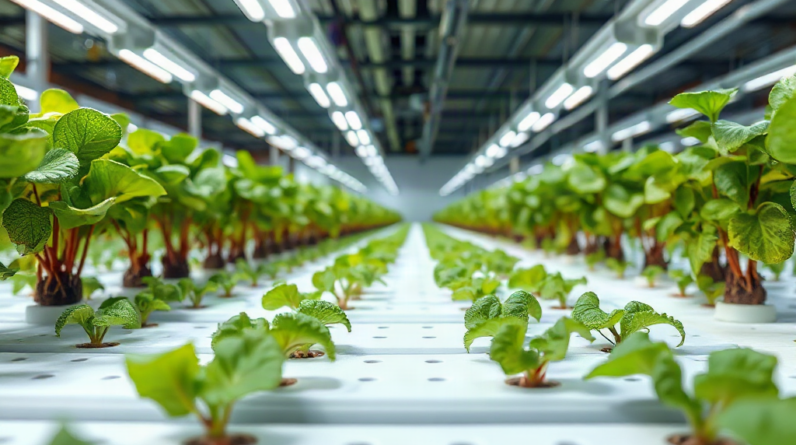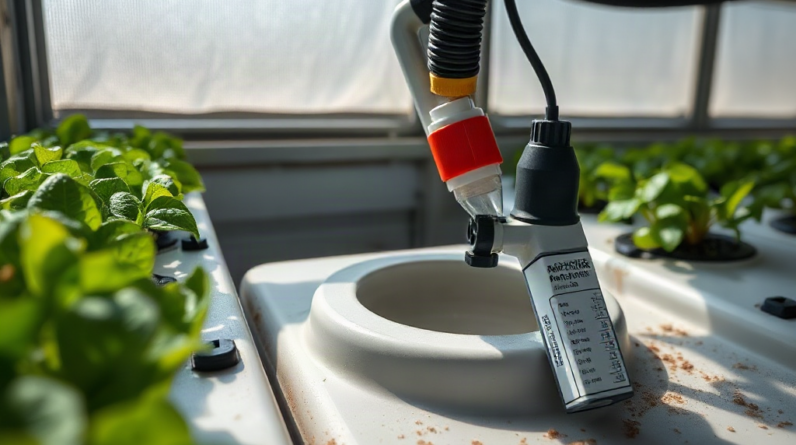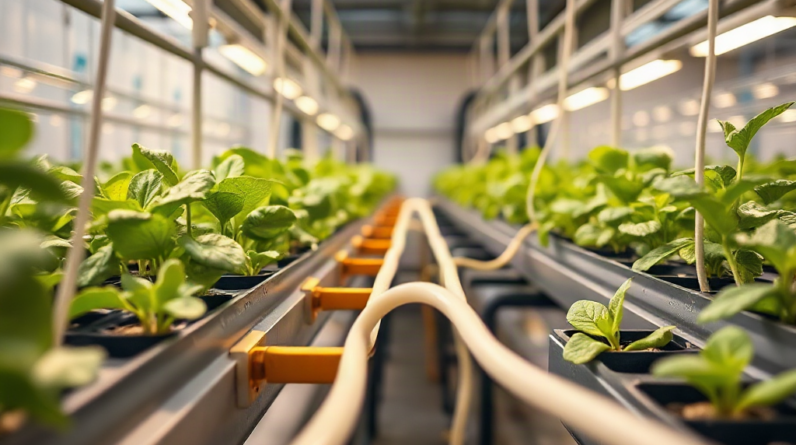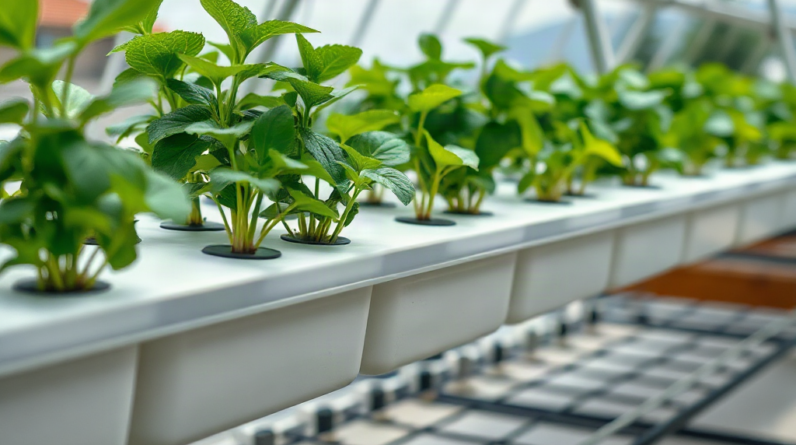
Hydroponic cucumbers may fail to produce fruit due to factors like inadequate pollination, nutrient deficiencies, and environmental stress. Pollination is essential, especially since some cucumber varieties need assistance; hand-pollination or introducing pollinators can enhance fruit set. Nutrient management is also critical; ensure that phosphorus and potassium levels are adequate during flowering. Regularly check the pH of your nutrient solution, keeping it between 5.5 and 6.5, as improper pH can hinder nutrient uptake.
Pollination Challenges in Hydroponics
Pollination is crucial for cucumbers to produce fruit, and in hydroponic systems, this can be a challenge due to the absence of natural pollinators. While some cucumber varieties are self-pollinating, others require assistance. Without adequate pollination, the flowers may drop without setting fruit, leading to disappointing yields. To address this, growers can hand-pollinate flowers or introduce pollinator insects into the growing area.
Using a small brush or cotton swab to transfer pollen from male to female flowers can significantly increase the chances of fruit development. Additionally, consider the timing of pollination; flowers typically open in the morning, making it the ideal time for hand-pollination. Regular monitoring of flower development can help identify when intervention is necessary.
Nutrient Management for Fruit Development
Nutrient imbalances can severely impact the ability of hydroponic cucumbers to set fruit. Key nutrients such as phosphorus and potassium are vital during the flowering and fruiting stages. A deficiency in these nutrients can lead to poor flower development and reduced fruit set. It’s essential to maintain an optimal nutrient solution tailored to the growth stage of the plants.
Regular testing of the nutrient solution’s electrical conductivity (EC) and pH levels is crucial. An ideal pH range for cucumbers is typically between 5.5 and 6.5. If the pH is too high or low, nutrient uptake can be compromised, leading to deficiencies or toxicities. Adjusting the nutrient mix to ensure it meets the specific needs of fruiting cucumbers can enhance overall yield.
Environmental Factors Affecting Fruiting
Environmental conditions play a significant role in the success of hydroponic cucumbers. Factors such as light intensity, temperature, and humidity can all influence the fruiting process. Cucumbers thrive in bright light conditions; therefore, ensuring that plants receive at least 12-14 hours of light daily is essential for encouraging flowering and fruiting.
Temperature is another critical factor; cucumbers prefer a daytime temperature of around 70-85°F (21-29°C) and a nighttime temperature of 55-65°F (13-18°C). Extreme fluctuations can stress plants and inhibit fruit set. Maintaining consistent humidity levels between 50-70% can also prevent flower drop, as excessive humidity can lead to fungal problems, while too little can cause dehydration.
Common Mistakes to Avoid
Many hydroponic gardeners make common mistakes that can hinder cucumber fruiting. One frequent error is over-fertilization, which can lead to lush foliage at the expense of flowers and fruit. It’s crucial to follow a balanced feeding schedule that aligns with the growth phase of the plant.
Another mistake is inadequate pruning; failing to remove excess foliage can restrict airflow and light penetration, both of which are vital for fruit production. Regularly inspecting plants and removing any dead or yellowing leaves can promote healthier growth. Additionally, neglecting to monitor environmental conditions can lead to stress and poor fruiting outcomes.
Frequently Asked Questions
What causes cucumbers to drop flowers in hydroponics?
Flower drop in hydroponic cucumbers can be caused by poor pollination, nutrient deficiencies, or environmental stress such as temperature fluctuations.
How can I improve pollination for my hydroponic cucumbers?
Improving pollination can be achieved through hand-pollination techniques or by introducing pollinating insects into the growing area.
What nutrient deficiencies affect cucumber fruiting?
Deficiencies in phosphorus and potassium are critical as they are essential for flower and fruit development.
What temperature is ideal for growing hydroponic cucumbers?
Cucumbers thrive at daytime temperatures of 70-85°F (21-29°C) and nighttime temperatures of 55-65°F (13-18°C).
How can I prevent over-fertilization in my hydroponic system?
Regularly test the nutrient solution and follow a balanced feeding schedule that aligns with the growth stage of the plants.
Further Reading
Authoritative Sources
- USDA Cooperative Extension
extension.orgThis resource provides extensive information on hydroponic practices, including nutrient management and pest control
- HortiDaily
hortidaily.comA leading source for the latest news and research in the horticultural industry, particularly in hydroponics
- Gardener's Supply Company
gardeners.comOffers practical tips and products for successful hydroponic gardening
Conclusion
Addressing the reasons why hydroponic cucumbers may not fruit involves understanding pollination, nutrient management, and environmental conditions. By ensuring adequate pollination, maintaining balanced nutrient levels, and optimizing growing conditions, you can significantly enhance fruiting success. Regular monitoring and adjustments are key to creating an environment where cucumbers can thrive and produce abundant fruit.