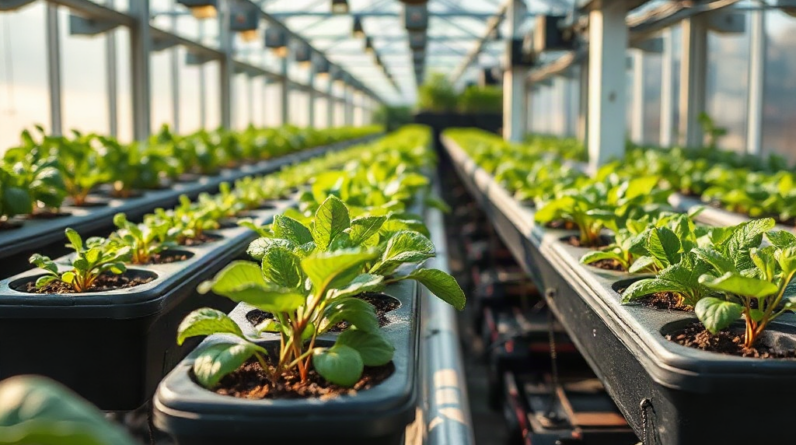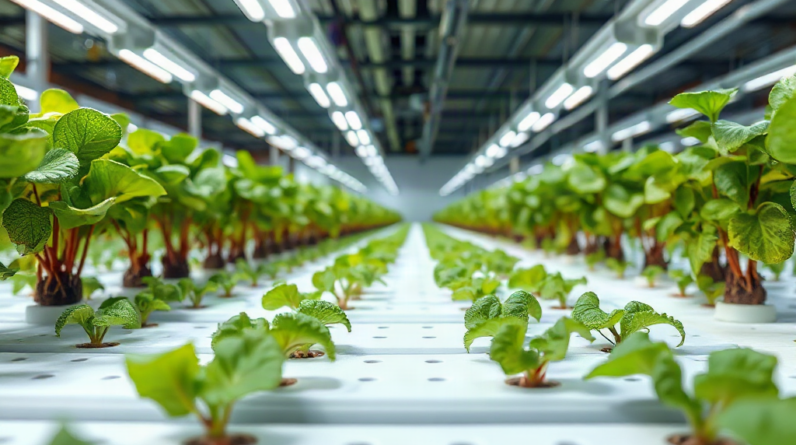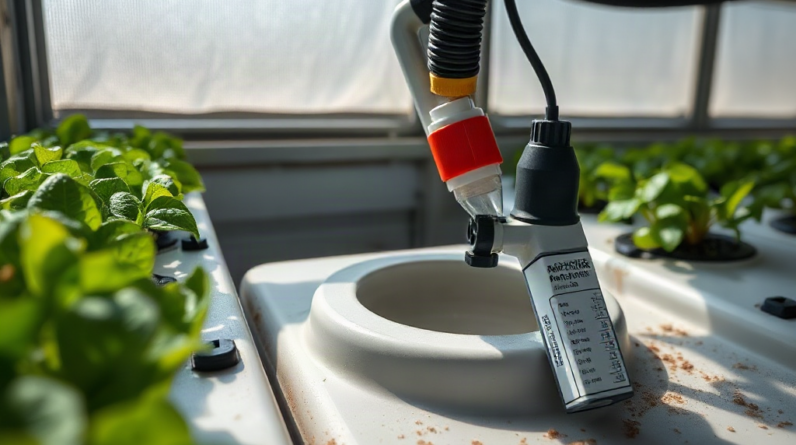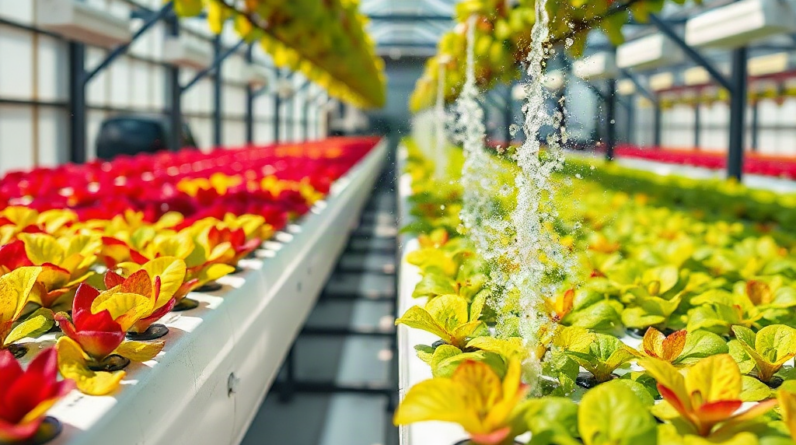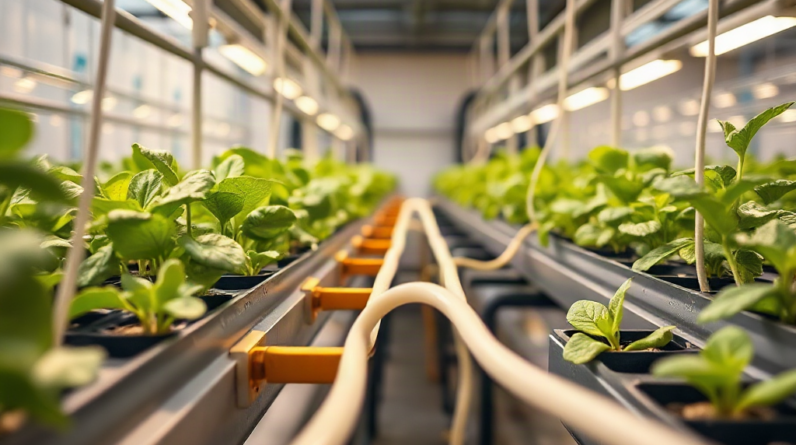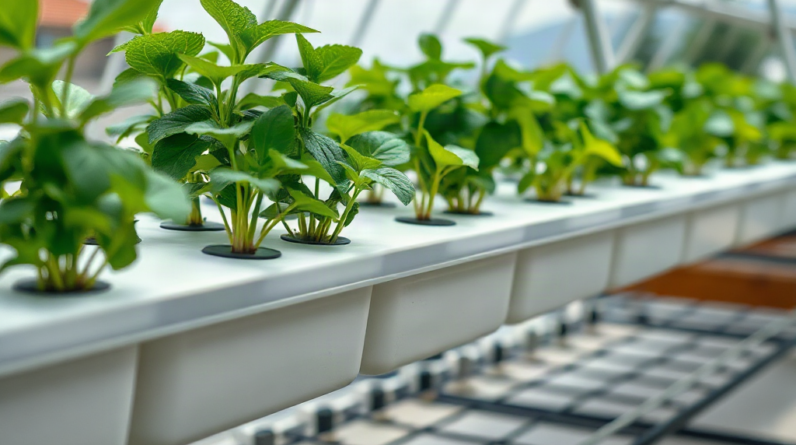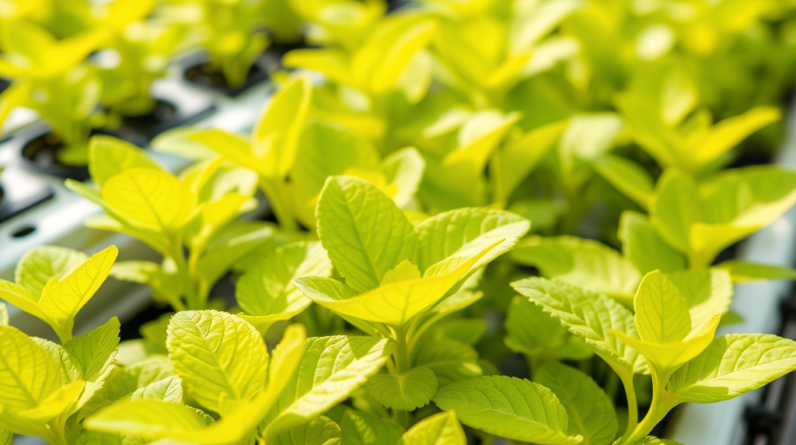
Hydroponic plants turning yellow typically indicates issues such as nutrient deficiencies, overwatering, or insufficient light. A common cause is nitrogen deficiency, which leads to yellowing in older leaves, while magnesium deficiency can cause yellowing between leaf veins. To address these problems, regularly test your nutrient solution for balance and ensure optimal pH levels between 5.5 and 6.5. Additionally, avoid overwatering by monitoring moisture levels and ensuring proper drainage in your system, as excess water can lead to root rot and hinder nutrient uptake. Taking these steps can help restore your plants' health and vibrant color.
Understanding Nutrient Deficiencies
Nutrient deficiencies are a primary reason why hydroponic plants may turn yellow. Essential nutrients like nitrogen, magnesium, and iron play critical roles in plant health. For instance, nitrogen deficiency typically manifests as yellowing of older leaves, while magnesium deficiency can cause yellowing between the veins of leaves. Without these nutrients, plants struggle to perform photosynthesis effectively, leading to stunted growth and overall poor health.
To tackle nutrient deficiencies, regular monitoring of the nutrient solution’s composition is vital. Hydroponic systems should maintain a balanced nutrient profile, which can be achieved through periodic testing. If deficiencies are detected, adding the appropriate nutrient solution can quickly rectify the issue. Additionally, ensuring that the pH levels are optimal (generally between 5.5 and 6.5) is crucial for nutrient uptake.
The Role of Watering Practices
Overwatering is a common mistake in hydroponic gardening that can lead to yellowing leaves. When plants receive too much water, their roots can become waterlogged, leading to root rot and reduced oxygen availability. This condition severely limits the plant’s ability to absorb nutrients, causing leaves to turn yellow.
Proper watering practices involve monitoring the moisture levels in the growing medium and adjusting the frequency of watering accordingly. Utilizing a moisture meter can help gauge soil moisture accurately. Additionally, ensuring that the hydroponic system provides adequate drainage will help prevent overwatering issues. It’s essential to strike a balance between keeping the roots hydrated and preventing excess moisture.
Importance of Proper Lighting
Insufficient light is another factor that can lead to yellowing in hydroponic plants. Plants need adequate light for photosynthesis, and without it, they cannot produce the energy required for growth. Yellowing leaves may indicate that the plants are not receiving enough light, particularly in the lower leaves.
To ensure optimal lighting, consider the type of grow lights used, their intensity, and the duration of exposure. LED grow lights are popular for their efficiency and ability to provide the necessary spectrum for plant growth. Aim for 12 to 16 hours of light per day, depending on the plant species, and adjust the distance between the light source and plants to avoid burning the leaves.
Environmental Factors Impacting Growth
Other environmental factors such as temperature, humidity, and airflow can significantly impact the health of hydroponic plants. Extreme temperatures can stress plants, leading to yellowing leaves. Ideally, the temperature should range between 65°F and 75°F during the day and slightly cooler at night.
Maintaining proper humidity levels is equally important. High humidity can promote fungal diseases, while low humidity can lead to dehydration. Adequate airflow is essential to prevent stagnant air, which can contribute to mold growth and nutrient uptake issues. Regularly checking and adjusting the environment will help maintain healthy plants.
Frequently Asked Questions
Why are my hydroponic plants turning yellow?
Yellowing can be caused by nutrient deficiencies, overwatering, or inadequate lighting.
How can I fix nutrient deficiencies in my hydroponic system?
Test your nutrient solution regularly and add the necessary nutrients to balance the profile.
What is the ideal pH for hydroponic plants?
The optimal pH range for most hydroponic plants is between 5.5 and 6.5.
How often should I water my hydroponic plants?
Watering frequency depends on the system type; monitor moisture levels to avoid overwatering.
What type of lighting is best for hydroponic plants?
LED grow lights are effective for providing the necessary light spectrum for plant growth.
Further Reading
Authoritative Sources
- USDA National Institute of Food and Agriculture
nifa.usda.govResearch and extension resources related to agriculture, plants, soil, and food systems
- Extension Foundation Gardening Resources
extension.orgUniversity extension education resources for practical gardening and home agriculture topics
- USDA Natural Resources Conservation Service
nrcs.usda.govSoil, water, conservation, and land management resources for practical growing decisions
Conclusion
Addressing the yellowing of hydroponic plants requires prompt identification of the underlying causes, whether they are nutrient deficiencies, watering issues, or lighting problems. Regular monitoring of nutrient levels, moisture content, and environmental conditions will help maintain plant health. By implementing these practices, you can prevent yellowing and ensure your hydroponic garden thrives.