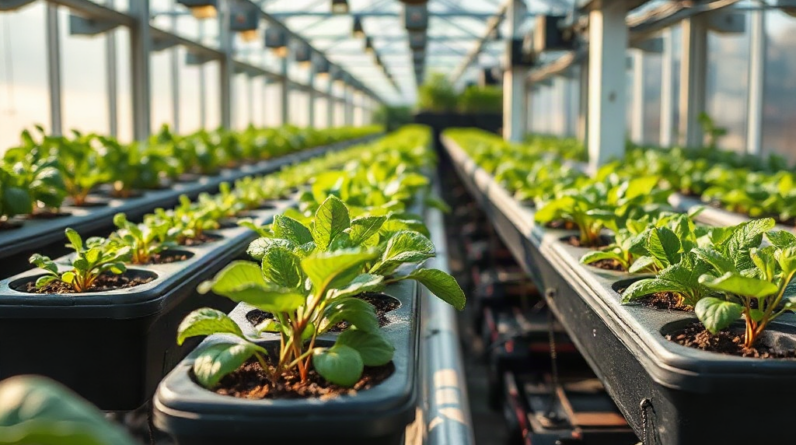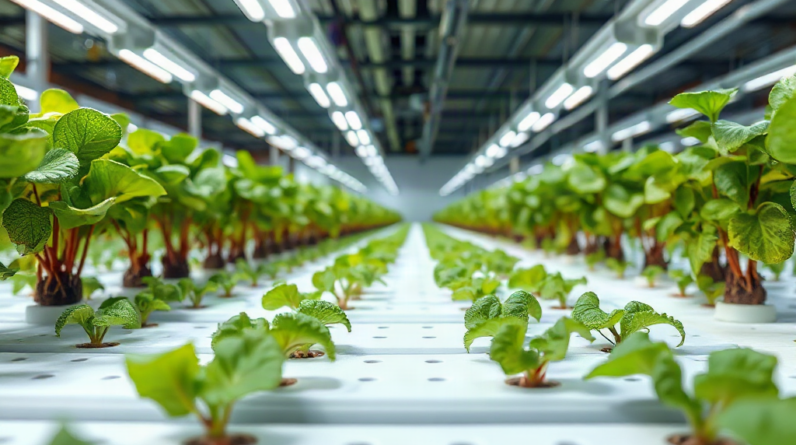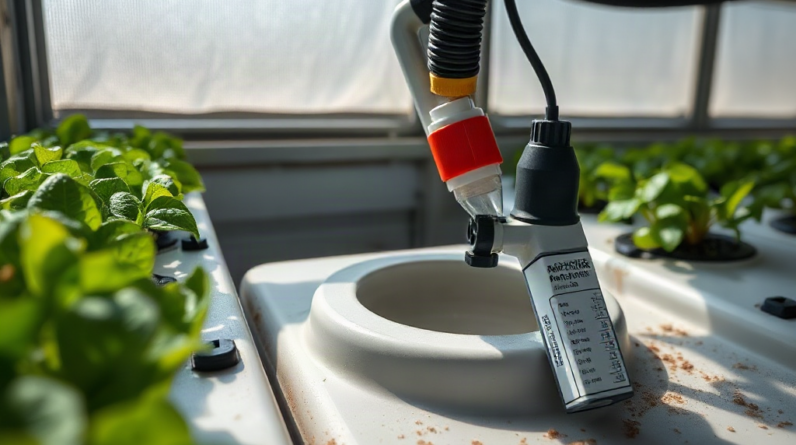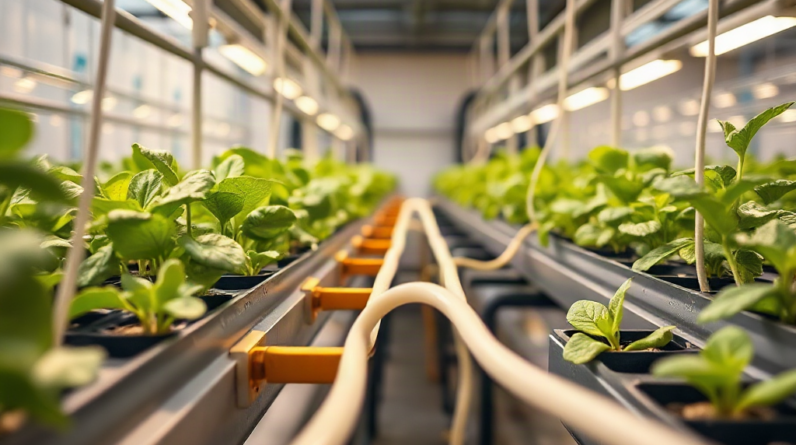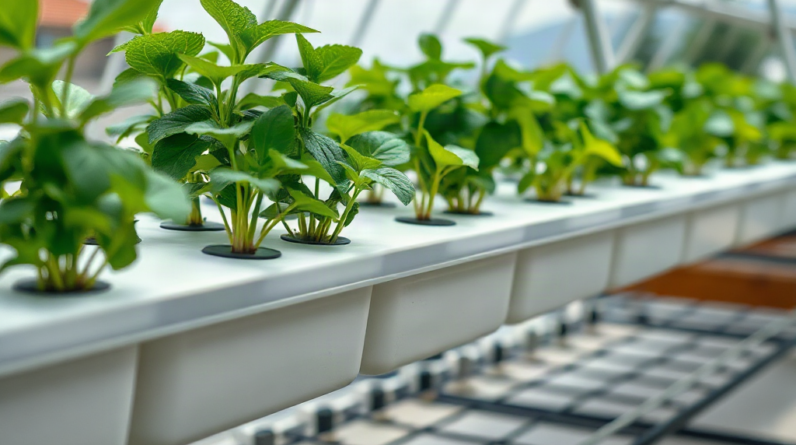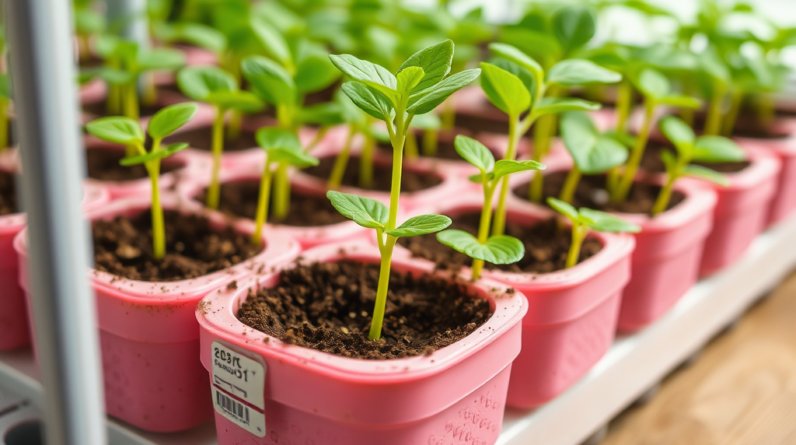
Understanding these factors is vital for successful hydroponic gardening. Moreover, the pH level of the nutrient solution should ideally be maintained between 5.5 and 6.5 to ensure optimal nutrient absorption. Light is another critical element—seedlings typically need at least 12-16 hours of light per day to grow healthy and strong.
Nutrient Deficiency and Imbalance
Nutrient deficiencies can severely impact seedling health in hydroponic systems. Each nutrient plays a specific role in plant development; for example, nitrogen promotes leafy growth, while phosphorus is essential for root and flower development. If seedlings do not receive the right nutrients in the right amounts, they can exhibit symptoms like yellowing leaves or stunted growth.
It is essential to regularly monitor and adjust the nutrient solution to ensure it meets the seedlings’ needs. Hydroponic systems often use liquid fertilizers that can be tailored to provide specific nutrient ratios. A common mistake is over-fertilization, which can lead to nutrient burn and further complications. Therefore, starting with a diluted nutrient solution and gradually increasing it as the seedlings develop is a prudent approach.
Importance of pH Levels
The pH level of the nutrient solution is a critical factor that influences nutrient availability. If the pH is too high or too low, certain nutrients become locked out, making them unavailable to the plants. For instance, a pH level below 5.5 can lead to deficiencies in calcium and magnesium, while a level above 6.5 may restrict iron absorption.
Regular testing of the pH is necessary to maintain a suitable range. Hydroponic growers should invest in a reliable pH meter and adjust their solutions using pH up or down products as needed. It is advisable to check the pH at least once a week, especially during the early stages of seedling development when they are most sensitive to fluctuations.
Light Requirements for Seedlings
Light is another essential component for healthy seedling growth in hydroponic systems. Seedlings require adequate light to perform photosynthesis, which is crucial for energy production and growth. Insufficient light can lead to weak, elongated seedlings that struggle to develop strong roots.
To optimize light exposure, hydroponic growers should use full-spectrum LED grow lights, which mimic natural sunlight and provide the necessary wavelengths for plant growth. Placing lights at the appropriate distance from the seedlings is also critical; too far can reduce light intensity, while too close can cause heat stress. A light cycle of 12-16 hours per day is generally recommended for seedlings.
Further Reading
Authoritative Sources
- Hydroponics 101
hydroponics.comThis resource provides comprehensive information on hydroponic gardening, including nutrient management and environmental control
- Gardening Know How
gardeningknowhow.comA reliable source for tips on managing seedlings and troubleshooting common issues in hydroponic systems
Frequently Asked Questions
What are the common signs that seedlings are struggling in hydroponics?
Common signs include yellowing leaves, slow growth, and weak stems, indicating nutrient deficiencies or environmental stress.
How often should I check nutrient levels in hydroponic systems?
Nutrient levels should be checked at least once a week, especially during the seedling stage, to ensure optimal growth conditions.
What pH level is ideal for hydroponic seedlings?
The ideal pH level for hydroponic seedlings is between 5.5 and 6.5 to ensure proper nutrient absorption.
How much light do seedlings need in hydroponics?
Seedlings typically need 12-16 hours of light per day to promote healthy growth and prevent elongation.
What should I do if my seedlings are not growing?
Evaluate nutrient levels, pH, and light exposure; adjust these factors as necessary to promote healthy growth.
Conclusion
In conclusion, understanding why seedlings struggle in hydroponic systems is crucial for effective gardening. Key factors such as nutrient management, pH balance, and light exposure must be carefully monitored and adjusted. By prioritizing these elements, gardeners can significantly improve seedling health and growth rates. Regular testing and adjustments, along with proper setup, will ensure that seedlings thrive in a hydroponic environment.