[smartvidpro_video]
Hydroponic cucumbers may fail to produce fruit due to several critical factors, including insufficient light, nutrient deficiencies, or unfavorable environmental conditions. These elements are crucial for the flowering process and overall fruit development. For instance, cucumbers require specific wavelengths of light for photosynthesis and growth; without adequate light, they may not blossom properly, leading to low or no fruit production.
Another common issue is nutrient imbalance. Hydroponic systems need a carefully calibrated nutrient solution to support healthy plant growth. If the cucumbers aren’t receiving the right balance of macronutrients and micronutrients, their growth and fruiting can be severely affected. Additionally, environmental conditions such as temperature and humidity must be optimized to create a conducive growing atmosphere.
Light Requirements for Hydroponic Cucumbers
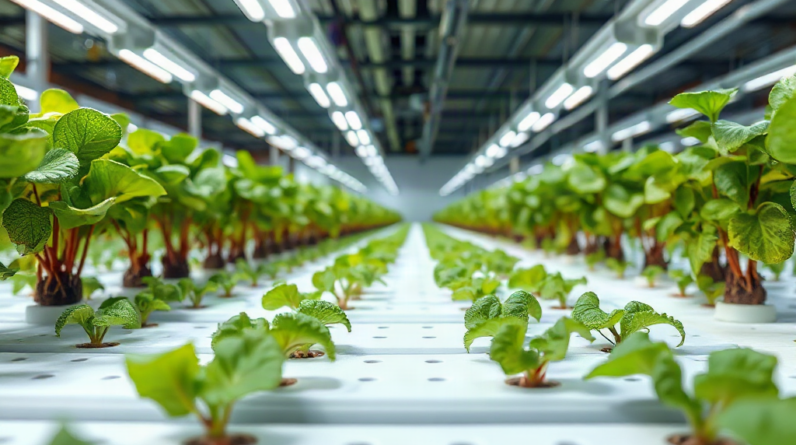
Hydroponic cucumbers thrive under specific light conditions. They typically require around 12 to 14 hours of light each day, preferably from full-spectrum LED lights that provide the necessary wavelengths for photosynthesis. Insufficient light can lead to stunted growth and poor flowering, resulting in minimal fruit set.
To ensure optimal lighting conditions, consider using timers to regulate light exposure and adjust the height of your grow lights as the plants grow. This adjustment helps maintain the ideal distance between the light source and the plants, promoting healthy growth and maximizing yield.
Nutrient Management in Hydroponics
Nutrient management is a vital aspect of hydroponic gardening. Cucumbers require a balanced nutrient solution that includes nitrogen, phosphorus, potassium, calcium, magnesium, and trace elements. An imbalance can lead to symptoms such as yellowing leaves or poor fruit development, indicating that the plants lack essential nutrients.
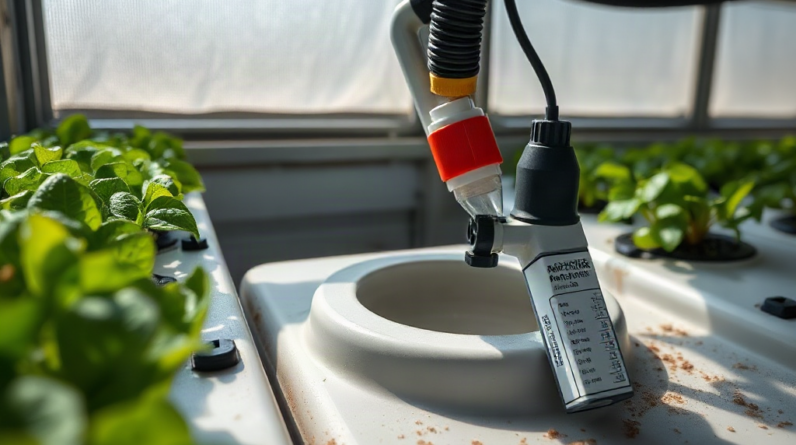
Regularly test your nutrient solution and adjust the concentrations as necessary. A good practice is to follow a nutrient schedule that aligns with the growth stages of your cucumbers, ensuring they receive the right nutrients at the right time. This proactive approach can help avoid nutrient lockout and other issues that could impede fruit production.
Environmental Conditions Impacting Growth
Temperature and humidity play critical roles in the success of hydroponic cucumbers. Cucumbers generally prefer temperatures between 70°F and 85°F (21°C to 29°C) during the day and slightly cooler at night. Extreme temperatures can stress the plants, leading to poor growth and reduced fruit yield.
Humidity levels should ideally be around 60% to 70%. Too high humidity can promote fungal diseases, while too low humidity can lead to wilting and poor fruit set. Monitoring these environmental factors closely and making necessary adjustments can significantly enhance your cucumbers’ health and productivity.
Common Mistakes to Avoid
Several common mistakes can hinder the production of hydroponic cucumbers. Overwatering or underwatering can stress the plants, leading to poor fruiting. Additionally, neglecting to prune and train the plants can result in overcrowding, limiting airflow and light penetration.
Ensure that you regularly check your plants for pests and diseases, as these can also negatively impact production. Implementing good hygiene practices and maintaining a clean growing environment can help mitigate these risks and promote a successful harvest.
Further Reading
Authoritative Sources
- USDA National Institute of Food and Agriculture
nifa.usda.govResearch and extension resources related to agriculture, plants, soil, and food systems - Extension Foundation Gardening Resources
extension.orgUniversity extension education resources for practical gardening and home agriculture topics - USDA Natural Resources Conservation Service
nrcs.usda.govSoil, water, conservation, and land management resources for practical growing decisions
Frequently Asked Questions
What are the light requirements for hydroponic cucumbers?
Hydroponic cucumbers need around 12 to 14 hours of light daily, preferably from full-spectrum LED lights.
How can I manage nutrients effectively in hydroponics?
Regularly test your nutrient solution and adjust concentrations to ensure a balanced mix of essential nutrients for cucumbers.
What environmental conditions are best for growing cucumbers?
Cucumbers thrive in temperatures between 70°F and 85°F and humidity levels of 60% to 70% for optimal growth.
What mistakes should I avoid when growing hydroponic cucumbers?
Avoid overwatering, neglecting to prune, and failing to monitor for pests, as these can severely affect cucumber production.
How can I increase the yield of my hydroponic cucumbers?
Ensure optimal light, nutrient management, and environmental conditions, and regularly check for any signs of stress or disease.
Conclusion
To maximize cucumber production in a hydroponic system, focus on providing adequate light, maintaining balanced nutrients, and optimizing environmental conditions. Regular monitoring and adjustments are crucial to prevent common issues that can impede growth. By addressing these factors, you can enhance your yield and enjoy a bountiful harvest of hydroponic cucumbers.