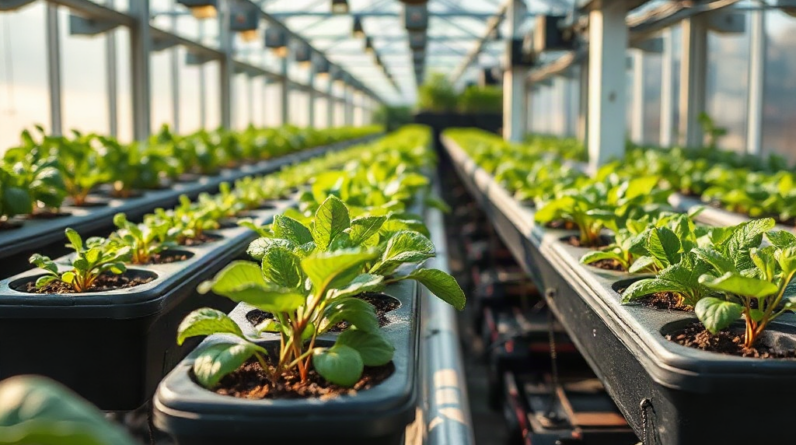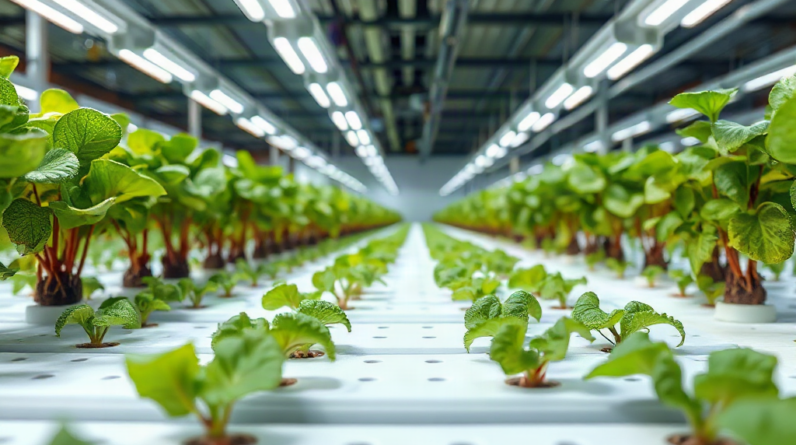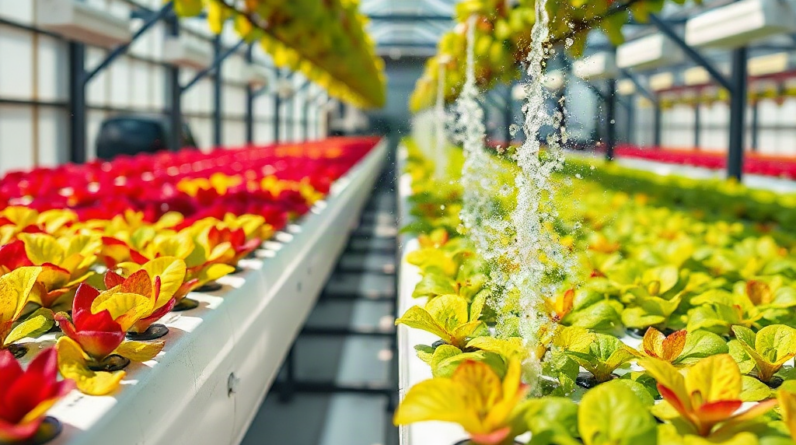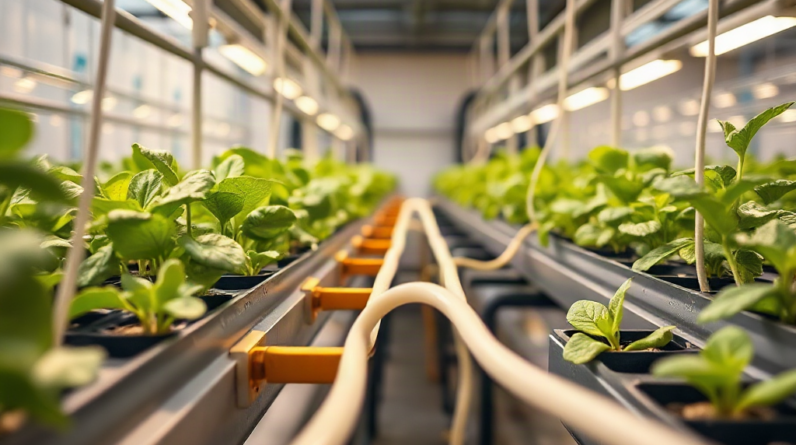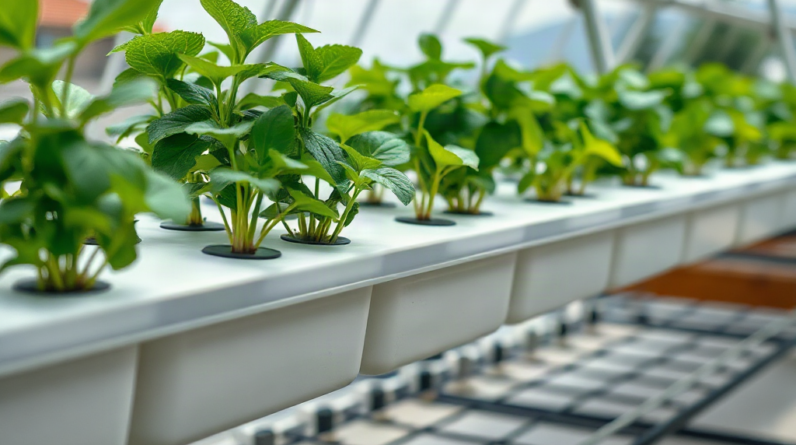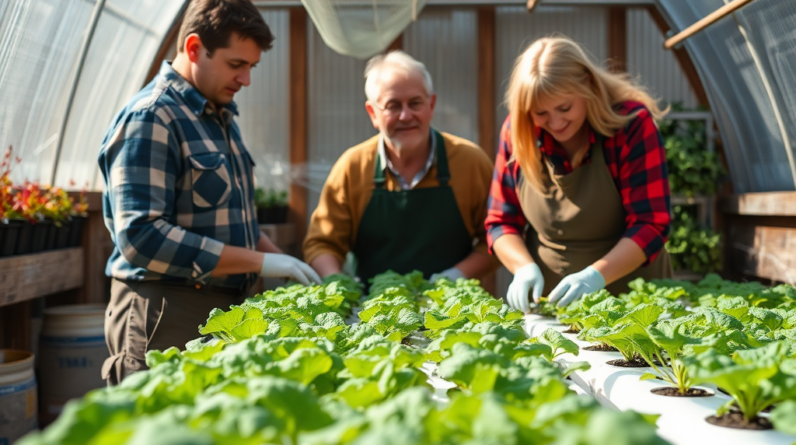
Adapting hydroponics to seasonal changes is crucial for optimizing plant health and productivity throughout the year. Changes in temperature, light intensity, and humidity can significantly impact growth rates and nutrient uptake. By proactively adjusting your hydroponic system to accommodate these seasonal variations, you can ensure that your plants thrive, regardless of the time of year.
First, consider the temperature fluctuations that occur with the changing seasons. Different plants have specific temperature ranges that are ideal for growth. In the winter, for instance, you may need to heat your growing area to maintain optimal temperatures. Conversely, during the summer months, it might be necessary to use cooling systems to prevent overheating, which can hinder plant development. Additionally, humidity levels can vary seasonally; therefore, monitoring and adjusting humidity with dehumidifiers or humidifiers can help maintain the right environment for your plants.
Adjusting Nutrient Solutions for Seasonal Changes
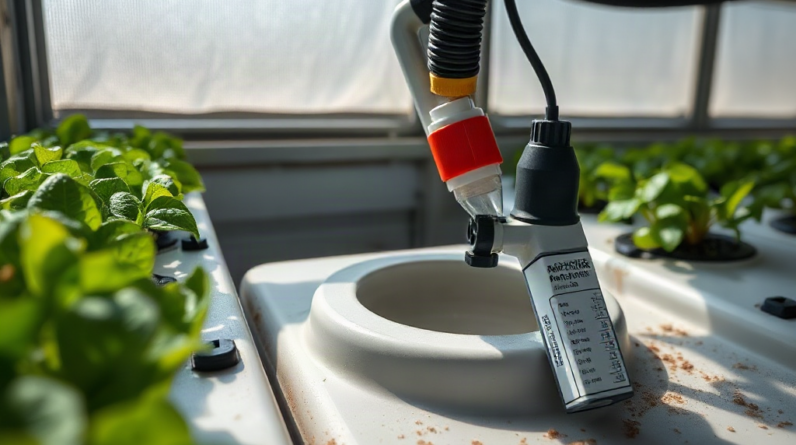
Nutrient solutions must be tailored to the seasonal needs of your plants. During the growing season, plants may require a higher concentration of nutrients to support rapid growth. In contrast, during colder months, their nutrient needs may decrease. Regularly testing the pH and electrical conductivity (EC) of your nutrient solution can help you make necessary adjustments.
Furthermore, consider the types of nutrients you are using. Some nutrients may become less available to plants at lower temperatures. Switching to a nutrient blend that is more easily absorbed in cooler conditions can enhance plant uptake and health. Remember that nutrient imbalances can lead to deficiencies or toxicities, so careful monitoring is essential.
Managing Light Exposure Through Seasons
Light is a critical factor in hydroponic gardening, and its availability changes with the seasons. During shorter winter days, you may need to supplement natural light with grow lights to ensure your plants receive adequate exposure. Opt for full-spectrum LED lights that mimic natural sunlight and provide the necessary wavelengths for photosynthesis.
In the summer, while natural light is abundant, be cautious of overheating. You might need to adjust the distance of grow lights or use shading techniques to prevent light stress. Regularly monitoring light intensity can help you maintain optimal conditions for plant growth.
Temperature Control Techniques
Maintaining a stable temperature is vital for hydroponic systems. During colder months, consider using heating mats or space heaters to maintain warmth. Insulating your growing area can also help retain heat. For summer, implement ventilation systems, such as exhaust fans, to regulate temperature and prevent overheating.
Additionally, using water chillers can help maintain nutrient solution temperatures within the ideal range. Fluctuations in water temperature can stress plants and interfere with nutrient uptake, so stability is key.
Monitoring and Maintenance Practices
Regular monitoring is essential to successfully adapting hydroponics to seasonal changes. Keep a close eye on your plants for signs of stress, such as wilting or yellowing leaves, which can indicate that conditions are not optimal. Use data loggers to track temperature, humidity, and nutrient levels over time, allowing you to make informed adjustments.
Implement a maintenance schedule that includes regular checks on equipment functionality, nutrient levels, and environmental conditions. Being proactive in your approach will help you anticipate issues before they become significant problems.
For those looking to deepen their understanding of hydroponic systems and seasonal adaptations, consider exploring official agricultural resources or specialized hydroponic publications. They often provide valuable insights into best practices and innovative techniques for year-round gardening.
Further Reading
Authoritative Sources
- USDA National Institute of Food and Agriculture
nifa.usda.govResearch and extension resources related to agriculture, plants, soil, and food systems
- Extension Foundation Gardening Resources
extension.orgUniversity extension education resources for practical gardening and home agriculture topics
- USDA Natural Resources Conservation Service
nrcs.usda.govSoil, water, conservation, and land management resources for practical growing decisions
Frequently Asked Questions
How often should I check my nutrient solution during seasonal changes?
It’s advisable to check your nutrient solution at least once a week during seasonal changes to ensure proper pH and EC levels.
What are the signs that my hydroponic plants are stressed due to temperature changes?
Signs of stress include wilting, leaf discoloration, slow growth, and poor fruit development.
Can I use regular LED lights for my hydroponic system?
While regular LED lights can be used, full-spectrum grow lights are recommended as they provide the necessary wavelengths for optimal plant growth.
What temperature range is ideal for hydroponic plants?
Most hydroponic plants thrive between 65°F to 75°F (18°C to 24°C), but specific requirements can vary by species.
How can I manage humidity levels in my hydroponic system?
Use dehumidifiers or humidifiers to maintain appropriate humidity levels, ideally between 40% to 70% depending on the plants being grown.
Conclusion
Adapting your hydroponics system to seasonal changes involves a multifaceted approach that includes adjusting nutrient solutions, managing light exposure, and maintaining temperature stability. By closely monitoring conditions and making timely adjustments, you can optimize plant health and yield throughout the year. Regular maintenance and vigilance against stress signs will further enhance your success in hydroponic gardening.