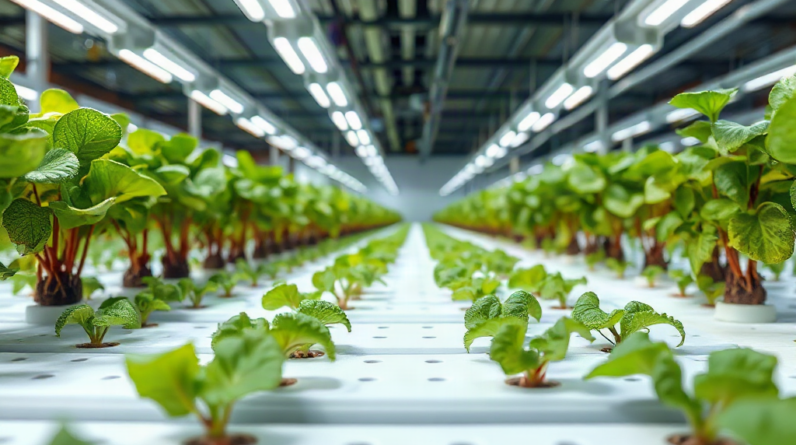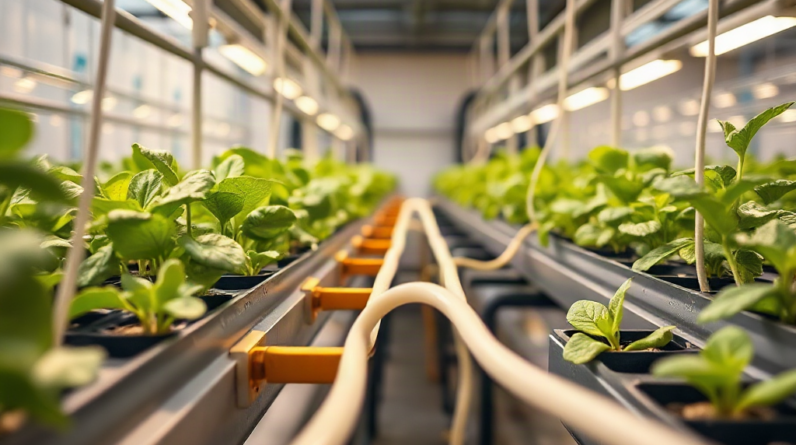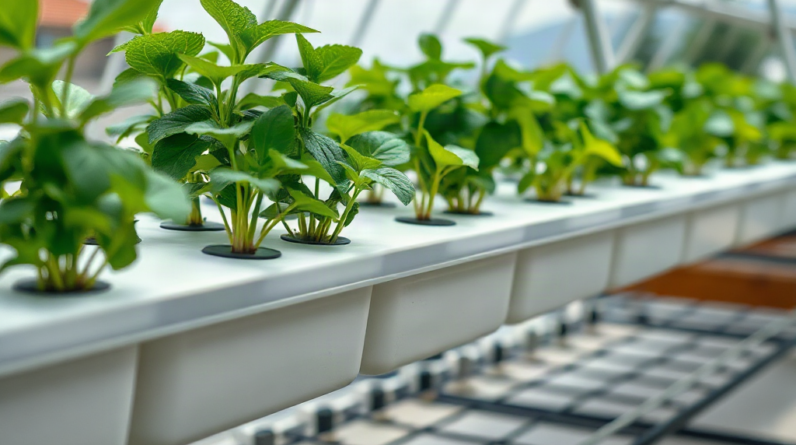

Optimizing the nutrient solution for hydroponics is essential for ensuring healthy plant growth and maximizing yields. A well-balanced nutrient solution contains the right ratios of essential macro and micronutrients, which are critical for plant development. Key elements include nitrogen (N), phosphorus (P), potassium (K), calcium, magnesium, and trace minerals like iron and manganese. Understanding the specific nutritional needs of your plants and maintaining proper pH and electrical conductivity (EC) levels is vital for success.
One common mistake in hydroponic gardening is the failure to monitor nutrient concentrations accurately. Over-fertilization can lead to nutrient toxicity, while under-fertilization can cause deficiencies. Regular testing of your nutrient solution’s EC will help you maintain the right nutrient levels. Additionally, adjusting the pH to a range of 5.5 to 6.5 ensures optimal nutrient uptake. This balance will prevent issues such as nutrient lockout, where plants cannot absorb the nutrients they need.
Understanding Nutrient Ratios
To create a balanced nutrient solution, it’s crucial to understand the ratios of essential nutrients. The N-P-K ratio, which stands for nitrogen, phosphorus, and potassium, is often highlighted on fertilizer packages. For example, a ratio of 3-1-2 indicates a higher concentration of nitrogen, which is essential for vegetative growth. Adjusting these ratios based on the growth stage of your plants—higher nitrogen in the vegetative stage and more phosphorus and potassium during flowering—is vital for optimal results.
Furthermore, micronutrients like iron, manganese, and zinc play a significant role in plant health, even in minute quantities. It’s essential to provide a complete nutrient solution that includes both macro and micronutrients tailored to the specific plant species you are cultivating. A common pitfall is neglecting these micronutrients, which can lead to stunted growth and poor yields.
Measuring and Adjusting pH Levels
Maintaining the correct pH level is critical in hydroponics, as it affects nutrient availability and plant health. The optimal pH range for most hydroponic plants is between 5.5 and 6.5. If the pH is too low (acidic) or too high (alkaline), certain nutrients become unavailable, leading to deficiencies.
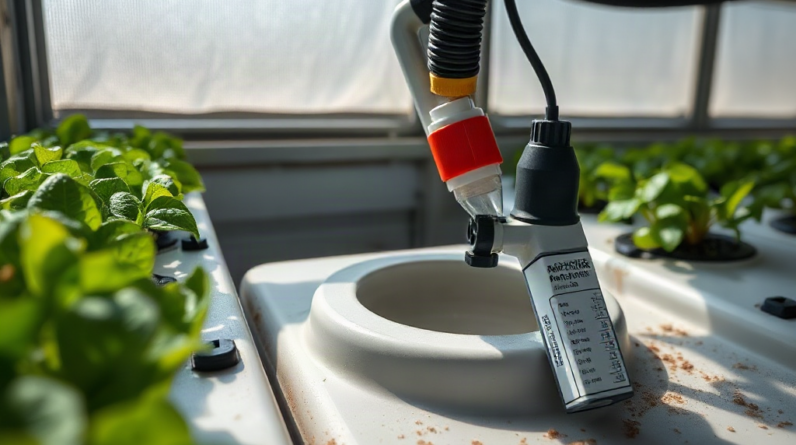
To adjust pH levels, use pH up or pH down solutions. Regular testing with a pH meter or pH test strips is necessary to ensure the solution remains within the desired range. Remember, fluctuations can occur due to nutrient uptake by plants, so frequent monitoring is key.
Monitoring Electrical Conductivity (EC)
Electrical conductivity (EC) measures the nutrient concentration in your solution. It’s essential for determining whether your plants are receiving the right amount of nutrients. An ideal EC range for most hydroponic crops is between 1.5 and 2.5 mS/cm, but this can vary based on the plant species and growth stage.
To monitor EC, use a reliable EC meter. If readings are too high, consider diluting the solution with water; if too low, add more nutrients. This balance is crucial for preventing nutrient deficiencies or toxicities that can harm plant growth.
Common Nutrient Deficiencies
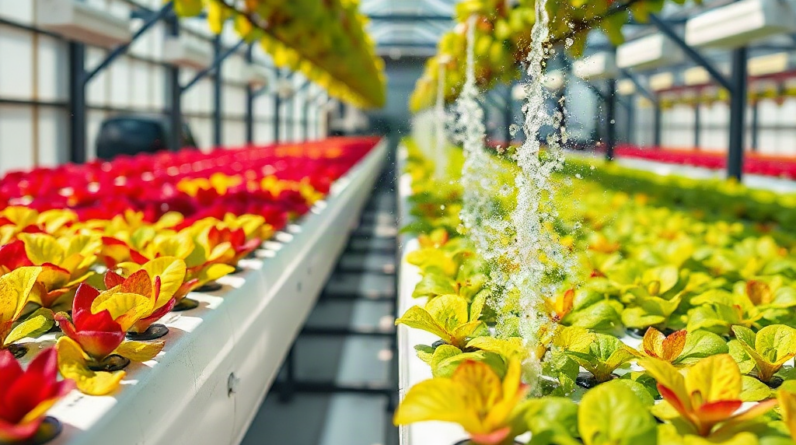
Identifying and addressing nutrient deficiencies is crucial for maintaining plant health. Common symptoms include yellowing leaves, stunted growth, and poor fruit development. For instance, nitrogen deficiency often presents as yellowing of older leaves, while potassium deficiency can cause browning at the leaf edges.
Regularly inspecting your plants can help catch these issues early. If deficiencies are noted, adjust your nutrient solution accordingly, ensuring it contains the necessary elements in adequate amounts.
Further Reading
For deeper insights into hydroponic nutrient management, consider the following resources:
Authoritative Sources
- Hydroponic Gardening Basics
hydroponics.comThis resource offers comprehensive information about hydroponic systems and nutrient management
- Nutrient Solutions for Hydroponics
gardeningknowhow.comA detailed guide on how to create balanced nutrient solutions for various hydroponic plants
Frequently Asked Questions
What nutrients are essential for hydroponics?
Essential nutrients include nitrogen, phosphorus, potassium, calcium, magnesium, and trace minerals like iron and manganese.
How often should I change my nutrient solution?
It’s recommended to change the nutrient solution every 1-2 weeks, depending on plant growth and nutrient uptake.
What is the ideal pH for hydroponics?
The ideal pH range for hydroponics is between 5.5 and 6.5 for optimal nutrient uptake.
How can I tell if my plants are nutrient deficient?
Signs of nutrient deficiency include yellowing leaves, stunted growth, and poor fruit development.
What is electrical conductivity (EC) in hydroponics?
EC measures the nutrient concentration in your solution, helping you determine if your plants receive adequate nutrients.
Conclusion
In conclusion, optimizing your nutrient solution for hydroponics requires a careful balance of essential nutrients, regular monitoring of pH and EC levels, and an understanding of the specific needs of your plants. Prioritize testing and adjusting your solution to prevent deficiencies and ensure healthy growth. By maintaining the right nutrient levels, you can maximize your yields and enjoy a thriving hydroponic garden.