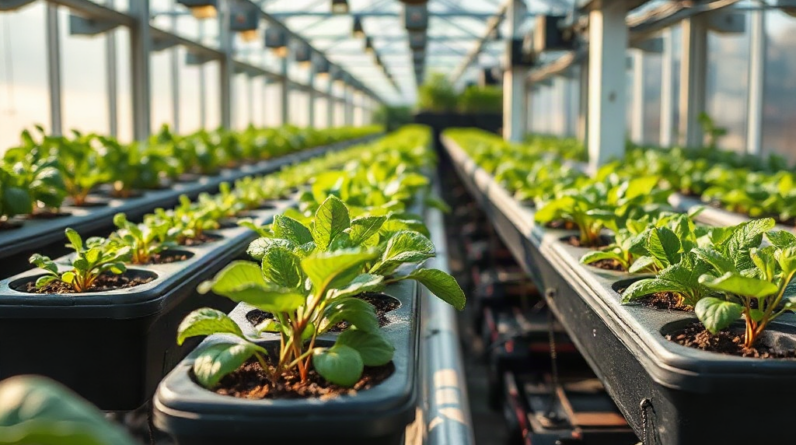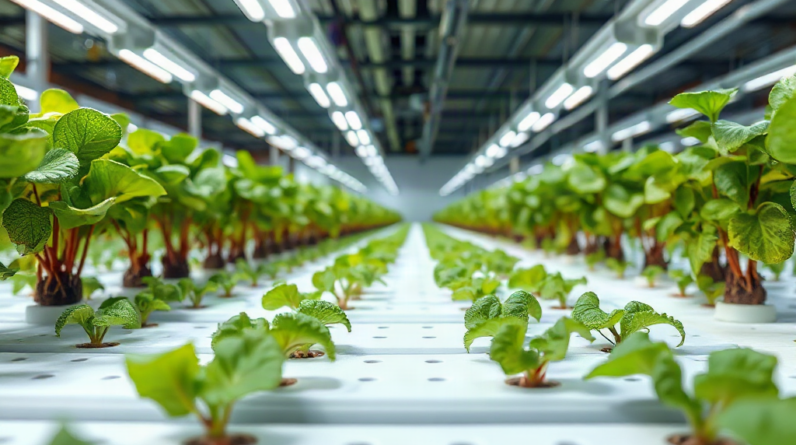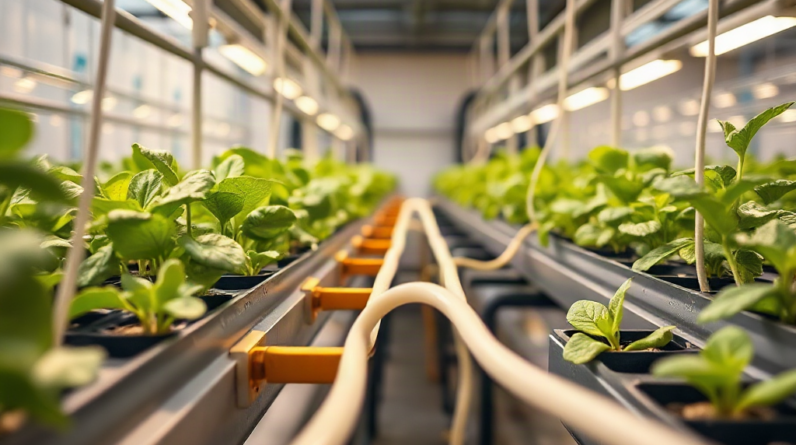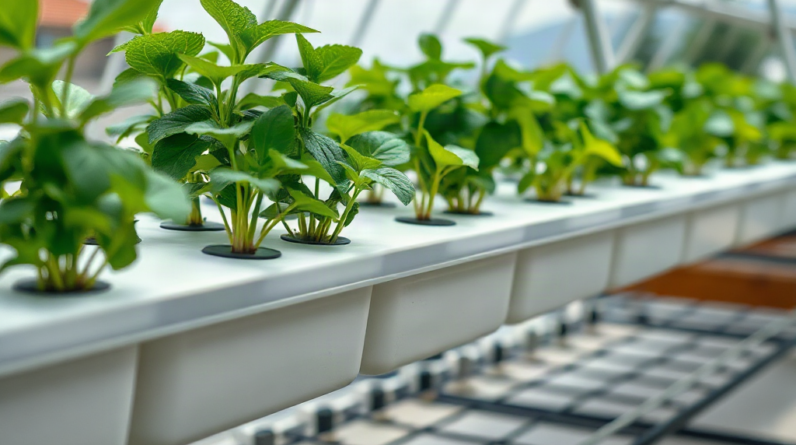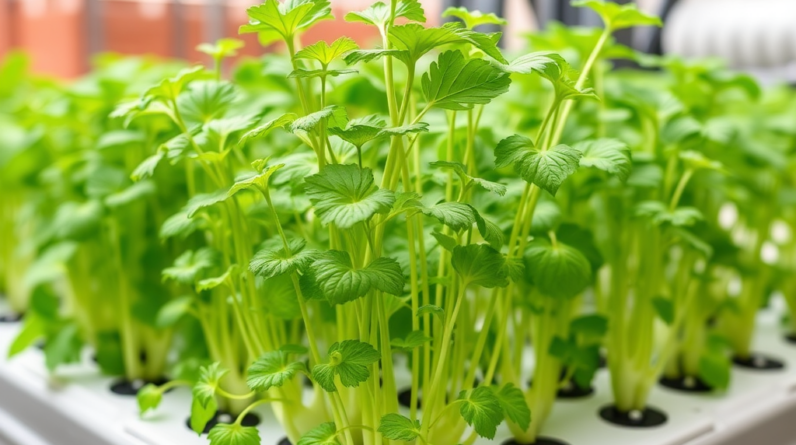

Leggy hydroponic herbs result from inadequate light, causing the plants to stretch and elongate as they reach for a light source. This phenomenon often occurs when herbs do not receive enough light intensity or duration, leading to weak, spindly growth. Additionally, nutrient deficiencies and improper humidity can exacerbate the problem, making it crucial for growers to be aware of these factors.
Ensuring that hydroponic herbs thrive involves more than just providing water and nutrients; it also necessitates understanding the specific environmental conditions that promote healthy growth. For instance, light is one of the most critical components in plant development. Without sufficient light, plants may become leggy as they compete for energy, leading to undesirable growth patterns. Furthermore, a lack of essential nutrients can stunt growth and contribute to leggy plants.
Understanding the Role of Light
Light is fundamental to photosynthesis, the process by which plants convert light energy into chemical energy. In hydroponic systems, the type and intensity of light can significantly influence plant growth. Insufficient light can lead to elongated stems and sparse foliage, as plants expend energy in search of light.
To prevent legginess, ensure your hydroponic herbs receive appropriate lighting. Full-spectrum LED grow lights are ideal, as they provide the necessary wavelengths for optimal growth. Position lights 12-24 inches above the plants and maintain a light schedule of 12-16 hours daily to mimic natural sunlight. Regularly monitor light intensity and adjust accordingly based on plant response.
Nutrient Management for Healthy Herbs
Inadequate nutrient levels can also contribute to leggy growth in hydroponic herbs. Essential nutrients, including nitrogen, phosphorus, and potassium, play vital roles in plant health. A nutrient imbalance can lead to poor development and increased susceptibility to stress.
Regularly test and adjust your nutrient solution to ensure your herbs receive the right balance of macro and micronutrients. Consider using a comprehensive hydroponic nutrient solution that includes all essential elements. Additionally, monitor the pH levels of your nutrient solution, as improper pH can hinder nutrient absorption, further exacerbating legginess.
Humidity and Its Impact on Growth
Humidity levels can significantly affect plant growth and development. In hydroponic setups, maintaining optimal humidity is essential for preventing leggy growth. High humidity can lead to mold and mildew, while low humidity can cause plants to lose moisture rapidly, resulting in stress and elongated growth.
To maintain proper humidity levels, aim for a range of 40-60%. Use a hygrometer to monitor humidity and consider using a humidifier or dehumidifier as needed. Additionally, ensure adequate air circulation to prevent stagnant air, which can contribute to humidity issues.
Practical Steps to Prevent Legginess
Implementing practical strategies can help prevent leggy growth in hydroponic herbs. First, regularly assess your lighting conditions and adjust as necessary to ensure adequate exposure. Second, monitor nutrient levels and adjust your feeding schedule based on plant growth stages. Lastly, maintain optimal humidity levels and ensure good air circulation within your growing environment.
By taking these proactive measures, you can support the healthy growth of your hydroponic herbs and minimize the risk of legginess. Regularly evaluate your growing conditions and make adjustments as needed to foster robust, bushy plants.
Further Reading
Authoritative Sources
- USDA National Institute of Food and Agriculture
nifa.usda.govResearch and extension resources related to agriculture, plants, soil, and food systems
- Extension Foundation Gardening Resources
extension.orgUniversity extension education resources for practical gardening and home agriculture topics
- USDA Natural Resources Conservation Service
nrcs.usda.govSoil, water, conservation, and land management resources for practical growing decisions
Frequently Asked Questions
What causes legginess in hydroponic herbs?
Legginess in hydroponic herbs is primarily caused by insufficient light, leading to elongated stems as plants stretch toward their light source.
How can I prevent my herbs from becoming leggy?
To prevent legginess, ensure your herbs receive adequate light, maintain proper nutrient levels, and control humidity within the optimal range.
What type of light is best for hydroponic herbs?
Full-spectrum LED grow lights are ideal for hydroponic herbs, as they provide the necessary wavelengths for optimal growth.
How often should I check my nutrient solution?
Regularly check your nutrient solution at least once a week to ensure proper levels of essential nutrients and adjust as needed.
What humidity level is best for hydroponic herbs?
The optimal humidity level for hydroponic herbs is between 40-60%, which helps prevent stress and promotes healthy growth.
Conclusion
Addressing leggy growth in hydroponic herbs requires a multifaceted approach focused on light, nutrients, and humidity. By ensuring your plants receive adequate light, maintaining balanced nutrient levels, and controlling humidity, you can foster robust growth and prevent legginess. Regular monitoring and adjustments are key to creating an environment where your hydroponic herbs can thrive, leading to healthier plants and a more successful gardening experience.