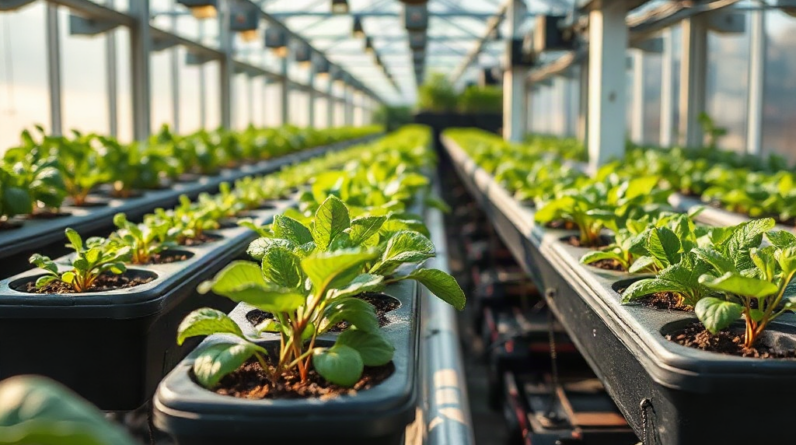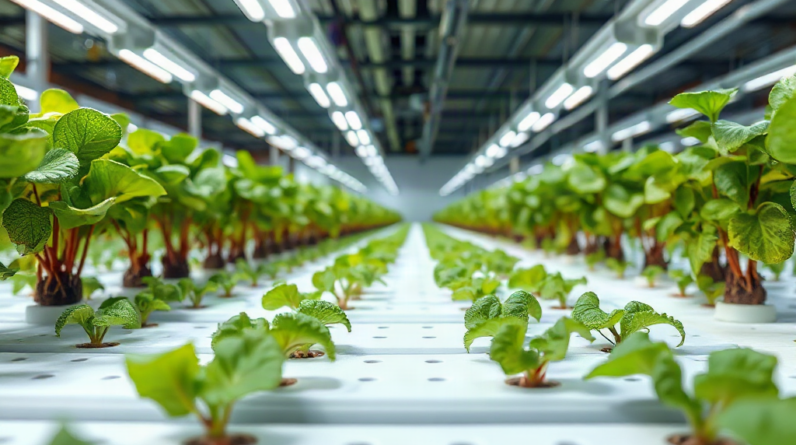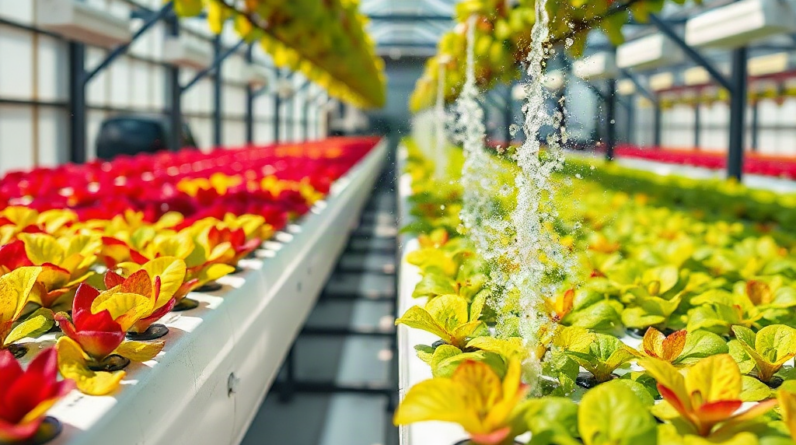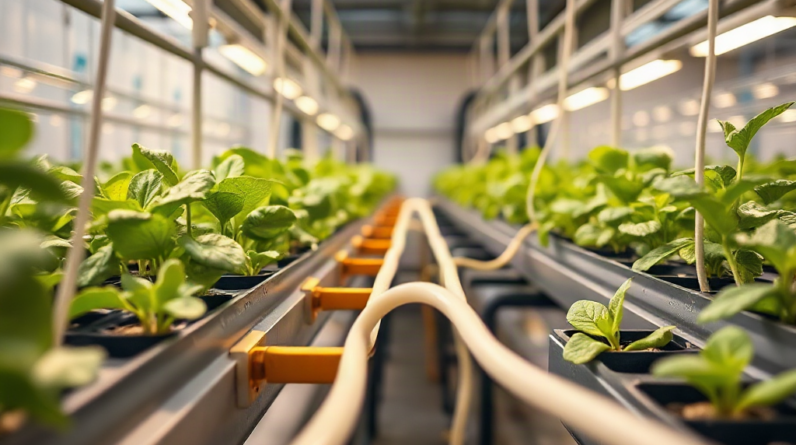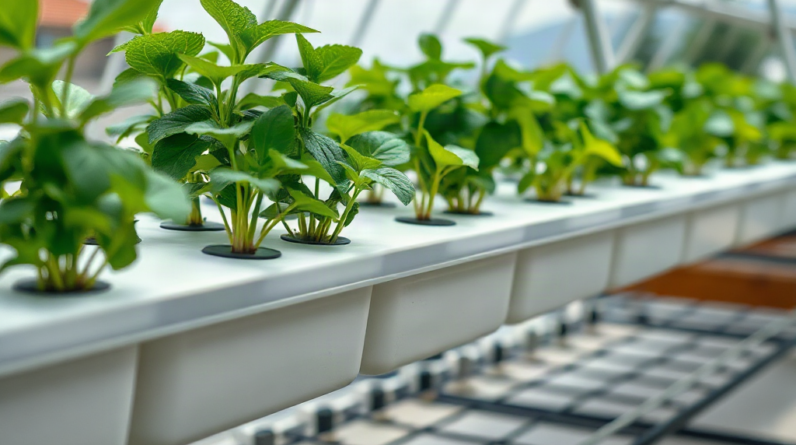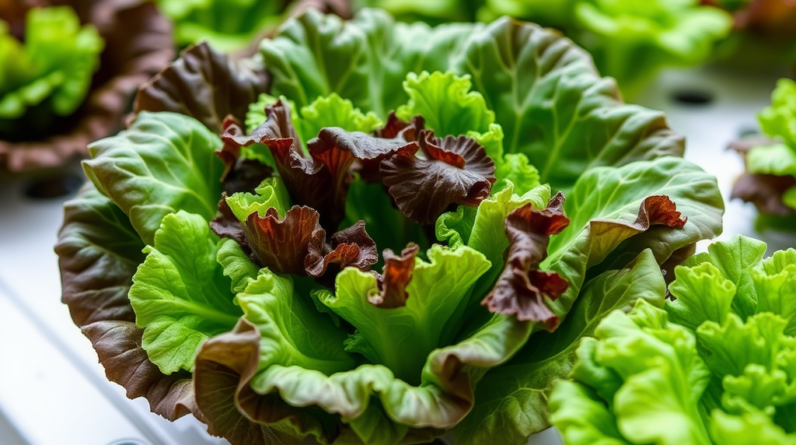
This can lead to nutrient burn or deficiencies that stress the plants, encouraging them to produce bitter compounds. Additionally, if your lettuce is exposed to too much light or extreme temperatures, it may also react by becoming bitter. Maintaining a consistent environment is key to preventing this.
Understanding Nutrient Balance
A well-balanced nutrient solution is critical for hydroponic lettuce. An imbalance, particularly an excess of nitrogen, can lead to rapid growth and increased bitterness. Lettuce thrives on a nutrient mix that includes adequate levels of potassium and calcium, which help promote sweet flavors.
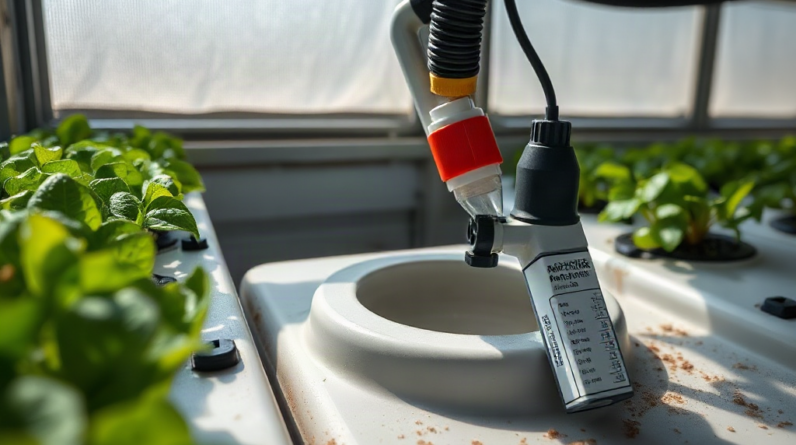
To ensure your lettuce remains sweet, regularly test your nutrient solution and adjust accordingly. Keeping the nutrient solution within the recommended pH range (5.5 to 6.5) is also essential, as it affects nutrient availability and plant health.
Impact of Light and Temperature
Light and temperature play significant roles in the flavor profile of hydroponic lettuce. Excessive light can cause plants to stress and produce bitter compounds. Ideally, lettuce requires about 12 to 16 hours of light per day, with a light intensity that is not too harsh.
Temperature is equally important; lettuce prefers cooler conditions, ideally between 60°F to 70°F (15°C to 21°C). When temperatures exceed this range, especially above 75°F (24°C), plants can become stressed, resulting in bitter flavors. Monitoring and adjusting your grow room environment can help maintain optimal conditions.
Environmental Stress and Plant Health
Environmental stressors such as rapid changes in humidity, temperature fluctuations, and inconsistent watering can lead to bitterness in hydroponic lettuce. These stresses prompt the plant to produce defensive compounds, leading to a bitter taste.
To minimize stress, maintain a stable environment by using environmental controls where possible. Regularly check humidity levels and ensure consistent watering to keep your lettuce healthy and flavorful.
Further Reading
Authoritative Sources
- USDA National Institute of Food and Agriculture
nifa.usda.govResearch and extension resources related to agriculture, plants, soil, and food systems
- Extension Foundation Gardening Resources
extension.orgUniversity extension education resources for practical gardening and home agriculture topics
- USDA Natural Resources Conservation Service
nrcs.usda.govSoil, water, conservation, and land management resources for practical growing decisions
Frequently Asked Questions
What causes bitterness in hydroponic lettuce?
Bitterness is primarily caused by nutrient imbalances, excessive light, and high temperatures that lead to stress in the plants.
How can I reduce bitterness in my lettuce?
To reduce bitterness, ensure balanced nutrient levels, moderate light exposure, and maintain optimal temperature conditions.
Is it normal for hydroponic lettuce to taste bitter?
No, hydroponic lettuce should have a mild, sweet flavor. Bitterness indicates underlying stress or environmental issues.
Can over-watering cause bitterness in lettuce?
Yes, over-watering can lead to root stress and nutrient uptake issues, which may contribute to bitterness.
What temperature is best for growing sweet lettuce?
The ideal temperature for growing sweet hydroponic lettuce is between 60°F to 70°F (15°C to 21°C).
Conclusion
In summary, the bitterness of hydroponic lettuce can be attributed to several factors, including nutrient imbalances, excessive light, and environmental stressors. To cultivate flavorful lettuce, focus on maintaining balanced nutrients, controlling light and temperature, and minimizing stress. By addressing these key areas, you can enjoy sweet and healthy hydroponic lettuce.