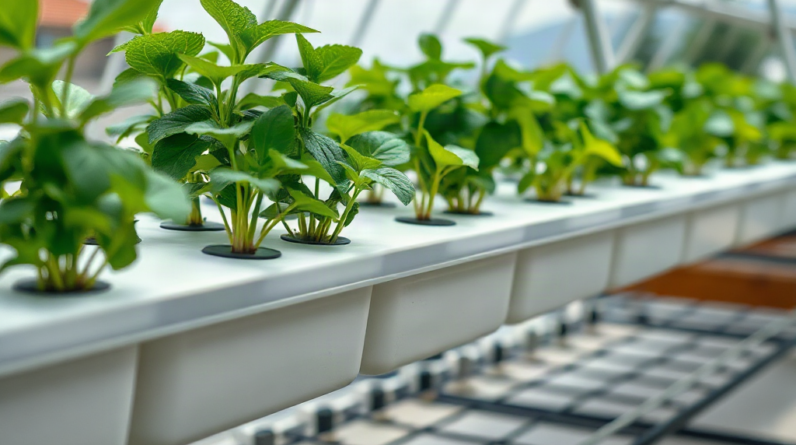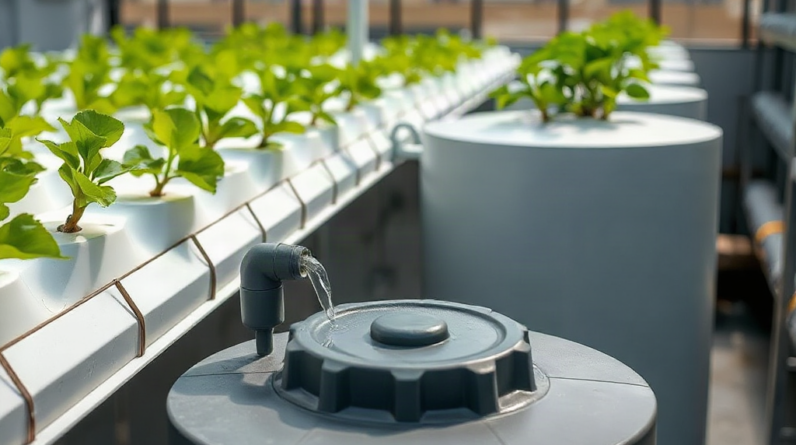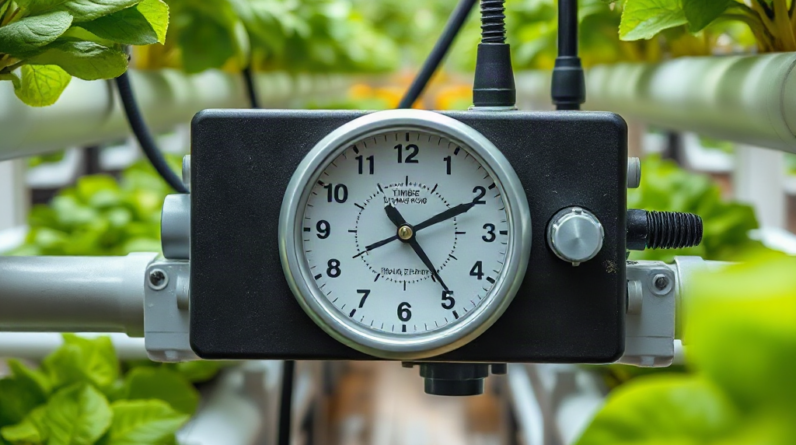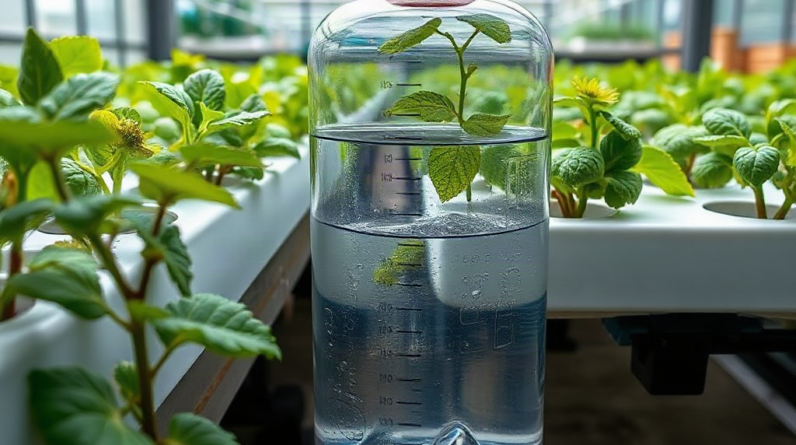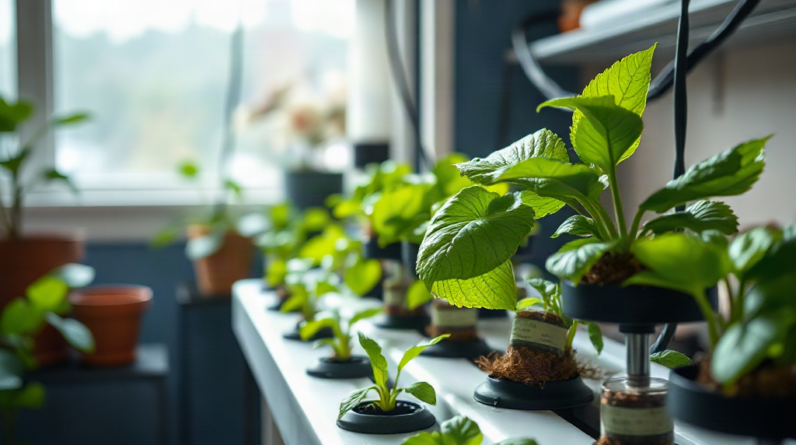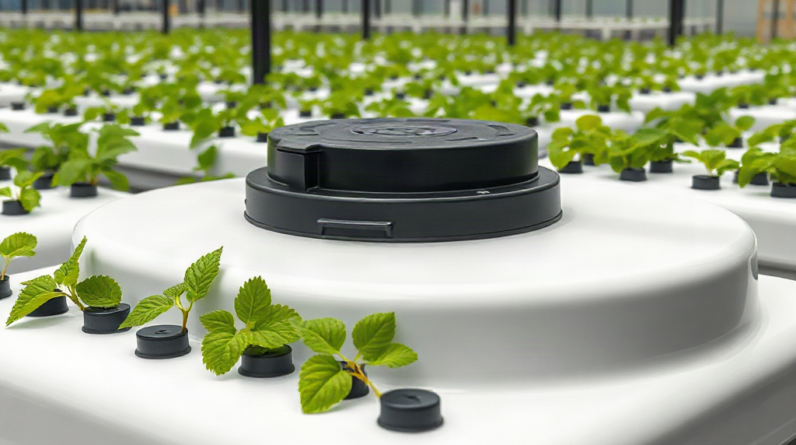
Dutch bucket hydroponics is an innovative gardening system that maximizes space and resource efficiency, allowing plants to thrive with minimal environmental impact. This method utilizes individual buckets filled with a growing medium, typically perlite or coconut coir, through which a nutrient-rich water solution is circulated. The design not only supports robust root growth but also significantly reduces water usage compared to traditional soil gardening, making it a sustainable choice for both novice and experienced gardeners.
However, embarking on a Dutch bucket hydroponics journey requires careful consideration of various factors that can influence your success. Common pitfalls include inadequate nutrient management, improper pH levels, and insufficient light exposure. Many gardeners assume that once the system is set up, it will require little ongoing attention, but in reality, maintaining optimal conditions is crucial. Understanding these nuances can mean the difference between a bountiful harvest and a disappointing yield.
Moreover, the initial investment in equipment and materials can vary widely, depending on the scale of your setup and the specific plants you wish to grow. For smaller home gardens, a DIY approach may be cost-effective, while larger operations may benefit from professionally manufactured systems. Prioritizing your goals—whether maximizing yield, minimizing labor, or achieving sustainability—will inform your choices and help you navigate the complexities of this rewarding gardening method.
Understanding the Dutch Bucket System
At its core, the Dutch bucket system is designed to provide an efficient way to grow plants hydroponically, especially larger fruiting crops like tomatoes, peppers, and cucumbers. The buckets are connected to a central reservoir that supplies water and nutrients, allowing for easy management of plant needs. This method is particularly advantageous because it offers the flexibility to grow a variety of plants in a compact space.
What matters most is the design and arrangement of your system. Proper spacing between buckets is essential to ensure adequate airflow and light penetration, which are critical for plant health. Additionally, the choice of growing medium can affect root development and nutrient uptake. Misjudging these aspects can lead to poor plant performance or increased susceptibility to diseases. Prioritize a layout that provides easy access for maintenance while maximizing sunlight exposure and airflow.
Setting Up Your Dutch Bucket Hydroponics
The setup process for Dutch bucket hydroponics involves several key components: buckets, a reservoir, a water pump, and a drainage system. Each bucket should have a drain at the bottom that allows excess nutrient solution to flow back into the reservoir, promoting recirculation. This design not only conserves water but also ensures that plants receive a consistent supply of nutrients.
When establishing your system, consider the scale of your operation. For a small setup, you might use plastic buckets from a local hardware store, while larger systems could benefit from specialized hydroponic containers. It’s also crucial to ensure that your water pump is adequately sized for the number of buckets you have. Overlooking pump capacity can lead to uneven nutrient distribution, resulting in unhealthy plants. If you’re new to hydroponics, starting small and gradually expanding can help you learn and adapt without becoming overwhelmed.
Nutrient Management and Water Quality
Effective nutrient management is vital for the success of your Dutch bucket hydroponics system. The nutrient solution you use should be balanced and tailored to the specific needs of the plants you’re growing. This requires regular monitoring of nutrient levels, pH, and electrical conductivity (EC) to ensure optimal conditions. Water quality is equally important; contaminants can disrupt nutrient absorption and harm plant health.
Common mistakes include using tap water without testing its quality or neglecting to adjust the pH. Many gardeners assume that any nutrient solution will suffice, but each plant has unique requirements that must be met for optimal growth. It’s advisable to start with a well-regarded hydroponic nutrient mix and adjust based on your plants’ responses. Regularly testing and adjusting your solution will enhance growth rates and yield quality, making this a priority in your maintenance routine.
Common Mistakes to Avoid
Even experienced gardeners can fall victim to common pitfalls in Dutch bucket hydroponics. Overwatering is one such issue; while the system is designed for efficient water use, it’s easy to assume that more water equals better growth. In reality, excessive moisture can lead to root rot and other diseases. Another frequent mistake is ignoring the importance of light. Plants in hydroponic systems often require more light than those grown in soil; ensure that your setup provides sufficient intensity and duration of light exposure.
Understanding how to balance these factors is critical. For instance, if you find your plants are stretching towards light sources, it may indicate insufficient light. Additionally, don’t overlook the need for routine cleaning of your system to prevent algae growth and nutrient blockages. Recognizing these potential issues early can save time and resources, ultimately leading to a more productive growing experience.
Further Reading
Authoritative Sources
- Hydroponics: A Beginner's Guide
hydroponics.comThis resource provides comprehensive guidance on hydroponic systems, including Dutch bucket setups
- Hydroponic Gardening
gardeningknowhow.comA detailed guide on various hydroponic gardening methods and tips for success
- Maximize Your Hydroponic Yield
maximumyield.comAn informative article on optimizing yield in hydroponic systems, focusing on nutrient management
Frequently Asked Questions
What types of plants grow best in Dutch bucket hydroponics?
Fruiting plants such as tomatoes, cucumbers, and peppers thrive in Dutch bucket systems due to their extensive root systems and nutrient needs.
How often should I change the nutrient solution?
It’s typically recommended to change the nutrient solution every 1-2 weeks, depending on plant growth and nutrient uptake.
Can I use tap water for my hydroponics system?
While tap water can be used, it’s essential to test for contaminants and pH level before adding it to your system.
What growing medium is best for Dutch bucket hydroponics?
Common growing mediums include perlite, coconut coir, and rock wool, each offering unique benefits in terms of drainage and aeration.
Is Dutch bucket hydroponics suitable for beginners?
Yes, Dutch bucket hydroponics can be suitable for beginners, especially with careful planning and a willingness to learn about nutrient management and plant needs.
Conclusion
In summary, Dutch bucket hydroponics offers a sustainable and efficient way to grow a variety of plants, but success hinges on understanding the intricacies of the system. Prioritize your setup, nutrient management, and common pitfalls to ensure thriving plants and a fruitful harvest. Start small, monitor conditions closely, and gradually expand your system as you gain confidence and expertise. With the right approach, you can revolutionize your gardening experience and enjoy the benefits of hydroponic growth.