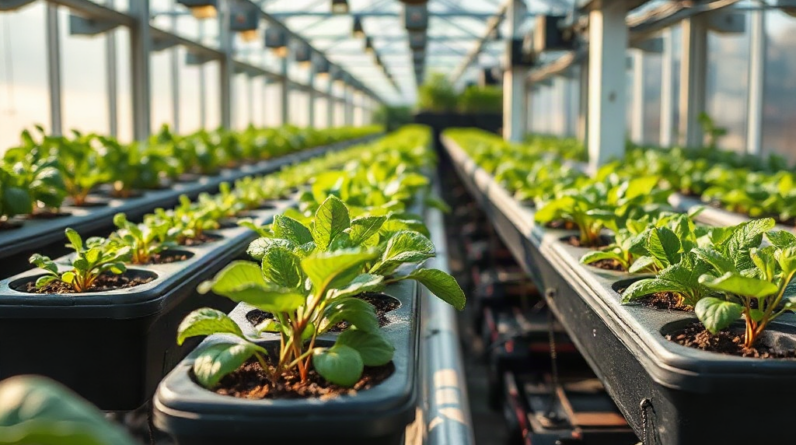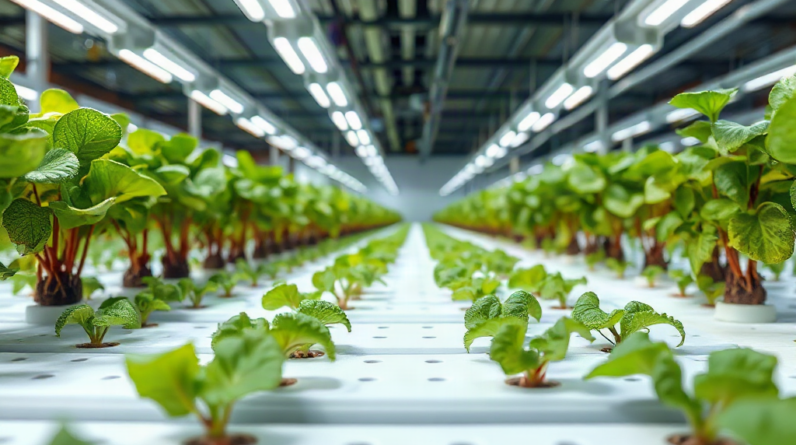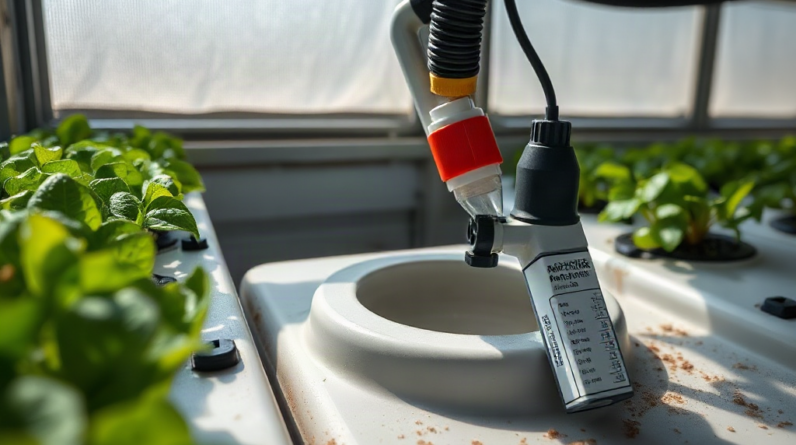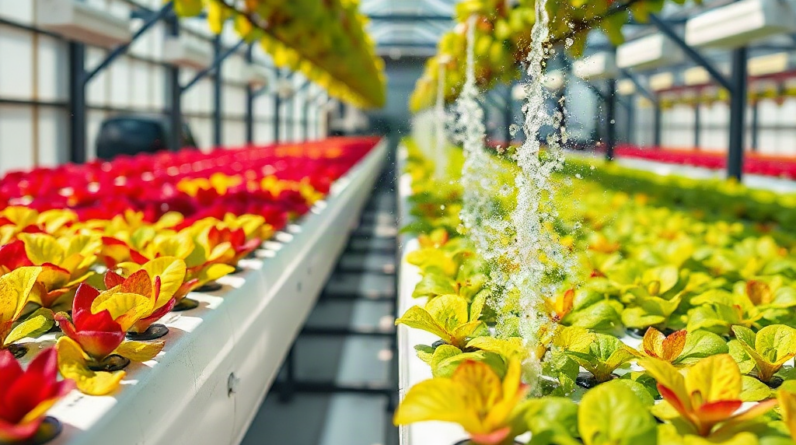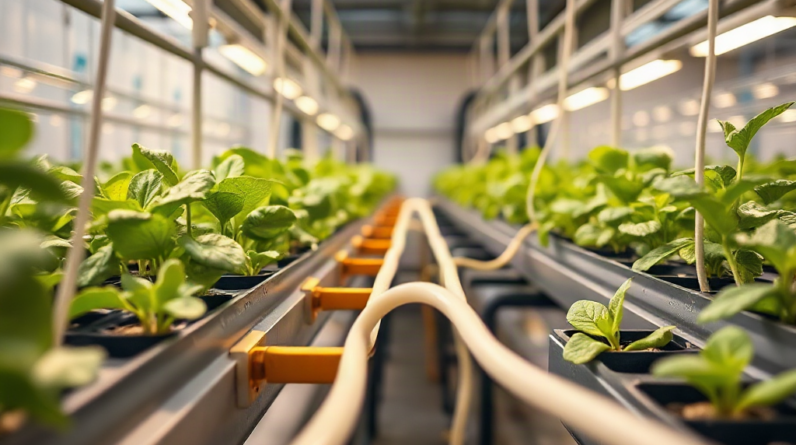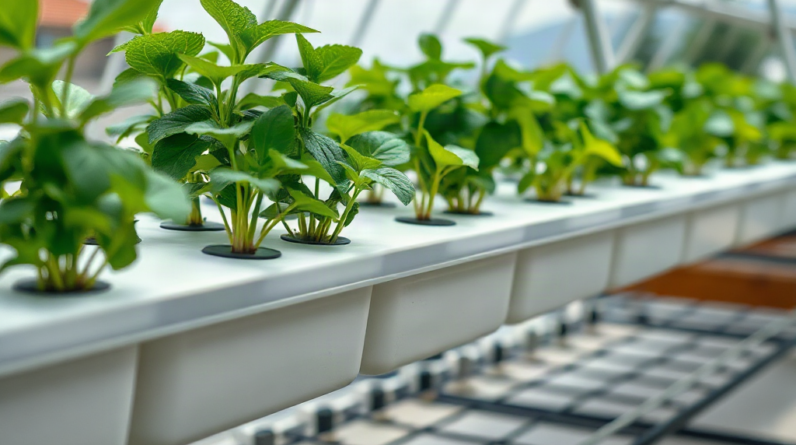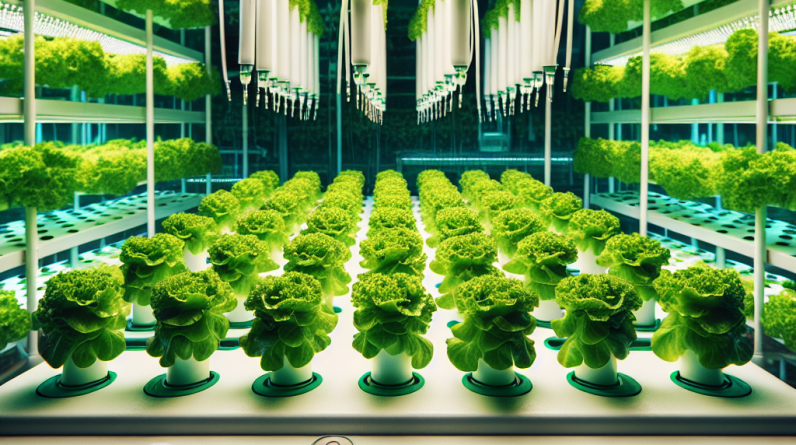
To avoid pest infestations in hydroponics, maintain strict sanitation protocols and regularly inspect your plants for early signs of trouble. Cleaning equipment and removing decaying organic matter are essential steps to prevent pests from establishing themselves. Additionally, controlling environmental factors such as humidity and temperature can deter pests like aphids and spider mites. Consider introducing beneficial insects or using organic pesticides as part of your integrated pest management strategy. By being proactive and vigilant, you can protect your hydroponic crops and ensure a healthy yield.
Understanding Pest Infestations in Hydroponics
Pest infestations in hydroponic systems can severely impact plant health and crop yield. Common pests include aphids, spider mites, and whiteflies, which thrive in the nutrient-rich environments that hydroponics provide. Understanding how these pests infiltrate your system is crucial. They can be introduced through contaminated seeds, soil, or even via air currents. Once established, they reproduce quickly, leading to significant damage if not addressed promptly.
Recognizing the signs of infestation early can prevent a small problem from becoming a larger issue. For instance, yellowing leaves or visible webs are often indicators of pest activity. Thus, awareness and education about pest behaviors and life cycles are foundational to effective management.
Sanitation Practices to Prevent Pests
Implementing stringent sanitation practices is the first line of defense against pest infestations. This includes regularly cleaning and sterilizing all equipment, containers, and surfaces within the hydroponic system. It is essential to remove any dead plant material, as decaying organic matter can attract pests.
Additionally, maintaining cleanliness in the surrounding environment is vital. Ensure that the area around the hydroponic setup is free from weeds and debris, which can harbor pests. Regularly inspecting and cleaning tools and equipment before use can further reduce the risk of introducing pests into your hydroponic system.
Environmental Control for Pest Management
Controlling the environmental conditions within your hydroponic system can significantly reduce the likelihood of pest infestations. Pests often thrive in specific temperature and humidity ranges, so monitoring these factors is crucial. Aim to maintain optimal growing conditions that are less favorable for pests.
For example, ensuring proper ventilation helps manage humidity levels, reducing the likelihood of mold and pest proliferation. Additionally, using grow lights that emit specific spectrums can deter certain pests while promoting plant growth. Implementing air circulation fans can also help distribute temperature evenly and avoid hot spots where pests may congregate.
Monitoring and Early Detection
Regular monitoring of your plants is essential for early detection of pest infestations. This involves visually inspecting plants for any signs of pests or damage, such as discolored leaves or unusual growth patterns. Traps, such as sticky traps, can be effective in capturing flying pests and providing an early warning system.
In addition, setting a schedule for routine inspections can help ensure that potential problems are identified before they escalate. Keeping records of pest sightings and treatment effectiveness can also aid in developing a more effective pest management strategy over time.
Using Biological and Chemical Controls
When pests are detected, it may be necessary to employ biological or chemical controls. Biological control involves introducing beneficial insects, such as ladybugs or predatory mites, which can help keep pest populations in check. This method is environmentally friendly and can be very effective if implemented correctly.
If chemical treatments are necessary, opt for organic pesticides that are safe for hydroponic systems. Always follow application guidelines to minimize any negative impact on the plants and the environment. Combining these methods with preventative measures can create a comprehensive pest management plan that protects your crops.
Frequently Asked Questions
What are the most common pests in hydroponics?
The most common pests in hydroponics include aphids, spider mites, whiteflies, and thrips. Each of these pests can cause significant damage to plants if not managed promptly.
How can I prevent pest infestations in my hydroponic system?
Preventing pest infestations involves maintaining strict sanitation, monitoring environmental conditions, and regularly inspecting plants for early signs of pests.
Are organic pesticides safe for hydroponics?
Yes, many organic pesticides are safe for use in hydroponic systems, but it's essential to follow application guidelines to ensure plant safety and effectiveness.
How often should I inspect my plants for pests?
Plants should be inspected at least once a week for signs of pests or damage to catch any infestations early.
What are biological controls for pest management?
Biological controls involve introducing beneficial insects, such as ladybugs or predatory mites, that prey on harmful pests, thus helping to manage pest populations naturally.
Further Reading
Authoritative Sources
- Managing Pests in Hydroponic Systems
extension.purdue.eduPurdue.eduThis resource provides a detailed overview of pest management strategies tailored specifically for hydroponic systems
- Organic Pest Control for Hydroponics
attra.ncat.orgNcat.orgOffers insights into organic methods for controlling pests in hydroponic systems, emphasizing sustainable practices
- Pest Management in Hydroponics
hort.purdue.eduA comprehensive guide on identifying and managing pests in hydroponic environments
Conclusion
Effectively avoiding pest infestations in hydroponics requires a multi-faceted approach that includes sanitation, environmental control, and regular monitoring. By understanding the common pests that threaten your crops and implementing preventative measures, you can protect your hydroponic system and ensure healthy plant growth. Staying vigilant and proactive will not only minimize pest damage but also enhance the overall productivity of your growing environment.