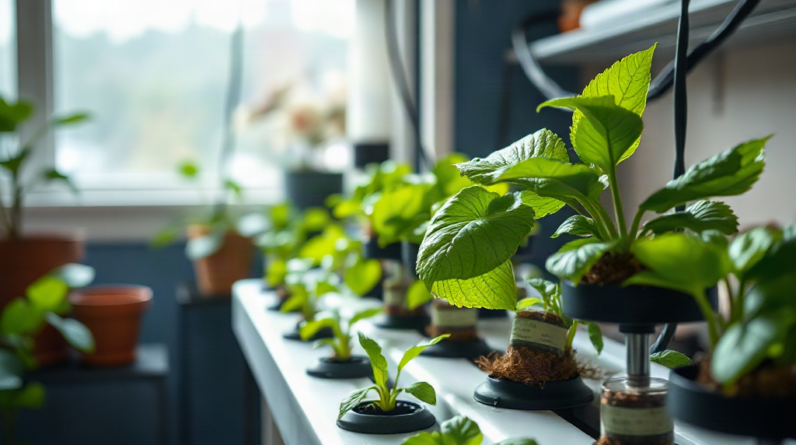
When starting your indoor hydroponic herb garden, it’s crucial to understand the components involved, such as the growing medium, nutrient solution, and lighting requirements. Many beginners assume they can simply add water and seeds, but careful attention to these elements is vital for success. Mistakes such as over-fertilizing or inadequate light can hinder growth and lead to poor results.
Moreover, selecting the right herbs for hydroponic growth is essential. Some herbs, like basil and cilantro, thrive in hydroponic systems, while others may not perform as well. Understanding the specific needs of each herb can significantly impact your garden’s productivity and health.
Choosing the Right Hydroponic System
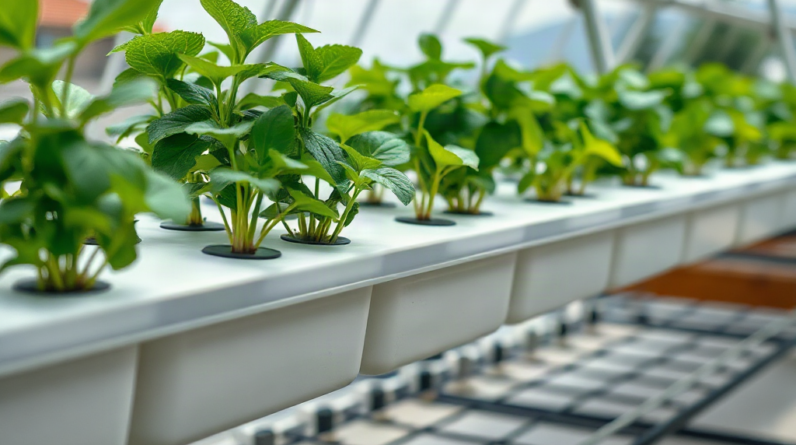
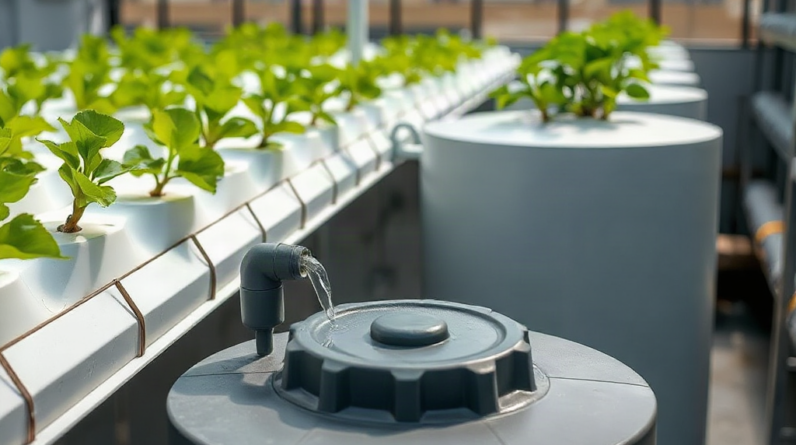
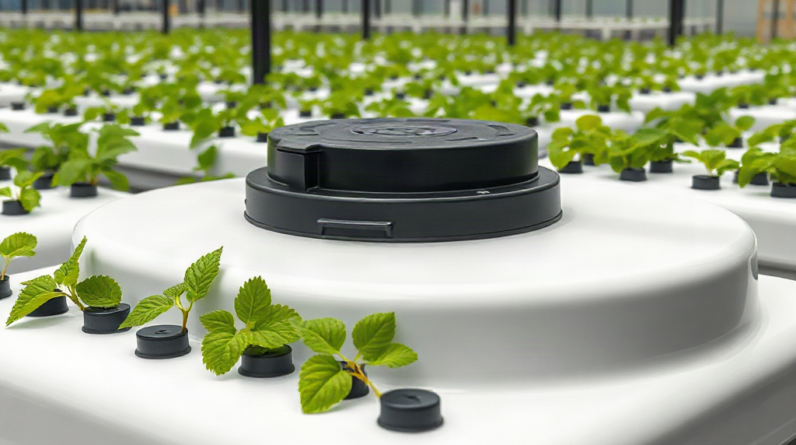
Selecting the appropriate hydroponic system is fundamental for a successful indoor herb garden. There are several systems available, including Nutrient Film Technique (NFT), Deep Water Culture (DWC), and Ebb and Flow. Each system has its own advantages and challenges. For instance, NFT allows for continuous nutrient flow, making it efficient for fast-growing herbs.
When deciding which system to use, consider your available space, budget, and the types of herbs you wish to grow. Beginners may benefit from simpler systems like DWC, which require less technical knowledge and are easier to manage. Additionally, ensure that your chosen system can accommodate the growth of various herbs, as some may require more space or specific environmental conditions.
Prioritize systems that offer ease of maintenance and scalability, allowing you to expand your garden as you gain confidence and experience. Always review user experiences and guides specific to the system you select to avoid common pitfalls.
Essential Nutrients for Hydroponic Herbs
Nutrient management is crucial in hydroponics, as plants rely entirely on the nutrient solution for growth. Essential macronutrients include nitrogen, phosphorus, and potassium, while micronutrients like calcium, magnesium, and iron are also vital. These nutrients support various plant functions, from photosynthesis to root development.
Utilizing a balanced hydroponic nutrient solution is key to ensuring healthy growth. Many commercial solutions are available, but it’s important to follow the manufacturer’s instructions regarding dilution and application frequency. Over-fertilizing can lead to nutrient burn, significantly impacting herb quality.
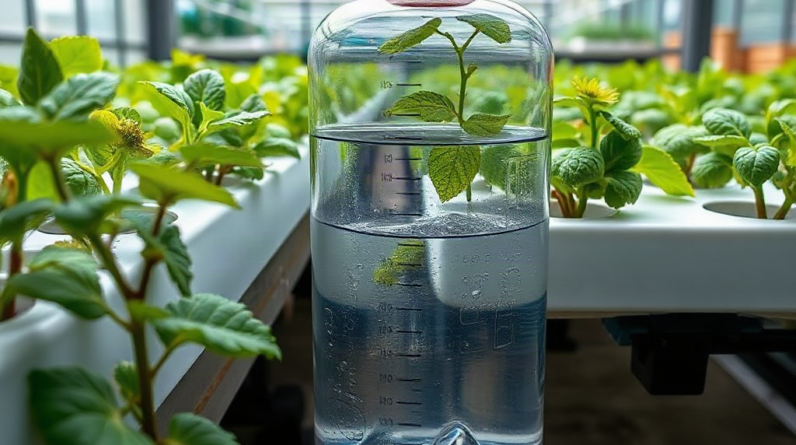
Regularly monitor the pH and electrical conductivity (EC) of your nutrient solution. Maintaining the ideal pH level (typically between 5.5 and 6.5) ensures optimal nutrient uptake. Additionally, adjusting nutrient concentrations based on plant growth stages can enhance yields and flavor profiles.
Lighting Requirements for Indoor Growth
Proper lighting is essential for an indoor hydroponic herb garden, as it directly affects photosynthesis and growth rates. While natural sunlight can be beneficial, many indoor gardeners opt for artificial grow lights, which provide a consistent light source regardless of external conditions.
LED grow lights are popular due to their energy efficiency and spectrum control, allowing you to customize light for different growth stages. Aim for a light cycle of 12-16 hours per day to mimic natural conditions. Position lights at an appropriate distance from the plants to prevent heat stress and ensure adequate light penetration.
Keep in mind that different herbs have varying light requirements. Research the specific needs of the herbs you are growing to optimize their growth potential. Also, be aware of signs of light deficiency, such as leggy growth or yellowing leaves, and adjust your lighting setup accordingly.
Common Mistakes to Avoid
Even experienced gardeners can make mistakes when setting up an indoor hydroponic herb garden. One common error is neglecting to monitor environmental conditions, such as humidity and temperature. Herbs thrive in specific ranges, and fluctuations can stress plants, leading to poor growth or disease.
Additionally, many beginners underestimate the importance of airflow. Proper ventilation helps prevent mold and mildew, which can be detrimental to herb health. Use fans to promote air circulation, especially in closed spaces. Furthermore, don’t overlook the need for regular maintenance, including cleaning the system and checking for algae growth.
Prioritize learning from others’ experiences. Engage with online communities or forums to share insights and troubleshoot issues. Staying informed about best practices can significantly enhance your hydroponic gardening journey.
Further Reading
For additional insights on hydroponic gardening, consider exploring the following resources:
Authoritative Sources
- Hydroponics: Basics and Techniques
hydroponics.comThis resource provides comprehensive information about various hydroponic systems and their applications
- Urban Farming: Growing Herbs Indoors
urbanfarms.comLearn about urban farming techniques, specifically tailored for small spaces and indoor gardens
- Plant Nutrition Essentials
plantnutrition.comA detailed overview of essential nutrients for optimal plant growth and health
Frequently Asked Questions
What herbs can I grow in a hydroponic system?
You can grow a variety of herbs in a hydroponic system, including basil, mint, parsley, cilantro, and chives. These herbs typically thrive in nutrient-rich water solutions.
How often should I change the nutrient solution?
It’s advisable to change the nutrient solution every two to three weeks to prevent nutrient imbalances and ensure optimal plant growth.
Do I need special equipment for hydroponics?
Yes, hydroponics requires specific equipment such as a pump, growing containers, lights, and nutrient solutions. The type of equipment may vary depending on the hydroponic system you choose.
Can I use tap water for my hydroponic garden?
Tap water can be used, but it’s essential to check its pH and chlorine levels. Filtering or letting it sit for 24 hours can help remove chlorine before use.
What is the best light for growing herbs indoors?
LED grow lights are considered the best option for indoor herb gardens due to their energy efficiency and ability to provide the necessary light spectrum for plant growth.
Conclusion
Creating an indoor hydroponic herb garden offers a unique opportunity to cultivate fresh herbs all year round. By understanding the essential components such as system selection, nutrient management, and lighting, you can avoid common pitfalls and maximize your garden’s productivity. Prioritize learning about the specific needs of your chosen herbs and maintain an optimal environment for growth. With careful planning and execution, your indoor garden can thrive, providing you with a continuous supply of fresh herbs for your culinary adventures.
Related Content
- The Most Efficient Way to Feed Your Family
- The Most Effective Indoor Gardening Solution
- How Difficult is it to Build a Hydroponic Gardening System?
- How to Address Environmental Stress in Hydroponic Plants: Identifying Causes and Implementing Solutions
- How to Manage Root Health for Crop Productivity: Checks, Causes, and Recovery Steps