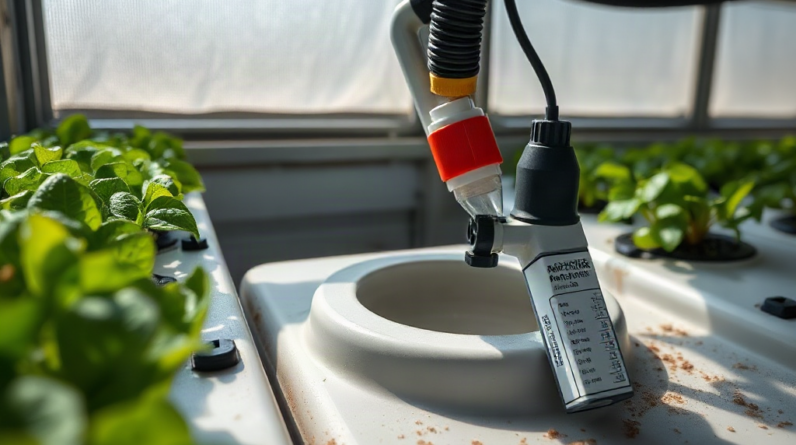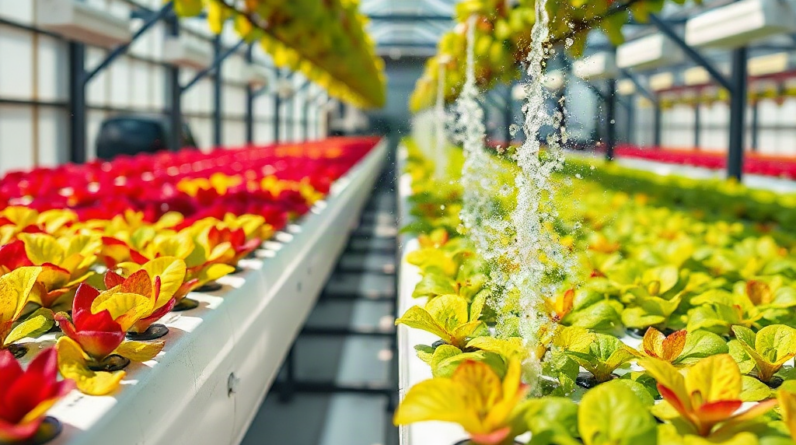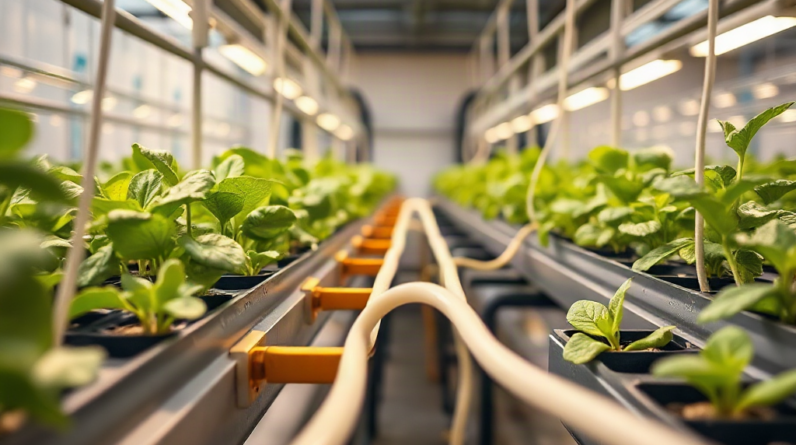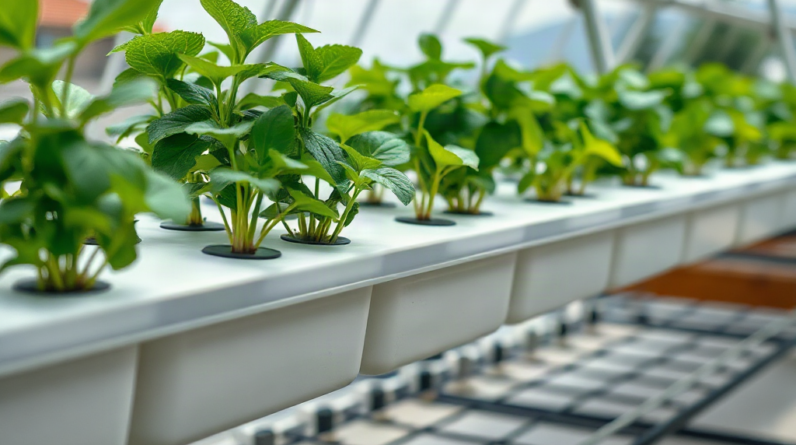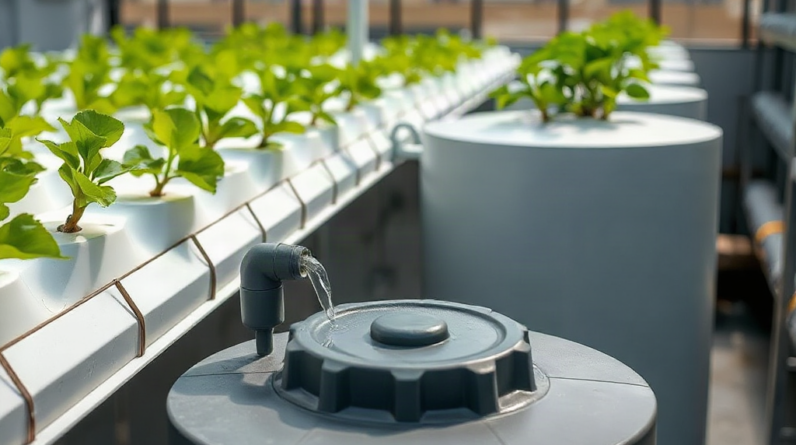

When setting up a hydroponic system, it’s crucial to select the right type based on your available space and plant preferences. There are several systems, such as nutrient film technique (NFT), deep water culture (DWC), and aeroponics, each with its own benefits. Additionally, understanding the specific nutrient requirements for your plants is vital, as different species have varying needs. A common mistake is neglecting water quality and pH levels, which can drastically affect plant health.
Another important consideration is the light source. Most hydroponic plants require a specific light spectrum for optimal growth, especially if you’re growing indoors. LED grow lights are a popular choice due to their efficiency and adjustable settings. Temperature and humidity control also play significant roles in plant health, so investing in a reliable thermometer and hygrometer is recommended.
Choosing the Right Hydroponic System
To successfully implement a hydroponic farming system at home, selecting the appropriate type is crucial. Options like nutrient film technique (NFT), deep water culture (DWC), and aeroponics each have unique advantages. NFT involves a thin film of nutrient solution running over the roots, promoting oxygen absorption. DWC, on the other hand, suspends plants in a nutrient solution, allowing roots to grow directly in water. Aeroponics uses mist to deliver nutrients, which can be highly efficient. Understanding the characteristics of each system can help you make an informed decision based on your available space and desired plant types.
Real-world constraints such as budget, space, and the types of plants you wish to grow should guide your choice. For instance, if you’re limited in space, a vertical aeroponic system might be ideal. Conversely, if you want to grow larger plants, a DWC setup may be better. Always consider how much time you can dedicate to maintenance, as some systems require more hands-on involvement than others.
Many beginners overlook the importance of system maintenance, which can lead to plant failure. Regular monitoring of water levels, nutrient concentrations, and system cleanliness is essential. Prioritize choosing a system that aligns with your lifestyle for sustainable gardening.
Essential Nutrients for Hydroponic Plants
Nutrients are the backbone of a successful hydroponic farming system at home. Unlike traditional soil gardening, where nutrients are absorbed from the earth, hydroponic plants rely entirely on nutrient solutions. Key nutrients include nitrogen, phosphorus, potassium, calcium, magnesium, and trace elements like iron and manganese. These elements contribute to various plant functions, including growth, flowering, and fruiting.
Understanding the nutrient requirements of your specific plants is crucial. Different plants absorb nutrients at varying rates and in different quantities, which can affect growth outcomes. For example, leafy greens like lettuce may require higher nitrogen levels, while fruiting plants like tomatoes need more potassium. Regularly testing your nutrient solution can help you maintain the right balance.
A common pitfall is over-fertilization, which can lead to nutrient burn and plant stress. It’s essential to follow guidelines specific to the plants you’re growing and adjust nutrient concentrations based on growth stages. Monitoring plant health closely will help you detect deficiencies or excesses early.
Lighting Requirements for Optimal Growth
Light plays a pivotal role in the success of a hydroponic farming system at home. Plants require specific wavelengths of light for photosynthesis, and inadequate lighting can hinder growth. Most indoor hydroponic setups utilize LED grow lights, which are energy-efficient and provide the necessary light spectrum for plant development.
When selecting lights, consider the type of plants you are growing and their light requirements. For instance, leafy greens typically need around 12-16 hours of light per day, while fruiting plants may require more. Positioning lights at the correct distance from plants is also vital; too far away can limit growth, while too close can cause leaf burn.
Many growers underestimate the importance of light duration and intensity. Regularly adjusting light schedules based on plant growth stages can lead to better yields. Keep in mind that factors such as room temperature and humidity can also impact how effectively plants utilize light.
Common Mistakes to Avoid in Hydroponics
Despite its advantages, home hydroponic farming can be fraught with challenges. Common mistakes include neglecting water quality, failing to monitor pH levels, and using incorrect nutrient ratios. Water quality is critical; contaminants can harm plant health and growth rates.
Another frequent error is inconsistent monitoring of environmental conditions. Factors such as temperature, humidity, and light intensity should be regularly checked to ensure optimal growth conditions. A lack of attention to these variables can lead to stunted growth or plant diseases.
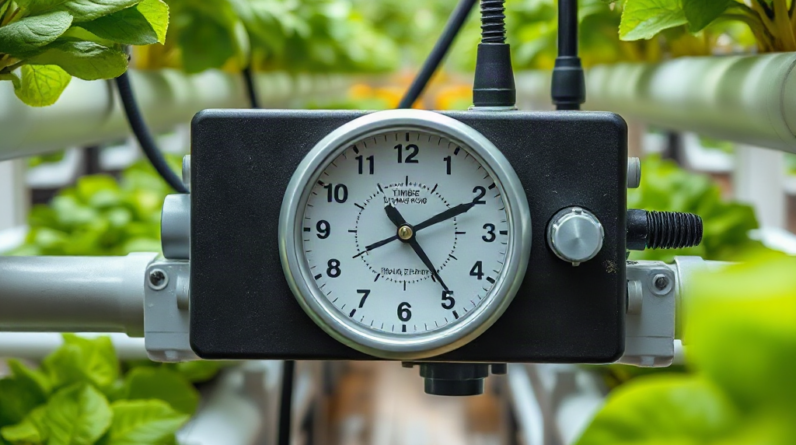
Many beginners also underestimate the time commitment required for hydroponic systems. Regular maintenance, including cleaning and nutrient management, is essential for success. Setting a schedule for these tasks can help you stay on track and avoid common pitfalls.
Further Reading
Authoritative Sources
- Hydroponics Basics
hydroponics.comA comprehensive resource on hydroponics, covering types, techniques, and best practices for home setups
- Nutrient Solutions for Hydroponics
gardeningknowhow.comDetailed information on nutrient requirements and solutions tailored for hydroponic systems
- Lighting for Hydroponics
maximumyield.comInsights into the best lighting options for hydroponic growth and how to optimize light conditions
- Common Hydroponic Mistakes
farmersalmanac.comA guide highlighting typical errors made in hydroponic gardening and how to avoid them
Frequently Asked Questions
What is the best hydroponic system for beginners?
The deep water culture (DWC) system is often recommended for beginners due to its simplicity and effectiveness.
How often should I change the nutrient solution?
It’s advisable to change the nutrient solution every 1-2 weeks to maintain optimal nutrient levels and prevent buildup.
Can I grow fruits in a hydroponic system?
Yes, many fruits, such as strawberries and tomatoes, can thrive in a hydroponic system when provided with the right care and conditions.
What is the ideal pH for hydroponic systems?
The ideal pH range for most hydroponic systems is between 5.5 and 6.5, which allows for optimal nutrient absorption.
Do I need special lights for hydroponics?
Yes, using full-spectrum LED grow lights is recommended to provide the necessary light wavelengths for plant growth.
Conclusion
Implementing a hydroponic farming system at home can transform your gardening experience, offering fresh produce year-round in a compact space. To succeed, focus on choosing the right system, understanding plant nutrient needs, and maintaining proper lighting and environmental conditions. Avoid common pitfalls by regularly monitoring and adjusting your setup. By prioritizing these elements, you can enjoy a thriving hydroponic garden that meets your culinary needs and enhances your home environment.
Related Content
- Hydroponic Germination Techniques: Effective Methods for Healthy Seedling Growth
- Creating an Optimal Growing Environment for Hydroponics
- Enhance Your Hydroponic Crop Flavor Naturally
- How to Choose the Best Hydroponic Setup for Vegetables: Key Factors and Essential Equipment
- Hydroponic Planter System: Key Benefits and Essential Setup Steps