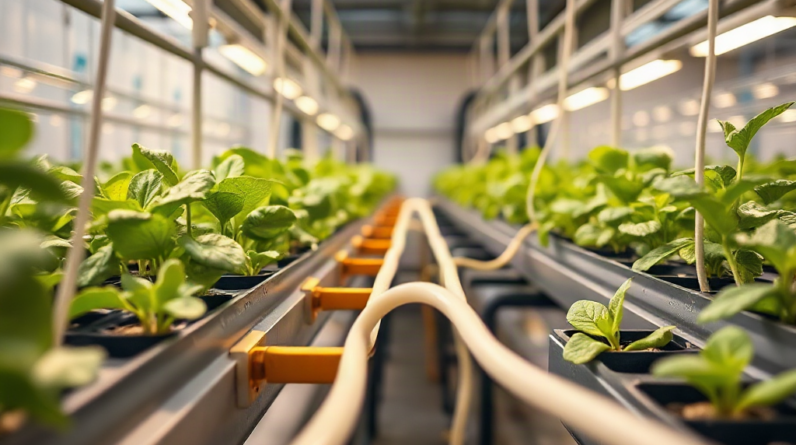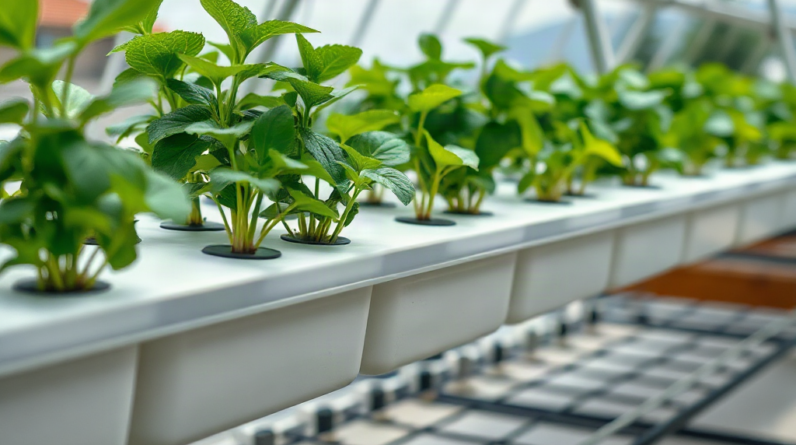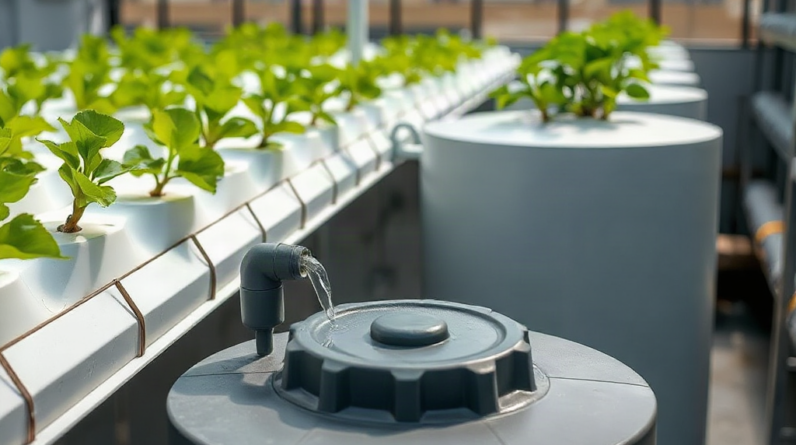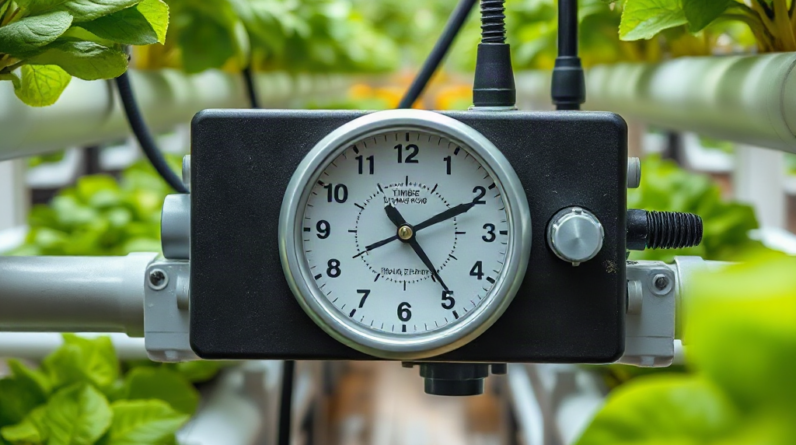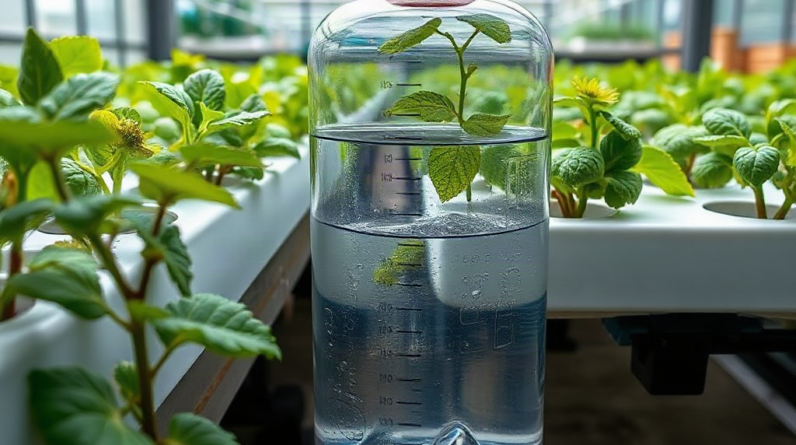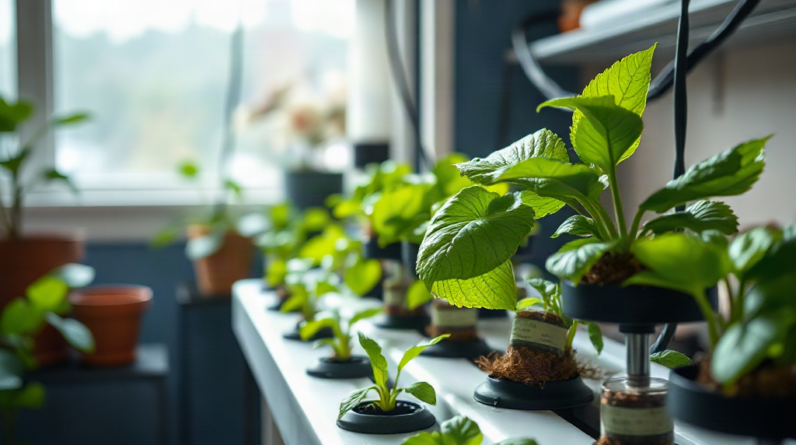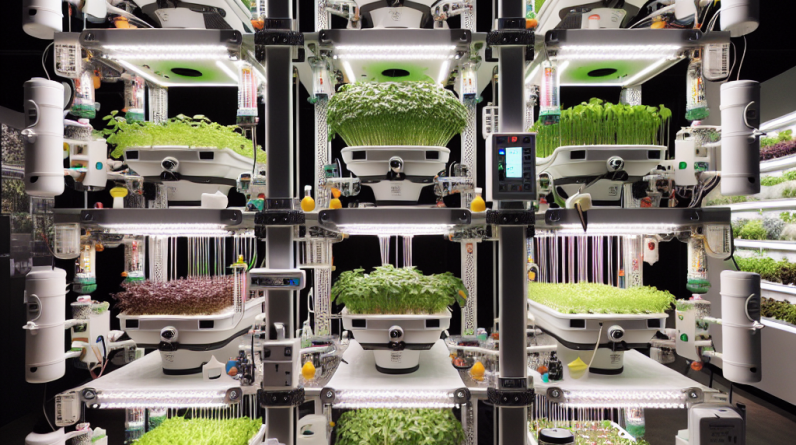
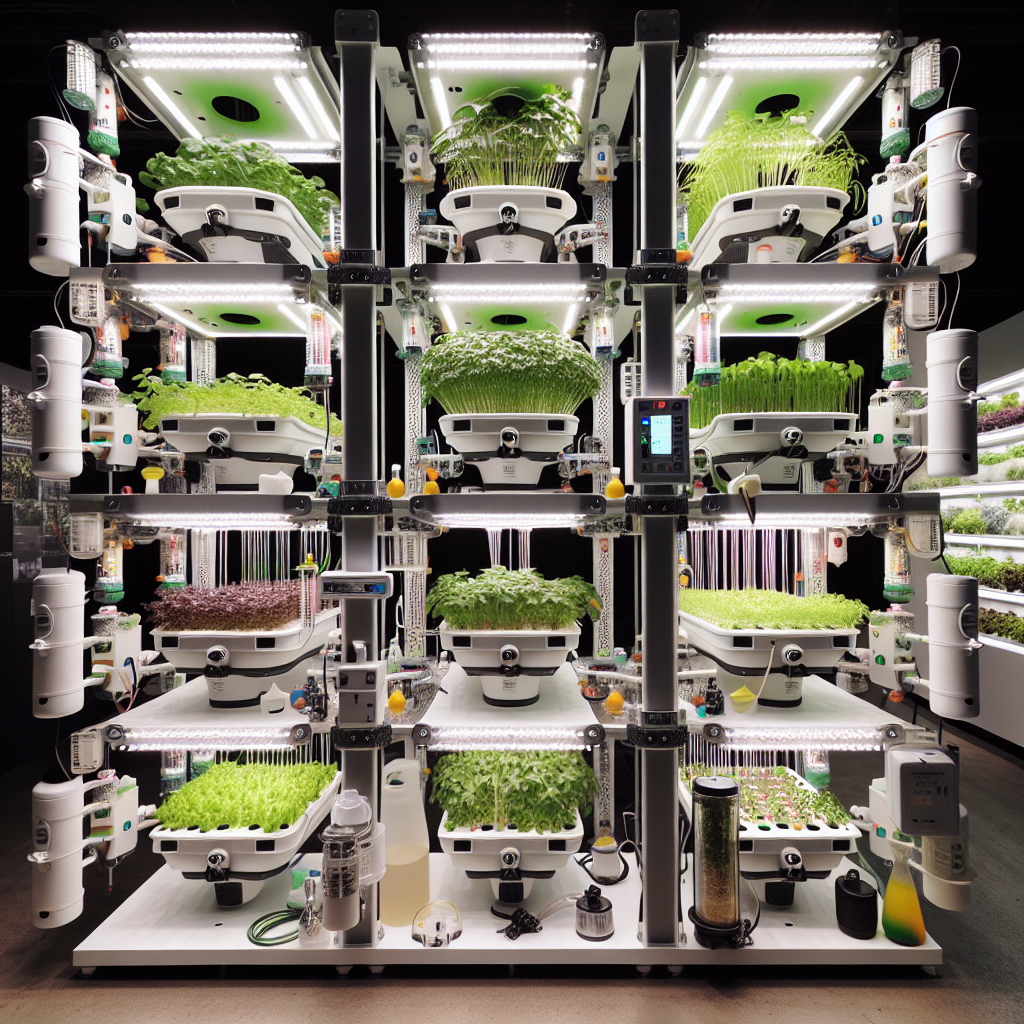
Understanding the dynamics of your hydroponic water reservoir can significantly affect your crop yield. Key factors to consider include the type of hydroponic system in use, the plants being grown, and environmental conditions like temperature and light. Each element plays a role in how well nutrients are absorbed by the plants. For instance, if the water temperature is too high or too low, it can hinder nutrient uptake, leading to stunted growth or nutrient deficiencies.
Common mistakes in managing a hydroponic water reservoir include neglecting regular water changes and failing to monitor nutrient levels. Over time, the concentration of salts and minerals can build up, leading to toxicity for plants. Therefore, it’s essential to establish a routine for checking nutrient levels and changing the water to maintain a healthy growing environment.
Choosing the Right Reservoir Size
Selecting the appropriate size for your hydroponic water reservoir is critical for ensuring efficient nutrient delivery to your plants. A reservoir that is too small may require frequent refills, while an overly large one can become cumbersome and harder to manage. The size should accommodate your plant type, growth stage, and overall system design.
Consider the water consumption rates of your plants and the frequency of nutrient changes when determining reservoir size. Additionally, larger reservoirs can help maintain temperature stability, which is vital for nutrient absorption. However, they also require more space and can complicate maintenance routines.
Many growers often overlook calculating the water needs based on plant growth stages. For example, seedlings require significantly less water than mature plants. Therefore, it’s advisable to adjust your reservoir size as your plants grow, ensuring that you have the right balance for optimal growth.
Maintaining Optimal Water Conditions
Water conditions such as pH, temperature, and dissolved oxygen levels are crucial for plant health in hydroponics. The ideal pH range for most hydroponic plants is between 5.5 and 6.5. Regularly testing and adjusting pH levels can prevent nutrient lockout, where plants cannot absorb essential minerals.
Temperature also plays a significant role; water that is too warm can reduce dissolved oxygen levels, while cold water can slow down nutrient uptake. Aim to keep reservoir temperatures between 18°C and 22°C (64°F to 72°F) to promote healthy plant growth. Additionally, using air stones can enhance oxygenation, benefiting root development.
Many growers fail to realize the importance of these water conditions until problems arise. Regular monitoring with quality testing equipment can help you catch issues before they impact plant health, allowing for timely interventions.
Preventing Contamination
Contamination in a hydroponic water reservoir can lead to plant diseases and poor growth. Common contaminants include algae, bacteria, and pathogens that can thrive in nutrient-rich water. To combat this, consider using a reservoir cover to limit light exposure, which can reduce algae growth.
Regular cleaning of the reservoir and all connected components is essential for preventing contamination. Use non-toxic cleaning agents and ensure that all surfaces are thoroughly rinsed before refilling. Additionally, implement a sterilization routine, particularly after a harvest, to reset the system for the next crop cycle.
Ignoring contamination risks can result in crop failures and significant losses. By proactively managing cleanliness and using preventative measures, you can maintain a healthy hydroponic environment that supports vigorous plant growth.
Monitoring Nutrient Levels
Accurate monitoring of nutrient levels in your hydroponic water reservoir is vital for optimizing plant growth. Nutrient solutions can degrade over time, leading to imbalances that affect plant health. Regularly testing your nutrient solution with EC (electrical conductivity) meters can provide insights into nutrient concentration.
Understanding the specific nutrient needs of your plants at various growth stages helps in maintaining the right balance. For instance, young plants require different nutrient ratios compared to those in the flowering stage. Adjusting your nutrient solution accordingly can lead to healthier plants and better yields.
Many growers make the mistake of assuming that a one-size-fits-all approach will work for all plants. Each species may have unique requirements that necessitate tailored nutrient solutions. Conducting research and keeping detailed records of nutrient adjustments can lead to more informed decisions in future grow cycles.
Further Reading
Authoritative Sources
- Hydroponics 101
hydroponics.comThis resource provides foundational knowledge on hydroponic systems and water management
- Gardening Know How
gardeningknowhow.comA comprehensive guide to hydroponics, including tips on reservoir management
- Maximum Yield
maximumyield.comIndustry insights on hydroponic practices and nutrient management
Frequently Asked Questions
What is the ideal pH level for a hydroponic water reservoir?
The ideal pH level for most hydroponic plants is between 5.5 and 6.5 to ensure optimal nutrient absorption.
How often should I change the water in my hydroponic system?
It is recommended to change the water every 1-2 weeks, depending on nutrient levels and plant growth stage.
What temperature should the water in the reservoir be?
Maintain water temperatures between 18°C and 22°C (64°F to 72°F) for optimal plant health.
How can I prevent algae growth in my reservoir?
Covering the reservoir to block light and regularly cleaning it can help prevent algae growth.
What are the signs of nutrient deficiency in hydroponic plants?
Signs include yellowing leaves, stunted growth, and poor fruit development, indicating a need for nutrient adjustments.
Conclusion
In summary, effectively managing a hydroponic water reservoir is fundamental to successful plant growth. Key priorities include selecting the right reservoir size, maintaining optimal water conditions, preventing contamination, and monitoring nutrient levels. By being proactive and informed in your management practices, you can enhance plant health and achieve better yields. Regular testing and adjustments, along with a focus on cleanliness, will ensure that your hydroponic system thrives.
Related Content
- Indoor Hydroponic Greenhouse: Essential Techniques for Optimal Plant Growth
- The Ultimate Guide to hydroponic root system: 10 Effective Strategies for 2025
- Addressing Water Hardness Issues in Hydroponic Systems: Causes, Effects, and Solutions
- What Makes Hydroponic Systems the Future of Gardening?
- Understanding Light Spectrums in Hydroponics