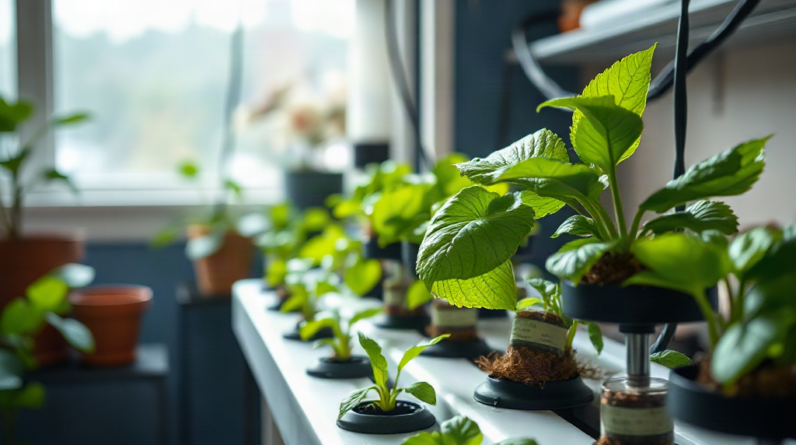
When starting your hydroponic garden, consider the specific needs of the plants you wish to grow. Factors such as light, nutrients, and water quality are crucial for success. Many beginners overlook the importance of pH levels and nutrient solutions, which can lead to stunted growth or plant diseases. Prioritizing these elements ensures that your hydroponic system operates effectively and yields healthy crops.
Common mistakes include overwatering or underwatering, neglecting to monitor nutrient levels, and failing to provide adequate light. Understanding the balance between these factors is essential for successful hydroponic gardening. For instance, using LED grow lights can help mimic natural sunlight, especially in indoor setups where natural light is limited. Additionally, investing in quality nutrient solutions tailored to hydroponic systems will support vigorous plant growth.
Selecting the Right Hydroponic System
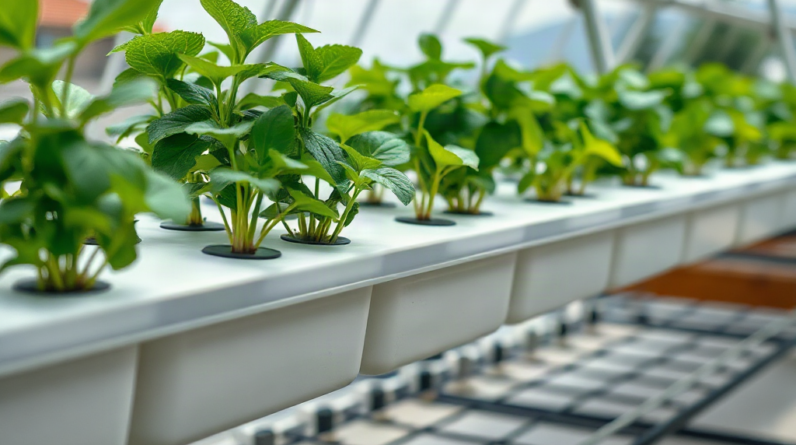
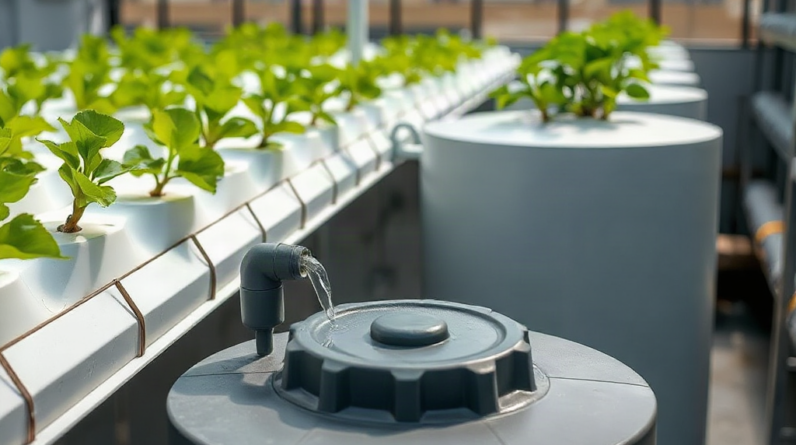
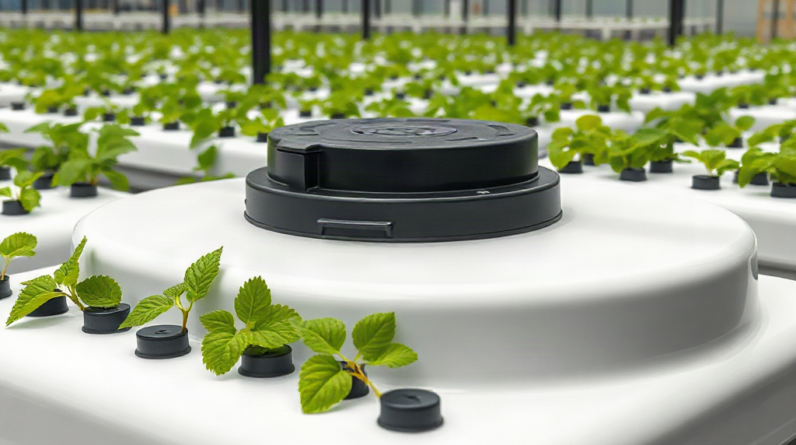
Choosing the right hydroponic system is crucial for your gardening success. Systems like nutrient film technique (NFT) and aeroponics are popular for their efficiency and minimal space requirements. NFT involves a thin film of nutrient solution flowing over the roots, while aeroponics suspends roots in air, misting them with nutrients. Both systems can yield impressive results, but they require careful monitoring and maintenance.
When selecting a system, consider your available space, budget, and the types of plants you want to grow. For instance, if you’re limited on space, a vertical garden approach can maximize your growing area. Additionally, evaluate the initial setup costs and ongoing maintenance requirements to ensure sustainability.
It’s also important to evaluate the learning curve associated with each system. Beginners may find simpler systems like deep water culture to be more approachable, while experienced gardeners might prefer the complexity and yield potential of aeroponics. Assessing your comfort level will help you choose a suitable method for your hydroponic gardening journey.
Choosing Plants for Hydroponics
Not all plants thrive in hydroponic systems, so selecting the right varieties is essential. Leafy greens such as lettuce, spinach, and herbs like basil and cilantro are excellent choices for beginners due to their fast growth and adaptability. These plants are generally forgiving and can tolerate minor fluctuations in nutrient levels.
As you gain confidence, you can experiment with fruiting plants like tomatoes and peppers, which may require more careful nutrient management and support structures. The growth conditions for these plants can vary significantly, so understanding their specific needs is critical.
Additionally, consider the growth cycle of the plants you choose. Fast-growing varieties can provide quicker results and boost your confidence as a hydroponic gardener. Researching and selecting plants that match your skill level and available resources will enhance your gardening experience.
Common Mistakes to Avoid
Hydroponic gardening can be rewarding, but there are common pitfalls that can hinder your success. Overwatering is a frequent issue, especially for beginners who may not yet understand their system’s water needs. It’s crucial to ensure that your plants receive adequate moisture without waterlogging the roots.
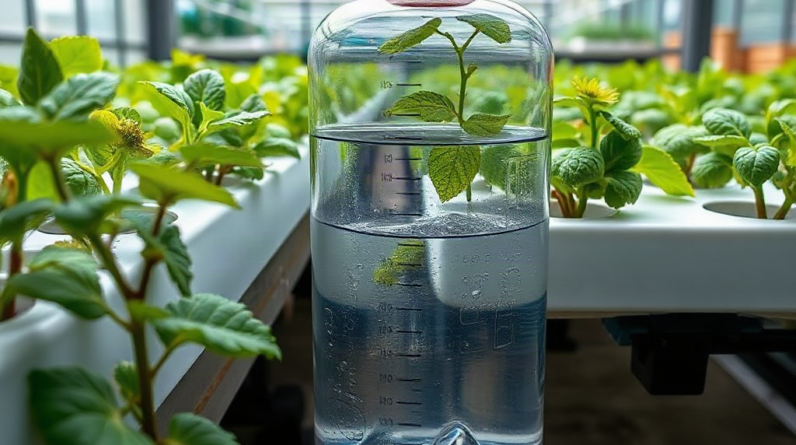
Another mistake is neglecting to monitor nutrient levels, which can lead to nutrient deficiencies or toxicities. Regularly checking the pH and electrical conductivity (EC) of your nutrient solution will help you maintain optimal conditions for plant health. Additionally, adjusting your nutrient solution according to the growth stage of your plants is vital for achieving the best results.
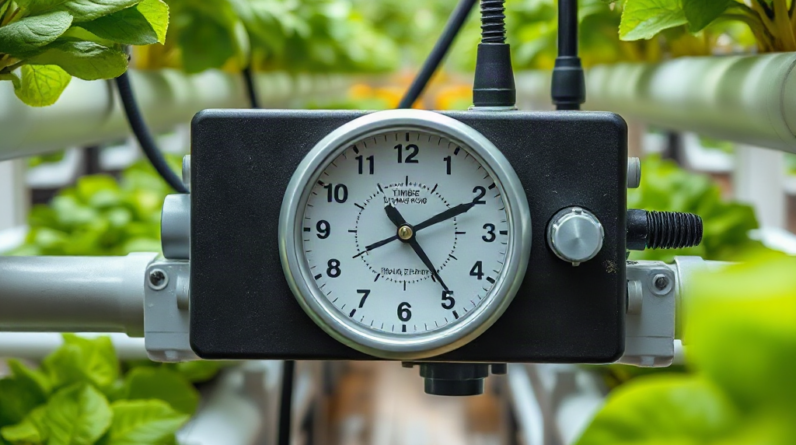
Lastly, be cautious about light exposure. Insufficient light can stunt growth, while too much can cause leaf burn. Utilizing grow lights and timers can help you create an ideal light schedule for your plants, ensuring they thrive.
Further Reading
Authoritative Sources
- MedlinePlus
medlineplus.govConsumer-friendly medical and health information from the U.S. National Library of Medicine.
- National Institutes of Health
nih.govResearch-based health information and links to authoritative medical resources.
- Centers for Disease Control and Prevention
cdc.govOfficial public health guidance, prevention resources, and topic-specific recommendations.
- Mayo Clinic
mayoclinic.orgTrusted clinical guidance, symptom explainers, and treatment overviews.
- World Health Organization
who.intGlobal health guidance, fact sheets, and evidence-based public health information.
Frequently Asked Questions
What is the easiest plant to grow hydroponically?
Lettuce is one of the easiest plants to grow hydroponically due to its fast growth and adaptability to various systems.
How often should I change the water in my hydroponic system?
It’s recommended to change the water every two weeks to prevent nutrient imbalance and algae growth.
Can I use tap water for hydroponics?
Yes, but be sure to check the water’s pH and chlorine levels, as these can negatively affect plant growth.
What nutrients do hydroponic plants need?
Hydroponic plants require a balanced nutrient solution containing essential elements like nitrogen, phosphorus, potassium, calcium, and magnesium.
Is hydroponic gardening expensive to start?
Initial costs can vary widely, but basic systems can be set up for relatively low investment, especially with DIY options.
Conclusion
Easy hydroponic gardening ideas offer a unique way to grow fresh produce at home, making gardening accessible to anyone, regardless of space constraints. By selecting the right system, choosing suitable plants, and avoiding common mistakes, you can create a thriving hydroponic garden. Remember to monitor your nutrient levels, light exposure, and water quality to ensure the best results. Start small, learn as you go, and soon you’ll enjoy the fruits of your labor right from your own home garden.
Related Content
- Boost Your Health with Hydroponic Nutrition
- Indoor Hydroponic Herb Garden: Essential Plants and Growth Techniques
- What Causes Slow Growth in Hydroponic Crops: Key Environmental and Nutritional Factors
- The Ultimate Guide to Hydroponic Greenhouse Setup in 2025: Top Strategies & Tips
- Start Seeds Successfully in Your Hydroponic Setup